


Opioids comprise a class of drugs derived from substances found in the opium poppy plant. As per the Mayo Clinic, these drugs are used as pain-relieving medication, usually taken by prescription from a healthcare provider.
They may be manufactured using opium or poppy plants, as is the case with morphine. Some drugs like Actiq and Fentora are synthetic and designed in a laboratory. These medicines generally move through the bloodstream and attach themselves to opioid receptors in brain cells.
As a result, pain sensation is blocked, and the patient experiences a high level of pleasure. Pain medications are often prescribed to people of all ages and conditions. In this article, we will exclusively focus on opioid use and pregnancy. Let’s examine the risks, treatment options, and alternative pain management techniques.
Why Opioids Are Prescribed to Pregnant Women
Are pregnant women prescribed opioids? Not until the pain is severe. The most common pain reliever is acetaminophen, which is a non-opioid analgesic. Studies have revealed that around two-thirds of expecting mothers are prescribed this medicine during the nine months.
Women with liver problems or allergies are prohibited from taking this medicine. Now, acetaminophen may be combined with opioids in cases of severe pain.
During the early stages of pregnancy, the use of strong opioids is generally not needed for managing pain.
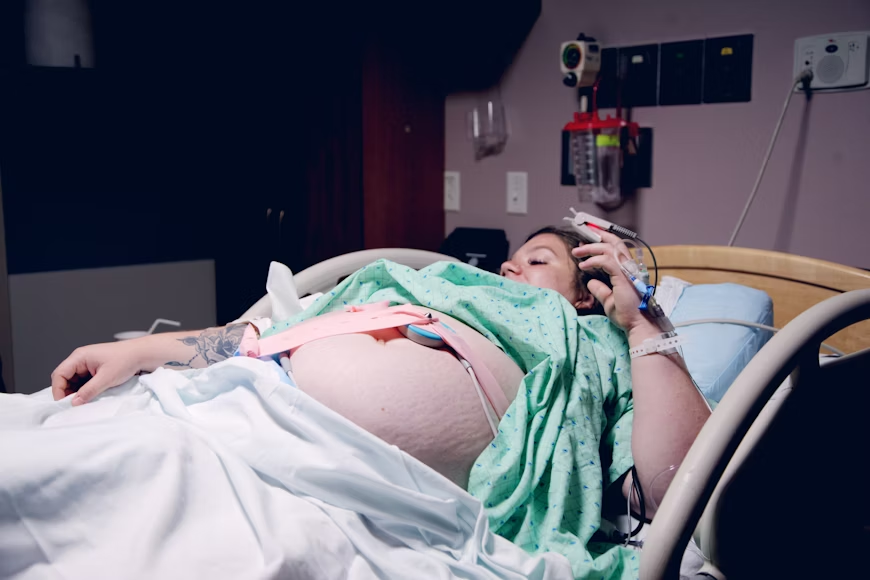
However, some women experience very severe pain during labor, including intense contractions and cramps that can last for an extended period. In such cases, stronger pain relief methods, including opioids, may become necessary to manage the discomfort effectively.
An example would be the well-known epidural, which contains a combination of an opioid and a local anesthetic.
When the Prescription Becomes the Problem
Now, Yale Medicine states that doctors only use a weak dosage of the strong opioid to ensure only a little enters the mother’s bloodstream. However, this prescription can sometimes become a problem. This usually happens if the mother must consume opioids early on in her pregnancy journey.
The Centers for Disease Control and Prevention (CDC) found that opioid use among pregnant women has only increased. This is associated with several negative outcomes, with the risk of addiction being only the tip of the iceberg.
Besides ending up with substance abuse, expecting mothers may face the following risks of opioid consumption –
- Stillbirth or preterm birth
- Maternal mortality
- Neonatal opioid withdrawal syndrome
- Specific birth defects
- Poor fetal growth
This means the mother and her baby are both at risk when opioids enter the scene. The fourth is a condition in which the newborn displays signs of opioid withdrawal. These may include –
- Diaper rash
- Diarrhea or vomiting
- Tremors or shaking
- Frequent sucking
- High-pitched, frequent, and excessive crying
Besides the opioids prescribed during pregnancy, the risk lies with illegal ones. Some mothers may already be consuming illicit opioids like heroin secretly. This will also lead to the above-mentioned adverse health outcomes.
The Risk of Breaking the Pattern of Opioid Use
Even if a mother knows that opioids can be risky for herself and her baby, substance abuse is difficult to overcome. The withdrawal symptoms can be too strong to resist the drug just one more time.
Treatment options are available, and their primary goal is to stabilize the mother. This means managing withdrawal symptoms and reducing cravings. According to the American Addiction Centers, buprenorphine tends to bind with opioid receptors, which helps with both.
This is why one of the major medications used to treat opioid use disorder is Suboxone. It is a combination medicine of buprenorphine and naloxone approved by the Food and Drug Administration (FDA) in 2002.
Is it effective against opioid abuse? Yes, but its safety is a questionable matter. The medication has been criticized for causing oral health problems. According to TruLaw, patients of opioid use disorder treated with Suboxone have sustained injuries like gum disease, tooth decay, and infection, among others.
Patients have had to undergo expensive surgeries and treatments in order to reverse the damage. They have filed the Suboxone lawsuit against the medication’s manufacturer, Indivior.
The pharmaceutical company may have been heavily focused on mental health disorders, but it was aware of the risks and did not disclose them. Now, this is a perilous situation for a patient. It may even seem like the treatment is more harmful than the condition it was designed to manage.
A Harm Reduction Pregnancy Toolkit
Now, the most important question is what can be done. For those already hooked on opioids, it would be best to look for Suboxone alternatives. Other medications like naltrexone and methadone are also effective and may have milder side effects like skin rash, nausea, and headaches.
As for those who are prescribed opioids during their pregnancy journey, the following harm reduction or precautionary steps are needed –
- The mother should consume opioids only as prescribed by their healthcare provider
- Never consume any more than what has been prescribed
- If any other doctor has prescribed some other opioids, it is important to disclose the same
- Opioids should not be taken with alcohol or any other drugs
- Do not take any other patient’s prescription opioids without first consulting with your healthcare provider
In recent years, opioid use during pregnancy has increased dramatically. They are helpful in pain management and should not be harmful when consumed as per the prescription.
However, lines may blur fast. It is essential to trust the healthcare provider’s discretion and stick to their advice. Extra doses may do more damage than good.
Top Photo: Image credit