
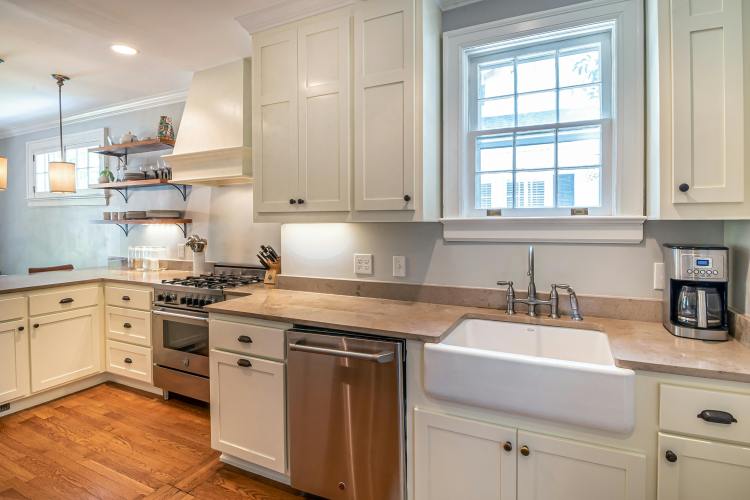
Have you ever walked into your kitchen and felt that something looked tired? Not broken, not dysfunctional — just dated, heavy, or slightly out of sync with the way you live now?
If yes, then you should know that the kitchens evolve with us. They witness rushed weekday breakfasts, slow Sunday cooking rituals, and countless conversations that unfold over countertops. When cabinets begin to feel like a limitation rather than a foundation, it is often a sign that the space is ready for renewal. Upgrading kitchen cabinets is not merely a cosmetic decision; it is about improving flow, storage, and the overall atmosphere of your home.
That being said, if you are still unsure whether it is time for a change, these signs can help you decide.
1. Your Storage Feels Inefficient — No Matter How Much You Organize
At first, it seems like a simple clutter issue. You rearrange shelves, buy drawer dividers, and declutter seasonal cookware. Yet the frustration returns. This usually happens because the internal configuration itself is working against you:
- Deep cabinets hide items in the back that rarely get used.
- Shelves are fixed at impractical heights.
- Corner units waste valuable space.
- Drawers lack proper compartments for modern kitchen tools.
When cabinetry design does not align with how you cook and store, organization hacks only go so far. By contrast, modern cabinet systems are designed with functionality in mind — pull-out trays, soft-close drawers, vertical dividers, and optimized corner storage. If you constantly adjust your habits to suit your cabinets instead of the other way around, it may be time to upgrade.
2. Your Home’s Updates Are Making Your Kitchen Cabinets Look Outdated
Sometimes, the clearest sign that it is time to upgrade your kitchen cabinets is when small updates begin to highlight bigger inconsistencies. You repaint the walls, replace lighting, or upgrade flooring — and suddenly the old cabinetry feels visually disconnected from everything else.
At this stage, the decision is no longer just about storage or wear. It becomes about harmony. When the kitchen serves as the visual anchor of the home, mismatched cabinetry can disrupt overall continuity.
Moreover, in situations like this, many homeowners begin looking beyond a single-room upgrade and start thinking in terms of coordinated design. That is where working with a Whole-house Cabinet Supplier becomes a practical advantage rather than just a sourcing choice.
Instead of treating the kitchen as an isolated project, trusted companies like BFP approach cabinetry as part of a broader design ecosystem, offering coordinated solutions that extend into other living spaces when needed.
When improvements are viewed holistically, upgrading kitchen cabinets does not feel like a single-room fix. It feels like aligning the entire home with a refreshed vision.
3. Wear and Tear Is Becoming Impossible to Ignore
Daily use leaves marks. Over time, those marks accumulate into visible deterioration that affects both appearance and performance. Common signs of structural fatigue include:
- Doors no longer close properly.
- Hinges creak or loosen.
- Surfaces show peeling laminate or chipped paint.
- Moisture damage appears near sinks and dishwashers.
While minor repairs can extend cabinet life temporarily, structural issues often signal deeper wear. Warped panels or weakened joints compromise durability. Beyond appearance, this can impact hygiene and safety.
Investing in higher-quality construction ensures that cabinets withstand humidity, temperature fluctuations, and daily handling. Well-built cabinetry does not just look better — it performs better over time, offering stability that quick fixes cannot provide.
4. The Style No Longer Reflects Your Home’s Personality
Design trends shift, but more importantly, personal taste evolves. What felt warm and inviting ten years ago may now feel heavy or visually outdated. You may start noticing subtle design disconnects, such as:
- Dark wood finishes can make smaller kitchens feel enclosed.
- Ornate detailing may clash with a modern aesthetic.
- Yellowed surfaces subtly age the entire room.
- Hardware styles may no longer match updated appliances or fixtures.
Cabinetry occupies a significant portion of visual space in any kitchen. When the cabinets look dated, the entire room feels older — even if countertops and appliances have been upgraded. Refreshing cabinetry can instantly transform the atmosphere from cramped to open, from traditional to contemporary, or from purely functional to intentionally designed.
Aesthetic alignment matters because the kitchen is no longer hidden away; it is often the most social space in the house.
Conclusion
Kitchen cabinets quietly shape how a space functions and feels. When storage becomes inefficient, style feels outdated, wear becomes visible, or your lifestyle outgrows the existing layout, those signals should not be ignored.
Upgrading cabinetry is both a practical and aesthetic decision — one that improves daily routines while elevating the atmosphere of the home. By recognizing the signs early and planning thoughtfully, you can transform your kitchen into a space that feels intentional, efficient, and aligned with how you truly live.
Top Photo: Image Credit
Leave a Reply