
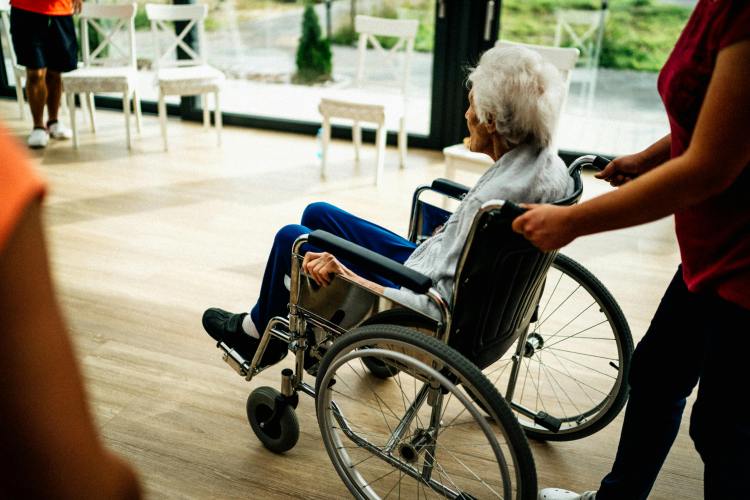
Entrusting a loved one to a nursing home is an act of faith. You expect they’ll be kept safe, clean and cared for with dignity. In most cases, this happens – reputable nursing homes enforce rigorous staff vetting, transparent reporting and regular inspections to ensure the highest standard of care. However, unfortunately not all nursing homes are run this way – and this can lead to abuse and neglect being allowed to take place.
The consequences of this can be serious. By recognising the early signs of abuse and neglect, you can step in before harm gets worse. This post details some of the signs to look out for.
Unexplained injuries and frequent ‘accidents’
Bruises, cuts, fractures or sprains that staff can’t clearly explain are all major red flags. While older adults are more prone to such injuries caused by accidents, you need to look out for certain warnings. Has there been no change in care plan despite repeated ‘falls’? Are injuries in unusual places such as inner arms or around the neck? Do staff stories as to how injuries occurred seem vague or inconsistent?
Make sure to document what you see and ask for incident reports. Also consider how your loved one behaves around certain members of staff – if they seem fearful or withdrawn, or they flinch, this could be a bad sign.
Bedsores (pressure ulcers)
Bedsores develop when someone isn’t repositioned regularly in a bed or a chair. Early stage sores may look like red or darkened patches of skin that don’t fade when pressed. More advanced sores can turn into wounds.
While not all pressure ulcers are the result of neglect, they are often preventable with proper care including turning schedules and good nutrition. In severe cases, infections and fatal complications from bed sores can occur. Any sign of a pressure ulcer should prompt immediate medical review and there should be evidence that staff have put in place a treatment/prevention plan to stop ulcers getting worse or more sores developing.
Malnutrition and dehydration
Weight loss, sunken eyes, dry mouth and loose fitting clothes can be signs that your loved one isn’t getting enough food or fluids. Other clues may include constant thirst and dry lips, confusion and dizziness or meals remaining untouched.
Getting some patients to eat and drink enough can be a challenge, but a good facility will take every measure it can. Ask to see weight charts and nutrition notes, and make sure your loved one is getting the assistance they need (some residents need help eating and drinking and should not be left alone with meals they cannot manage).
Poor hygiene and unsanitary conditions
This one is obvious, but worth noting. When visiting your loved one, there should not be strong odors of urine or faeces, or evidence of dirty bedding. Their hair should be clean, their teeth should be brushed and their nails should be trimmed. The environment should also feel clean – overflowing bins, unattended spillages and general grime are signs that a facility is not keeping on top of basic cleaning, and be worth addressing.
What to do if you’re worried
Trust your instincts. If something feels wrong, take the following steps:
- Document what you see (dates, conversations and photos if appropriate)
- Raise concerns with senior staff at the home
- Request a care plan review and clear action steps
- If you believe your loved one is in immediate danger, don’t be afraid to contact emergency services or call out a doctor.
It may be possible to quickly get your loved one transported to a new facility or seek legal action if there is clear evidence of abuse or neglect. Start by asking the right questions and being observant in order to protect your loved one.
Top Photo: Image Credit
Leave a Reply