
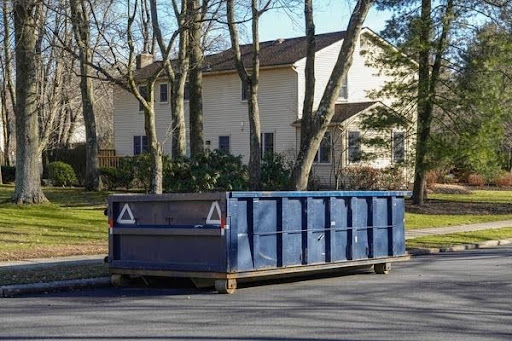
If you are clearing out a home, remodeling a room, or handling a large cleanup project, renting a dumpster is often the easiest way to manage the waste. Studio City is a lively Los Angeles neighborhood known for its residential streets, local businesses, and convenient location in the San Fernando Valley.
Its mix of homes, apartments, and commercial properties means residents may take on many different cleanup and renovation projects. For these jobs, dumpster rentals in Studio City can provide a practical way to collect and remove a large amount of waste.
If you have never rented a dumpster before, the process may seem confusing at first. Knowing what size you need, what you can throw away, where the container can be placed, and how long you can keep it will help you make a better choice.
Understand What a Dumpster Rental Is
A dumpster rental gives you a temporary container for collecting waste during a project. The container is delivered to your property and picked up when you are finished.
Unlike regular household trash service, a rental dumpster is designed to handle larger amounts of material. This makes it useful for home cleanouts, remodeling projects, landscaping work, construction jobs, and other situations that create more waste than your normal trash service can handle.
Choose the Right Dumpster Size
One of the first decisions you will need to make is the size of the container.
Smaller dumpsters may work for a garage cleanout or a limited amount of household junk. Larger containers are more appropriate for major renovations, construction debris, or large property cleanouts.
It is usually better to estimate your waste carefully before ordering. Choosing a container that is too small could mean needing another pickup or rental, while an unnecessarily large container may cost more than you need to spend.
If you are unsure, ask the rental company which size is appropriate for your project.
Know What You Can Throw Away
Not every type of waste can go into a dumpster.
Common materials accepted by rental companies may include household junk, furniture, construction debris, cardboard, and certain types of yard waste. However, rules vary by company and location.
Items such as chemicals, paint, batteries, tires, certain electronics, and other hazardous materials may require special disposal.
Before your dumpster arrives, ask the provider for a list of prohibited materials. This can prevent problems when it is time for the container to be picked up.
Think About Where the Dumpster Will Go
Placement is another important part of the rental process.
The dumpster should be placed somewhere that is easy for the delivery truck to access and does not block important areas of your property.
A driveway is often a convenient option for residential projects, but you should consider the available space, overhead clearance, and surrounding obstacles.
If you need to place the dumpster on a public street or another area outside your private property, check whether a permit is required.
Planning the location ahead of time can make delivery much easier.
Protect Your Property
A dumpster can be heavy, especially when filled with waste.
If you plan to place it on a driveway or another paved surface, ask the rental company whether you need to take additional steps to protect the area.
Avoid placing heavy materials outside the container or overfilling it. Waste should remain within the container’s limits so it can be transported safely.
Know How Long You Can Keep It
Dumpster rentals are generally provided for a specific period.
The rental company should tell you how long the container can remain at your property and whether additional days are available if your project takes longer.
Try to estimate your project timeline before booking. If you expect delays, ask about extension fees and availability ahead of time.
This is especially useful for remodeling projects, which can sometimes take longer than expected.
Load the Dumpster Properly
How you load the container matters.
Place heavier materials toward the bottom and distribute the weight rather than putting everything in one area. Break down large items when possible to make better use of the available space.
Do not fill the dumpster above the allowed level. An overloaded container can create safety problems during pickup and transportation.
Following the provider’s loading instructions can help avoid additional charges or delays.
A Dumpster Can Make Cleanup Easier
For larger projects, having a dedicated waste container can keep debris from piling up around your property.
A Studio City dumpster can give homeowners, contractors, landlords, and business owners a convenient place to collect project waste in one location.
Instead of making repeated trips to dispose of materials, you can focus on completing the work and arrange for the container to be removed when the project is finished.
Key Takeaways
- Dumpster rentals are useful for large cleanouts, renovations, landscaping, and construction projects.
- Choose a container size based on the amount and type of waste you expect.
- Ask about prohibited materials before loading the dumpster.
- Plan the placement area before delivery.
- Check whether a permit is needed if the dumpster will be placed on a public street.
- Avoid overfilling the container.
- Distribute heavy materials evenly for safer transportation.
- Understand the rental period and possible extension fees.
- Ask about pricing and additional charges before booking.
- Proper planning can make your cleanup project much easier to manage.
Leave a Reply