
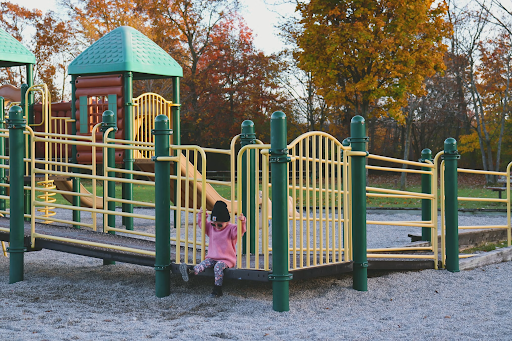
If your child can spend hours on a screen but seems to run out of things to do the moment they step outside, it can be hard to know how to get them interested. Yet once they get going, children can find plenty to keep them busy, whether that’s climbing, chasing, digging, collecting, or making up games with whatever they find.
Outdoor play gives children room to move and explore without everything being planned for them. Along the way, they’re building physical strength, confidence, social skills, and a stronger connection with the world around them.
Nature’s Classroom for Kids
If you think about it, your backyard is like an awesome classroom, packed with endless chances for hands-on learning. Every rock flipped over, every leaf looked at closely, and every bug watched is a mini science lesson. This direct interaction with nature helps kids get curious and feel a sense of wonder. They can learn about cause and effect when they see a seed they planted grow into a flower. They can discover more about living things by watching squirrels bury nuts or birds build nests.
This kind of learning is super engaging because it centers on what the child finds interesting. It lets them use all their senses, for example, when touching the rough bark of a tree, smelling fresh-cut grass, and hearing the rustle of leaves. These sensory experiences are key to brain development and help build the connections that support more complex learning later on.
Boosting Creativity Outdoors
When kids are outside, they’re the bosses of their own fun. A stick can easily become a magic wand, a sword, or a fishing pole. A pile of leaves can turn into a cozy fort or a mountain to conquer. Unlike toys with a single purpose, the wide-open nature of the outdoors really sparks imagination and creativity.
This kind of free playtime is vital for learning how to solve problems and be flexible. Kids have to invent their own games, work out rules with friends, and adjust when things don’t go exactly as planned. This whole process builds resilience and confidence. Research shows how important outdoor play is in early childhood for developing essential creative and thinking skills that will stick with them for life.
Maintaining a Beautiful Yard for Active Play
When the lawn is mowed, gardens are neat, and paths are clear, it becomes a more welcoming and fun place for the whole family. Regular maintenance prevents areas from becoming overgrown, where kids could trip or pests might hide.
Keeping up with a yard can be a lot of work, especially if you have a big one. For homeowners who want to offer a perfect and safe environment without spending all their free time on upkeep, professional landscape care for estate properties can be a fantastic solution. It ensures the outdoor space remains beautiful, healthy, and a safe haven for countless hours of imaginative play and family memories.
Safe Spaces for Exploration
Before you send your kids out to explore, make sure their play area is safe. A secure space encourages freedom and independence because you’ll feel much better letting them roam. Start by walking around your yard and looking for anything that could be a problem. This might include wobbly patio furniture, uncovered pools, or thorny bushes in spots where kids play a lot.
For younger children, set clear and simple boundaries so they know how far they can go. With older kids, chat about neighborhood safety and where they’re allowed to venture. A safe and clearly defined outdoor space gives kids the confidence to explore and test their limits in a healthy way.
Encourage Outdoor Enjoyment
Encouraging kids to play outdoors teaches them to be adaptable and can help with child development. Making this activity a regular part of your family’s routine can also create lasting habits and happy memories. The next time your kids say they’re bored, the best answer might just be to open the back door and let them discover the adventures waiting outside.
Top Photo: Image Credit Unsplash
Leave a Reply