
Owning a home is rewarding, but the upkeep can feel endless. There is always something that needs attention, and the list rarely gets shorter on its own. A loose handle, a slow drain, a patch of paint that has started to lift, a filter that has not been changed in months. None of these things seem urgent on any given day, which is exactly why they pile up.
The good news is that home maintenance does not have to be overwhelming or costly. With a little structure and a few sensible habits, most homeowners can cut their yearly repair spending and spend far less time worrying about what might break next.
Where Small Problems Quietly Become Large Ones
Every home eventually reaches a point where one part of it starts asking for more attention than the rest. In most households, that part is the cooling equipment, which works harder every year as it ages and pushes energy bills higher long before it stops running altogether.
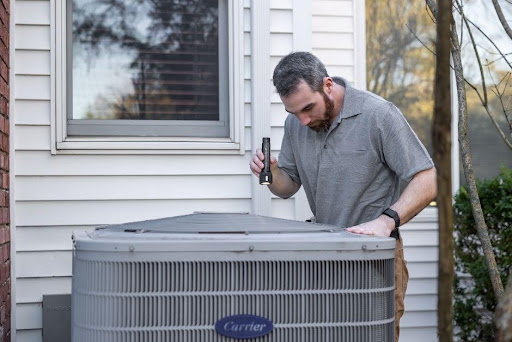
Having the system assessed honestly by a qualified technician, instead of patching the same faults again and again, is what stops the spending from turning into a permanent drain. Hiring a company that provides professional cooling services early in the year gives homeowners a straight answer on whether continued repairs or a full replacement is the cheaper path.
Start with a Written Plan Instead of a Mental List
Most people carry their maintenance list around in their head, which is why so much of it never gets done. Writing it down changes that immediately. Take an hour, walk through your home room by room, and note everything that needs doing. Put the urgent items at the top, the useful items in the middle, and the cosmetic items at the bottom. A written list takes the pressure off your memory and lets you see how much work is actually waiting, which is almost always less than it feels like.
Keep the list somewhere you will see it. A note on the refrigerator, a shared file on your phone, or a simple notebook in a kitchen drawer all work equally well. The format matters far less than the habit of updating it.
Group Your Tasks by Season
Spreading work across the year is one of the easiest ways to make upkeep feel lighter. Gutters and roof checks belong in autumn. Window seals, weather stripping, and drafts are worth handling before winter. Spring is the natural time for exterior paint, fencing, and the garden. Summer suits larger projects that need dry weather and open windows.
When tasks are tied to a season, you stop making decisions about what to do next. The calendar decides for you, and the work arrives in small batches rather than all at once. This approach also means you are preparing for problems rather than reacting to them, which is where most of the savings come from.
Set Aside Money Before You Need It
A useful habit is to treat home repairs as a regular expense rather than an emergency. Putting a modest amount aside every month into a separate account removes the panic from unexpected failures. When something does break, the money is already there, and you are free to choose the right fix rather than the cheapest one available that week.
This single change also improves the quality of your decisions. Homeowners who are short on cash tend to accept temporary patches, and temporary patches almost always have to be redone. Having a reserve lets you fix things once.
Keep Records of What You Have Already Done
A simple maintenance log is surprisingly powerful. Note the date of each repair, who carried it out, what it cost, and any warranty attached to it. Keep receipts and manuals in one folder, physical or digital.
The benefits show up quickly. You stop paying twice for work still under warranty. You can see patterns, such as the same fixture failing repeatedly, which tells you it is time for a permanent solution. If you ever sell the property, a clear record of care is genuine evidence of a well-kept home, and it supports your asking price.
Choose Durability over the Cheapest Option
The lowest price is rarely the lowest cost. Inexpensive fixtures, thin materials, and bargain components tend to fail sooner and take labor charges with them every time they are replaced. Paying somewhat more once for a quality part, installed properly, usually works out cheaper across a few years.
The same logic applies to the people you hire. A properly licensed, insured contractor who gives you a clear written quote is worth more than the cheapest number you were given over the phone. Ask for references, confirm credentials, and be cautious of anyone who pressures you into deciding immediately.
Walk Through Your Home Every Few Months
A short inspection every quarter catches most problems while they are still small. Look for water stains on ceilings, damp patches under sinks, cracks around window frames, doors that have started to stick, and any change in how something sounds or smells. Check that smoke alarms work and that drains run freely.
None of this takes long, and it is the single most effective habit for keeping costs down. Water damage, in particular, is cheap to prevent and expensive to repair. A stain noticed early is a small job. The same stain ignored for a year can mean replacing a ceiling.
Making Maintenance Part of Ordinary Life
The homeowners who spend the least on repairs are not the ones with the newest houses or the biggest budgets. They are the ones who do small things consistently. A list that gets updated, a season that dictates the work, a little money set aside, a walk through the house every few months, and a few trusted names in the phone.
None of it is demanding on any single day, and together it turns home maintenance from a source of anxiety into an ordinary part of running a household.
Leave a Reply