
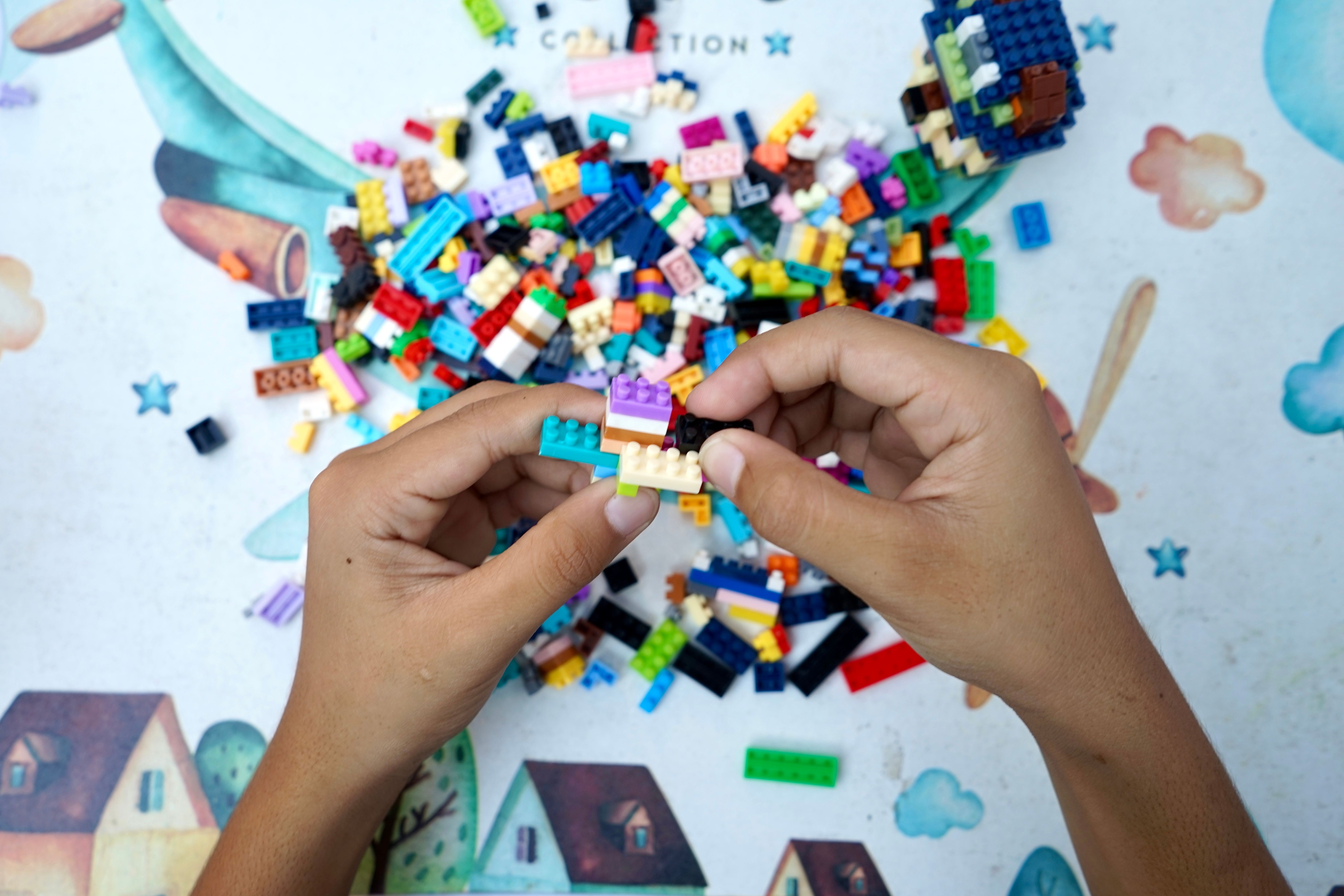
A building set can be a satisfying gift when its theme and challenge suit the person opening the box. The same set can also disappoint if the instructions are too demanding, the pieces are too small for a younger child, or the finished model leaves little room for the kind of play they enjoy. A familiar brand name is only the beginning of the decision. You still need to consider age guidance, interests, available space and whether the contents match the listing. This guide explains how to choose a set for a child or a family, what to check when buying a used box and how to make the building experience enjoyable after it arrives.
Start with the builder, not the box
Think about what the child likes to make and do. Some enjoy following a detailed plan until a model is complete. Others want a quick build they can take apart and turn into something new. A set themed around vehicles, animals or buildings may catch their attention, but the theme is not enough if the construction style is frustrating. Ask what they already build with and which parts of the activity keep them engaged.
Also consider how much help an adult can realistically provide. Building together can be a pleasant activity, but a gift that always requires supervision may not suit a family hoping for independent play. Older builders may prefer a more intricate display project. If several children will share the set, think about whether it offers enough room for them to build or play side by side without constantly waiting for a particular piece.
Browsing Lego listings can help you compare themes, box sizes and the type of building experience on offer. Check the exact set name or number and ask whether the product is an official branded set or a compatible building toy, since similar terms may appear across listings. Clear photographs of the actual box and contents are more useful than a generic promotional image.
Follow the age guidance and warnings
Look for the recommended age and any safety warnings on the packaging of the exact set. These markings help you judge both the intended building challenge and whether small parts are present. Do not assume that a colourful design is suitable for a very young child. If younger children are in the home, consider where the pieces will be used and stored so loose parts are not left within their reach.
Age guidance is a starting point rather than a promise that every child of that age will enjoy the same model. A child with building experience may be ready for a more involved project, while another may prefer larger pieces and a shorter sequence. Put safety first: follow the product’s warnings, supervise play where needed and choose a different toy if the pieces are too small for the intended child.
Match the challenge to attention and experience
Piece count can suggest the scale of a project, but it does not tell the whole story. Repeated shapes, tiny details and unfamiliar building techniques can make two similar-sized boxes feel very different. Look at the finished model and, if possible, sample instruction pages. Would the builder enjoy concentrating on a long sequence, or would several shorter builds feel more rewarding?
For a first experience, a simpler set can help someone learn how pieces connect and how to follow visual steps. A confident builder may enjoy a model that requires more patience and gives a strong sense of progress. Avoid treating difficulty as a test of intelligence. The aim is to create a challenge that feels inviting, with enough success along the way to keep the person interested.
Decide between display and open-ended play
Some sets are designed to look impressive on a shelf once completed. Others are easier to rebuild, move around and combine with existing pieces. Think about what will happen after the first build. A display model may delight a collector, while a child who loves making new scenes might prefer a versatile collection of bricks or a set with several ways to play.
Consider the durability of the finished design for the intended use. Small decorative details can be satisfying to assemble but may fall off during energetic play. A model that is easy to repair can be less frustrating when pieces come apart. If the child already owns building toys, ask whether the new set can join their current play, while checking compatibility rather than assuming all brick brands fit together equally well.
Check exactly what is included
A listing should make clear whether you are buying a sealed set, an opened but complete box or a collection of loose pieces. Ask about instructions, figures, special elements and any parts needed to complete the pictured model. The box image alone may not show whether accessories are included. If the set is sold without packaging, request photographs of the pieces laid out clearly and ask how the seller identified it.
For a particular branded set, the set number is especially useful. It helps you compare the seller’s description with the intended contents and locate the correct instructions. Do not assume that a claim of “complete” has been checked piece by piece. Ask whether anything is missing, substituted or damaged, and agree on the condition before purchase. A transparent description matters more than an untouched-looking box.
Inspect a used set carefully
Used building sets can provide plenty of enjoyment if the pieces are clean and in good condition. Look for cracks, bent elements, heavy discolouration or marks that suggest rough storage. Check that moving parts still work and that printed or stickered pieces are in the condition you expect. A few ordinary signs of play may not matter, but a missing connector can stop a model from being finished.
If the seller cannot confirm every piece, decide whether you would still enjoy the set as a collection of bricks rather than as the advertised model. Ask how it has been stored and whether parts from other sets have been mixed in. Keep small pieces contained during inspection, especially if young children are nearby. Agree on return conditions when possible before taking an incomplete or uncertain set home.
Plan for building space and storage
A build is easier when pieces can be spread out without being lost. Clear a table, use shallow trays for small elements and keep the instructions where they can be seen. For a larger project, consider whether it can stay undisturbed between sessions. If the only available surface must be cleared every evening, a box or tray that holds the unfinished model may make the activity less stressful.
Decide where the finished model will go. A display set needs space away from accidental knocks, while loose bricks benefit from containers that are easy for the child to open and tidy. Elaborate sorting is not essential; a simple storage system that the family will actually use is more valuable. Check the floor after play so small pieces are not left where someone might step on or pick them up.
Make the first build enjoyable
Read through the first steps together and separate pieces only as much as the builder finds helpful. If the set has numbered bags, opening them in order can keep the table manageable. Allow breaks during a long project rather than rushing to finish. A child may want to change the design halfway through, and that can be part of the enjoyment rather than a mistake.
When a step seems wrong, check the previous few steps before forcing pieces together. Encourage the builder to compare the orientation and colour of parts in the instructions. If a piece truly appears missing, keep the set details and packaging until you can investigate. For an official set, the manufacturer may provide downloadable instructions or a way to request certain missing parts, subject to its current service terms.
A quick buying checklist
- Builder: Choose a theme and challenge that suit the person’s interests and experience.
- Safety: Check the exact product’s age guidance and small-parts warnings.
- Identity: Confirm the set name or number and whether it is the branded product described.
- Contents: Ask about instructions, special pieces and any missing or substituted parts.
- Condition: Inspect used pieces and packaging rather than relying on a stock image.
- After the build: Make sure there is room for play, display and storage.
The bottom line
The right Lego set is one the builder can enjoy safely, complete with a suitable level of help and keep using afterwards. Choose around interests and experience, then verify the exact product and its condition. For children, take the age marking and small-parts warnings seriously. A thoughtful match between the builder, the set and the space available will matter more than the size of the box.
Top Photo: Image Credit
Leave a Reply