
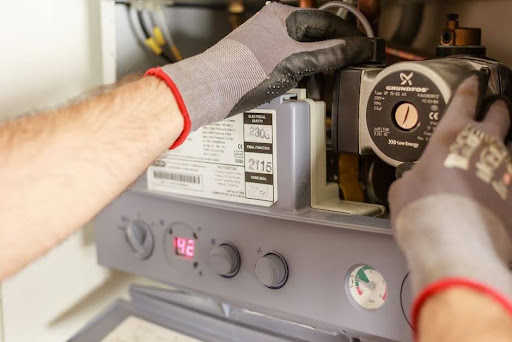
A dependable water heater rarely gets much attention until showers turn cold or a puddle appears nearby. Yet small changes in performance can reveal problems before the equipment stops working. Knowing the difference between a repairable fault and a failing tank helps homeowners protect their property and avoid rushed purchases. Unusual sounds, rusty water, inconsistent temperatures, and costs all deserve investigation. The goal is not to replace a heater at the first inconvenience, but to understand when professional assessment and planning make sense.
Notice When Hot Water Runs Out Too Soon
If a shower turns cold sooner than usual, begin by considering whether household demand has changed. Consecutive showers, added occupants, or a new appliance may simply use more hot water than the system can replenish. When consumption stays similar but performance declines, the heater deserves attention.
In storage tanks, sediment can accumulate and interfere with heating. Electric units may also have a failed heating element, while thermostats or controls can malfunction. A plumber can distinguish these causes without guessing from symptoms alone.
Keep track of how quickly hot water disappears and whether the problem affects every fixture. Those details make diagnosis easier and help prevent unnecessary replacement.
Decide Whether Repairs Still Make Financial Sense
An aging water heater is not automatically beyond repair. Service history, tank condition, fuel type, replacement-part availability, and the cost of the current fault all affect the decision. Repeated breakdowns or confirmed tank leakage may justify planning a new unit rather than continuing repairs.
Homeowners considering water heater replacement should compare the installed cost with the realistic benefits of repair. The decision should account for household demand, existing connections, energy use, and any safety or venting updates. A chosen replacement may offer dependable performance, but savings should never be promised without examining actual usage and equipment specifications.
Ask for an explanation of what failed and why the proposed solution is suitable.
Take Unfamiliar Noises Seriously
Popping, knocking, and rumbling may develop when sediment collects near a tank’s heating surfaces. As trapped water heats, it can produce sounds that were absent when the equipment was newer. Other noises may come from expanding pipes or changes in pressure.
The sound alone does not establish that a tank is about to burst. Still, noise deserves inspection, especially when accompanied by poor heating or leaks. A technician can check whether maintenance is appropriate and whether the heater has suffered deterioration.
Avoid attempting to open a pressurized tank or tamper with safety valves to investigate. The safer approach is to describe the noise, its timing, and any accompanying changes in performance.
Check Discolored Water and Visible Corrosion
Brownish hot water can signal corrosion, but the heater is not always responsible. Supply pipes, recent plumbing work, or sediment elsewhere in the system can also affect water color. Comparing hot and cold taps may help narrow the possibilities without establishing a diagnosis.
Inspect accessible connections for rust, staining, and moisture. A deteriorating sacrificial anode rod may contribute to tank corrosion, and professional inspection can determine whether it needs replacement. Rust from within a deteriorated tank is more serious and may make replacement necessary.
If water suddenly changes appearance, avoid assuming it is safe for consumption until the source is identified. Have unusual discoloration assessed promptly.
Respond Quickly to Leaks Around the Heater
Moisture around a water heater may come from condensation, a loose fitting, a relief valve, or a leaking tank. Identifying the source matters because some faults are repairable while a compromised storage tank generally requires replacement.
If water is actively leaking, avoid wet electrical equipment and contact a professional. When safe and appropriate, isolate the water supply using the shutoff. Do not block or cap a temperature-and-pressure relief valve; it is a critical safety component.
Take photographs of affected flooring or nearby belongings and arrange prompt assessment. Even a slow leak can soak surrounding materials and create a larger restoration problem if ignored.
Compare Equipment by Actual Household Needs
Water heaters differ in storage capacity, recovery rate, fuel requirements, and installation needs. A system that suits one household may leave another waiting for hot water. Tankless equipment also has flow limitations, so choosing it simply because it is compact can be a mistake.
The guidance on selecting water heaters discusses how demand and equipment characteristics influence performance. Ask installers to explain sizing assumptions, expected simultaneous use, and whether existing electrical, gas, or venting arrangements need modification.
Compare warranties and installation scope alongside the purchase price. A low initial quote can become costly when essential connections or code-related work are excluded.
Understand Efficiency Without Assuming Guaranteed Savings
Higher efficiency can reduce energy consumption, but the financial benefit depends on fuel prices, water usage, purchase price, and installation conditions. A replacement that costs substantially more may or may not recover the difference during its useful life.
The residential water-heater efficiency guidance explains how efficiency ratings and lifetime costs can inform equipment comparisons. Consider both up-front spending and projected operating expenses, using assumptions relevant to your household rather than promotional figures.
Routine maintenance may also support performance. Follow manufacturer instructions for inspections and servicing, and ask a technician whether sediment removal or anode checks apply to your specific model.
Make a Plan Before an Emergency Decides
Find the heater’s model information, installation date, and maintenance records while it is still working. Learn where the appropriate water shutoff is located, and keep contact details for a qualified plumber accessible. Watch for recurring temperature changes, new noises, discoloration, or dampness.
If replacement becomes likely, request comparable written estimates that specify the equipment, labor, removal, permits, and necessary upgrades. Clarify the expected interruption to hot water and who will explain the system’s controls after installation.
Most importantly, resist treating every inconvenience as a catastrophe. Early attention gives you time to diagnose problems, protect your home, and choose an appropriate solution before a preventable breakdown forces the decision.
Image Source: Pexels
Leave a Reply