
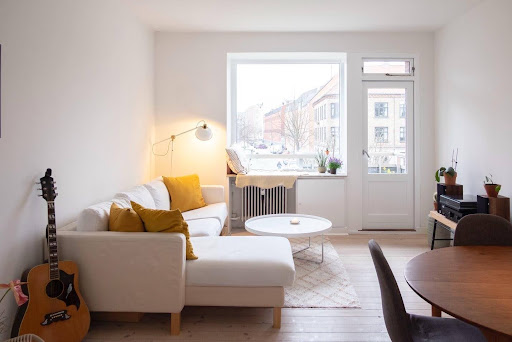
A small home can start feeling crowded quickly, especially once children, toys, school supplies, and everyday household items enter the picture. Adding square footage may not be possible, but changing how you use the space can make a noticeable difference. The goal is to improve movement, storage, and sightlines so each room feels less confined.
Give Every Area a Clear Purpose
Small spaces become cluttered when one area is expected to handle too many jobs without a plan. Decide what each part of a room needs to accomplish.
A dining area, for example, might serve as a homework station during the afternoon and return to family meals at night. Keep school materials in a nearby cabinet or rolling cart so they can be put away instead of remaining on the table.
Use the Walls for Storage
When floor space is limited, look upward. Wall-mounted shelves can hold books, baskets, toys, and household supplies without requiring another freestanding cabinet.
Hooks are useful in entryways for backpacks, coats, and bags. In children’s rooms, taller shelving can keep frequently used items within reach while placing less-used belongings higher up. Secure tall furniture and shelving appropriately, particularly in homes with young children who may climb.
Keep Sightlines Open
Too much furniture can make even an organized room feel smaller. Choose pieces according to the room’s actual dimensions rather than how much seating or storage you would ideally like.
Avoid blocking windows and major pathways. Allowing natural light to travel through a room can create a more open appearance. Mirrors placed where they reflect light can have a similar effect.
Choose Furniture That Does More
Storage ottomans, beds with drawers, nesting tables, and benches with compartments can reduce the number of individual pieces a family needs.
Renters should consider portability before buying large furniture. People comparing homes managed by different apartment rental companies may move again, so furniture that can serve several purposes can be more practical than pieces built for one specific room.
Control What Comes Into the Home
Better storage cannot compensate indefinitely for accumulating belongings. Set aside time regularly to remove outgrown children’s clothing, broken toys, duplicate kitchen items, and things nobody uses.
A small home does not have to feel restrictive. Clear pathways, vertical storage, multipurpose furniture, and regular decluttering can make limited square footage work harder. Look over the infographic below to learn more.
Top photo credit: Microsoft Stock Images

Leave a Reply