
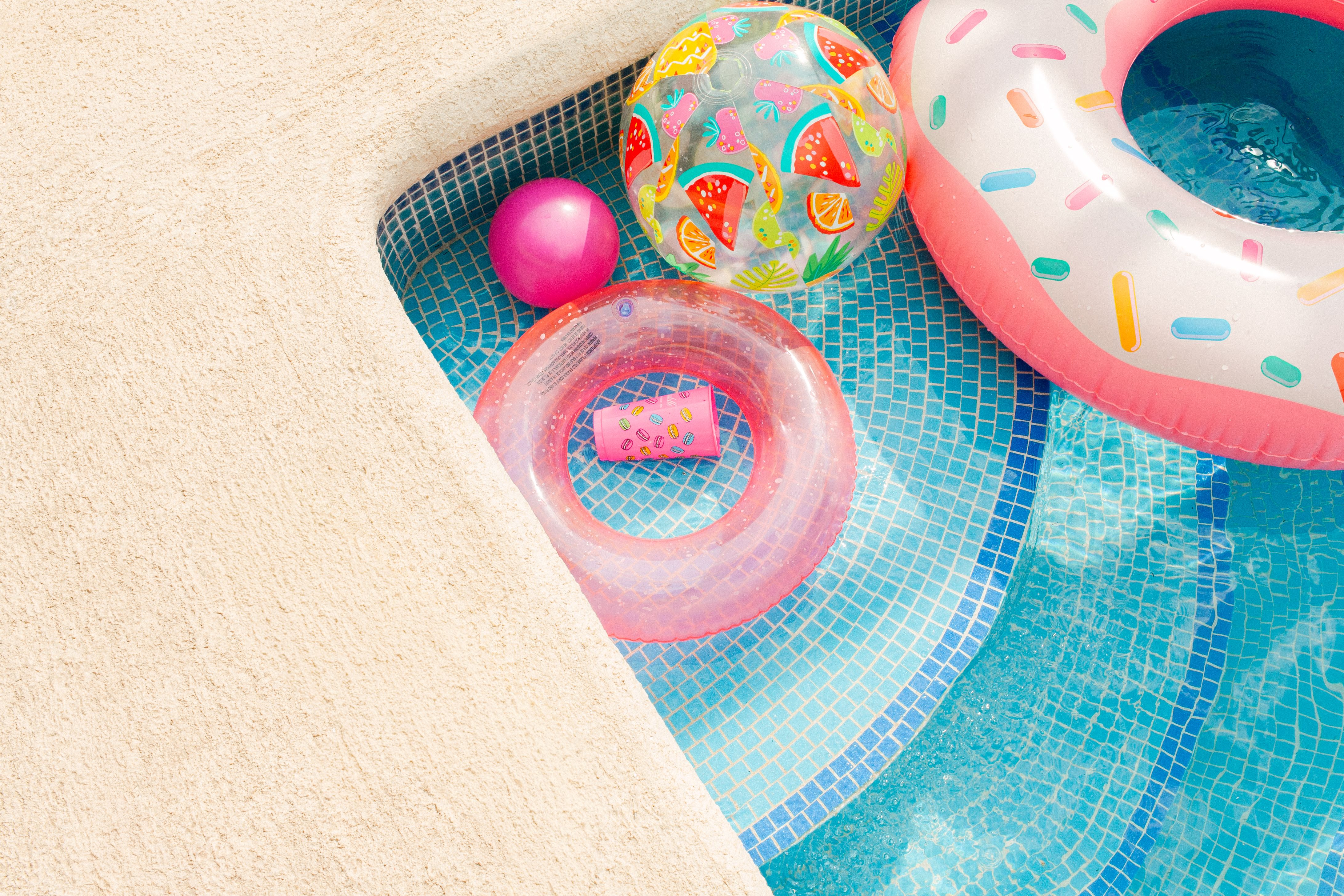
A pool party sounds like an easy way to celebrate a child’s birthday or bring friends together during the summer. Add some decorations, snacks, music, and a few water games, and the afternoon seems planned. But hosting children around a swimming pool requires more preparation than an ordinary backyard party.
From arranging proper supervision to thinking about guests who cannot swim, there are several details parents should consider before sending out invitations. A little planning can make the celebration more enjoyable for everyone and help avoid last-minute problems.
Here are some things parents often overlook when organizing a pool party for children.
1. Find Out Who Can Actually Swim
One of the first things to consider is the swimming ability of the children attending. Just because a child is comfortable playing in a pool does not mean they can swim independently.
Ask parents about their children’s swimming experience before the party. Some children may be confident swimmers, while others may have only had occasional exposure to water. A few may not know how to swim at all.
This information helps you plan activities that are appropriate for the group. It also helps you decide whether the pool’s depth and layout are suitable for the children attending.
Parents who want their children to become more comfortable and capable in the water can explore structured swimming lessons. Learning swimming skills is valuable, but lessons should never be treated as a substitute for supervision during a pool party.
2. Arrange Dedicated Water Supervision
This is one detail that should never be left to chance. Having several adults at a party does not automatically mean children are being properly supervised.
Before the event, decide which adults will be responsible for watching the pool. Assign specific people to the task rather than assuming everyone will keep an eye on the children.
Designated supervisors should stay focused on the water, avoid phone use and other distractions, and know which children are swimming. They should also be prepared to respond if a child needs help.
For younger children and inexperienced swimmers, close supervision within arm’s reach is essential. Use appropriate barriers, approved life jackets where needed, and any other safety measures recommended for the pool. Pool toys and inflatable floats should never be treated as safety equipment.
It is also sensible to have a phone nearby, know the pool’s emergency procedures, and ensure that an adult present knows how to respond to a water emergency.
3. Think About Children Who Don’t Want to Swim
Not every child will be excited about getting into the pool. Some may feel nervous around water, dislike getting their hair wet, or simply prefer other activities.
Make sure there is something for these guests to enjoy, too. Set up a shaded area with outdoor games, coloring activities, bubbles, or simple party crafts. Children who want a break from swimming can still participate without feeling left out.
This is particularly useful when the guest list includes children of different ages. Younger guests may need quieter activities, while older children may enjoy games that do not involve water.
Having alternatives also helps prevent children from feeling pressured to enter the pool just because everyone else is swimming.
4. Plan Pool Games That Suit Different Ages
Pool games can make a party more entertaining, but not every activity is appropriate for every age or swimming ability.
Simple games such as floating toy collection, water-themed trivia, or supervised splash games can work well for younger children. Older children may enjoy organized team games in an area where they can comfortably stand.
Avoid games that involve holding someone underwater, pushing, rough play, diving into shallow water, or racing in crowded areas. These activities can quickly become dangerous, even when children know how to swim.
It is also worth having a few non-water games ready. A treasure hunt, relay race on the lawn, or party challenge can keep the celebration going when children need a break from the pool.
5. Prepare a Comfortable Place to Take Breaks
Children can get tired, hungry, or overwhelmed during an active party. Make sure there is a comfortable area away from the pool where they can sit, eat, and relax.
Provide shade with umbrellas, a covered patio, or a suitable outdoor shelter. Keep towels readily available and arrange a place where children can change into dry clothes.
A shaded break area is particularly important during hot summer afternoons. Encourage children to take regular breaks, drink water, and avoid spending the entire party in direct sunlight.
Parents should also consider sunscreen, suitable clothing, and the timing of the event. An afternoon party during the hottest part of the day may require more planning than a morning gathering.
6. Don’t Forget Food and Allergies
Food is an important part of any children’s party, but serving it around a swimming pool requires a little thought.
Choose snacks that are easy to eat and do not create too much mess. Fruit, sandwiches, crackers, and individually served snacks are often practical choices. Keep food and drinks in a designated area away from the pool to avoid spills and slippery surfaces.
Before planning the menu, ask parents about food allergies and dietary restrictions. Even familiar party foods can contain ingredients that some children need to avoid.
Keep drinking water available throughout the event. Children may not always recognize when they need a break or something to drink, particularly when they are busy playing.
7. Have a Weather Backup Plan
Outdoor pool parties depend heavily on the weather. A sunny forecast can change, and thunderstorms can make swimming unsafe.
Decide in advance what you will do if the weather turns bad. You might move the celebration indoors, switch to non-water games, or reschedule the event.
Never allow children to swim during thunderstorms or when lightning is present. Follow local weather guidance and pool safety rules before allowing anyone back into the water.
It is also useful to communicate the backup plan to guests when sending invitations. Parents will appreciate knowing whether the party will continue if the weather changes.
8. Make the Invitations Clear
A pool party invitation should include more information than the date and time.
Let parents know whether children need to bring swimsuits, towels, sunscreen, a change of clothes, and any other essentials. Mention the type of pool, whether there is a shallow area, and whether children will need to bring approved flotation equipment.
Be clear about the supervision arrangements and whether parents are expected to stay for the event. This is particularly important when younger children are involved.
You can also ask parents to share swimming ability, medical considerations, and emergency contact information beforehand. Having these details makes it easier to prepare for the group.
Make the Celebration Enjoyable for Everyone
A successful pool party is not measured by how many decorations you put up or how elaborate the games are. What matters is creating an environment where children can enjoy themselves and parents feel comfortable with the arrangements.
Think beyond the pool itself. Plan for children who prefer to stay dry, provide places to rest, prepare simple food, and make supervision a priority from the moment guests arrive until they leave.
With the important details taken care of, parents can spend less time dealing with unexpected problems and more time enjoying the celebration. Sometimes, the best children’s parties are the ones where everyone has fun because the adults planned ahead.
Top Image: Photo Credit
Leave a Reply