
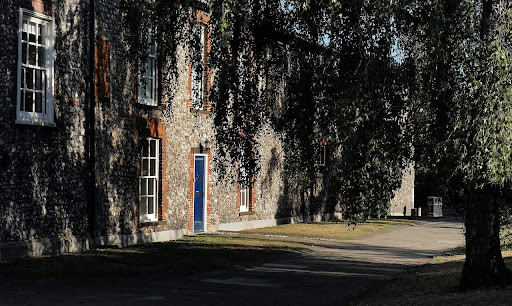
If you’re thinking about spending your hard-earned and long-saved money on a home that’s over 50 years old, stop for a moment. While it’s nice to think about living in an older building with all its history and a look of times gone by, the practical reality can be very different to what you’re dreaming about.
After all, an older home isn’t going to live up to modern standards. From the way it’s been built to the installed systems that keep the water flowing and the temperature at the right level, these buildings are going to be very different to what you’re used to.
Of course, it’s up to you to decide what your dream home looks like. But the pros of living in older housing are often outweighed by the cons. If you’re currently looking for a new home, here are a significant few you’ll want to keep in mind.
The Temperature Can Be Hard To Control
Older homes might not be as well insulated as a modern home. Indeed, if the home itself is older than 100 years, you won’t have any double or triple glazing to benefit from. The building is unlikely to have any kind of insulating material in the walls at all!
And if you decide to take the fireplace out or remove drapes and heavy curtains from around the windows, you’re going to lose all temperature protection. Modern renovations can cost you a lot in the way of ancient methods to heat a home.
This can also be incredibly expensive to keep up with. If you have a central heating system installed, there’s nothing to keep the heat trapped in and circulating. You can throw cash at the problem and end up losing it all through the poorly insulated panes and wood panelling the house originally came with!
The Structure May Not Be Up to Code
The structure of an older home is likely to be impaired or damaged in some way. A lot of older buildings were made to last, of course, but the materials used could have been shoddy, and the surrounding environment is likely to have changed in that time too.
You’re going to want to walk through the house from top to bottom. Start right at the top and keep an eye out for a potential roof repair in your future. Signs of this include missing shingle and roof tiles, rips in the under roofing in the attic, and poor drainage leading to water damage over time.
Then you can look at the foundation. Notice any cracks or buildups of mud in the external area? If you do, these can be signs of subsidence, and could mean the house is about to fall into itself at some point in the near future. That’s a very costly repair to get done – don’t sign a contract when you suspect this issue from the get go!
The Long Term Costs Can Be Huge
Old homes might need a lot of repairs, once you get settled in and start noticing the real cracks, dents, and dips. This could mean a costly repair within your first month of living there, or upwards of five repairs within the time your first Christmas comes around.
Long term costs are hard to budget for. You can have an emergency fund set up for rainy days when a pipe breaks or the boiler needs a service, but there’s little to no way to control the flow of money if the ceiling falls in or the entire central heating system goes kaput.
And while you may save on the short term costs, as older buildings in need of a bit of TLC tend to have cheaper price tags, you’re going to be spending more than twice that over the next five years or so. Very few people have that kind of money going spare!
You May Need a Lot of Time to Get Set Up
We mentioned settling in earlier, which usually takes a couple of months when you’re in a new home. However, in an older home, this process can take a bit longer. A lot of people can find it hard to live in a house with squeaky floorboards, draughts, and the feeling that you’re not alone when it gets dark.
Old houses can be creepy, and that’s not something you should discard here!
You might find yourself feeling very uncomfortable when in the house alone, or trying to sleep at night, and that can make this settling period very difficult. If you’ve got kids, this could even disrupt their routine entirely, and make the move much harder than it ever needed to be.
You’ll Have More Space, But Little Ready-Made Storage
An old home is probably going to be bigger than a modern, freshly built house. Sure, the latter kind of home is going to be more open plan and have a more free flow of traffic, but you might lose out on some square footage.
Buildings that have already existed for at least 50 years tend to have more room. You’re going to be dealing with more walls and doors, but that just increases the general privacy! All good, right?
Well, these homes don’t have much in the way of ready to use storage space. You’re still going to need to invest in wardrobes, bespoke or otherwise, and the kitchen might need renovating to allow for more cupboards. You gain more space, sure, but is it usable?
Older homes can be troublesome. If you’ve got a small or otherwise limited budget, buying one might not be the best choice for your future. You might have a lot of work ahead, you might have to buy another house soon after, or you might lose it all trying to fix this one up! Make sure you keep this in mind. There will always be houses on the market – you don’t have to rush to buy the first one you see that’s in your budget.

Leave a Reply