


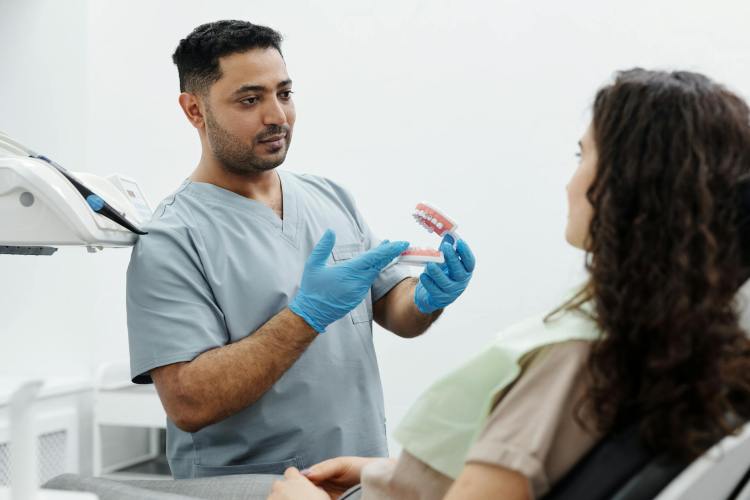
Are you considering getting braces but have heard a lot of conflicting information? Read on as we debunk common myths about this orthodontic treatment and provide you with the real facts you need to know.
From the truth about pain and discomfort to the effectiveness of different types of braces, we’ve got you covered.
Say goodbye to misinformation and get ready to make an informed decision about your orthodontic treatment.
Myth #1: Orthodontic Treatment Is Extremely Painful
When it comes to orthodontic treatment, one of the most common myths is the belief that it is extremely painful and uncomfortable. While some discomfort may occur during initial adjustments, it’s typically manageable and short-lived, serving as a normal indication of teeth moving to their new positions.
The Reality Of Discomfort During Orthodontic Treatment
Initial soreness and discomfort after getting braces or during routine adjustments are common but temporary, typically easing within a few days. This is a normal part of the process, indicating your treatment is effectively moving your teeth. Consulting a skilled orthodontist in DC, such as Kumra Orthodontics, will equip you with knowledge on how to effectively minimize discomfort.
Tips For Managing Any Discomfort
To manage any discomfort during orthodontic treatment, there are several strategies you can employ. Over-the-counter pain relievers can help alleviate any soreness, and orthodontic wax can be used to prevent irritation from the braces rubbing against the inside of your mouth. Additionally, sticking to soft foods and avoiding hard or sticky foods can also help minimize discomfort.
Myth #2: All Types of Braces Are Equally Effective
Another common misconception about braces is that all types are equally effective. In reality, different types of braces have their own unique pros and cons, and their effectiveness can vary depending on individual needs and preferences.
Exploring The Effectiveness Of Different Types Of Braces
There are several options available for orthodontic treatment, including traditional metal braces, ceramic braces, and clear aligners. Each type of braces has its own set of advantages and considerations.
Pros And Cons Of Metal, Ceramic, And Clear Aligners
Metal braces are the most traditional option and are highly effective for correcting even the most complex orthodontic issues. Ceramic braces are less noticeable than metal braces and are a popular choice for those who are concerned about the aesthetics of traditional braces. Clear aligners, such as Invisalign, offer a virtually invisible alternative to traditional braces and are removable for easy cleaning and eating.
Myth #3: Orthodontic Treatment Is Only for Children and Teenagers
Many adults believe that orthodontic treatment is only for children and teenagers. However, the truth is that adult orthodontics is becoming increasingly popular, and more adults are seeking treatment to achieve a beautiful, healthy smile.
The Growing Popularity Of Adult Orthodontics
Adult orthodontic treatment offers numerous benefits, including improved oral health, enhanced self-confidence, and a more aesthetically pleasing smile. With advancements in orthodontic care, adults now have a wide range of treatment options available to them, making it easier than ever to achieve the smile they’ve always wanted.
Benefits Of Orthodontic Treatment At Any Age
Orthodontic treatment can address issues such as misaligned bites, crowded teeth, and spacing problems, which can contribute to gum disease, tooth decay, and even jaw pain. By seeking orthodontic treatment, adults can improve their oral health and overall well-being while achieving the smile of their dreams.
Myth #4: Braces Are Only for Cosmetic Purposes
A widespread myth is that braces are solely for improving the appearance of one’s smile. While it’s true that orthodontic treatment can significantly enhance aesthetic appeal, the benefits go far beyond cosmetics.
The Health Benefits of Orthodontic Treatment
Orthodontic treatment goes beyond aesthetics, significantly enhancing oral health. Aligned teeth are simpler to maintain, lowering cavity and gum disease risks. Moreover, it corrects bite issues to prevent tooth wear, reduce damage risk, and ease jaw pain or TMJ disorders.
Improving Functionality Alongside Appearance
By aligning the teeth and jaws, braces can improve chewing and speaking functionality, contributing to better overall oral health and comfort. This aspect of orthodontic treatment is vital for patients of all ages and highlights the importance of addressing functional issues alongside cosmetic concerns.
Myth #5: Orthodontic Treatment Takes Several Years to Complete
Many people hesitate to start orthodontic treatment due to the belief that it will take a long time, often several years, to complete. However, the duration of treatment varies widely and may not be as long as you think.
The Reality of Treatment Duration
The length of orthodontic treatment depends on several factors, including the complexity of the case, the type of braces used, and the patient’s compliance with the orthodontist’s instructions. While some complex cases may require a longer treatment period, many patients see significant improvements within 12 to 24 months.
Advancements in Orthodontic Technology
Thanks to advancements in orthodontic technology, treatments are now more efficient than ever. Techniques such as accelerated orthodontics and the use of advanced materials can reduce treatment time while still achieving excellent results. Additionally, clear aligners can offer a quicker solution for certain cases, especially for adults with mild to moderate alignment issues.
Conclusion
Dispelling myths about orthodontic treatment is crucial for helping potential patients make informed decisions. By understanding the truths behind these common misconceptions, you can approach your orthodontic journey with confidence, knowing that the benefits extend beyond aesthetics to include significant health and functional improvements. With the right approach and guidance from a qualified orthodontist, achieving a healthy, beautiful smile is more accessible than ever.
Top Image is from: Pexels
Leave a ReplyCancel reply