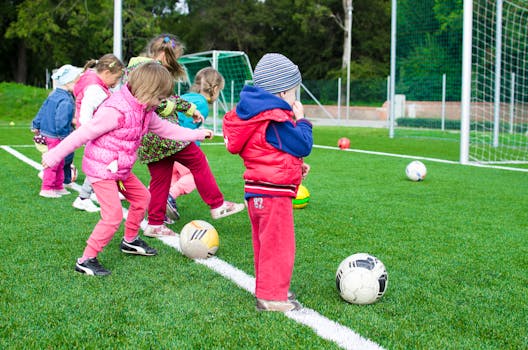

Think back to your childhood. Was there a sport or activity that changed the way you saw yourself? Maybe it was the first time you hit a home run, landed a perfect kick, or finally got the hang of a tough routine. Those moments weren’t just about winning—they were about learning.
Sports and activities do more than keep kids active. They teach important life skills that stay with them long after the game is over. With every challenge, they learn that effort leads to progress and that setbacks aren’t failures—they’re part of the journey.
That’s why parents in Naperville and other cities across Illinois look for activities that do more than just keep their kids busy. They want experiences that help their children grow, both physically and mentally.
So, what exactly do kids take away from these activities? Let’s take a closer look.
1. Discipline and Commitment
Success doesn’t happen overnight, and kids learn this best when they stick with something over time. Whether it’s a sport, an instrument, or a new skill, consistency is key. They start small—learning the basics, improving little by little, and pushing themselves further each time.
Take self-defense training, for example. It’s not just about movement; it builds focus, discipline, and determination. With clear goals and structured lessons, kids see that progress takes effort. They realize that showing up, practicing, and staying committed make all the difference.
However, if you’re unsure if it’s right for your child, try looking for free trials. Many well-known academies, like National Karate & Martial Arts Naperville, provide special offers like a 3-week trial for FREE with a free uniform. With experienced instructors and a supportive environment, kids get the guidance they need to build skills from day one.
2. Resilience and Handling Failure
Let’s be real—no one likes to lose. However, setbacks are part of life, and kids who play sports or participate in structured activities learn how to handle them early.
Imagine a child preparing for a big match or performance. They practice, put in the work, and give their best. But then, they don’t win. Disappointing? Yes. A reason to quit? No. Instead, they learn to shake it off, identify what went wrong, and try again.
This ability to bounce back builds confidence. It teaches kids that failure isn’t the end—it’s just a stepping stone. Be it struggling with a tough math problem or facing challenges later in life, they’ll know how to keep going, no matter what.
3. Teamwork and Social Skills
Life isn’t a solo game. Whether kids are on a sports team, part of a dance group, or even practicing individual skills in a class setting, they learn that success often comes from working with others.
Being part of a team teaches patience, cooperation, and leadership. Sometimes, they have to step up and take charge. Other times, they need to listen and support their teammates. This way, they figure out how to communicate, compromise, and encourage one another. These are the skills that will help them far beyond the playing field.
And it’s not just about winning together. It’s about learning to respect others, even opponents. They begin to see that teamwork isn’t about being the best alone—it’s about lifting everyone up.
4. Confidence and Self-Esteem
Every child deserves to feel capable, strong, and proud of themselves. But confidence doesn’t just appear—it’s built through experience.
Think about a child learning something completely new. At first, they struggle. Maybe they feel awkward or doubt themselves. But after weeks of practice, suddenly, it clicks. They get better, move faster, or perform without hesitation. That feeling of accomplishment is powerful.
This boost in self-esteem helps kids take on challenges outside their activities, too. They start raising their hands more in class, making new friends, and speaking up for themselves.
5. Healthy Habits and Stress Management
Nowadays, it’s easy for kids to spend hours sitting in front of screens. That’s why physical activities play such an important role in keeping them healthy—both physically and mentally.
For example, exercise isn’t just about staying fit. It helps release stress, clear the mind, and boost energy. Kids who engage in regular activities are often more focused in school, sleep better at night, and have a more positive attitude throughout the day.
Overall, they start building habits that stick with them for life, whether it’s a scheduled practice, a morning workout, or just playing outside.
Final Lines!
Sports and activities do more than keep kids busy. They teach valuable life skills that help them grow into confident, disciplined, and resilient individuals. From handling setbacks to working as a team, every lesson shapes their future. So, what’s next for your child? Maybe it’s time for them to take on a new challenge and discover what they’re truly capable of.
Top Image: photo credit