
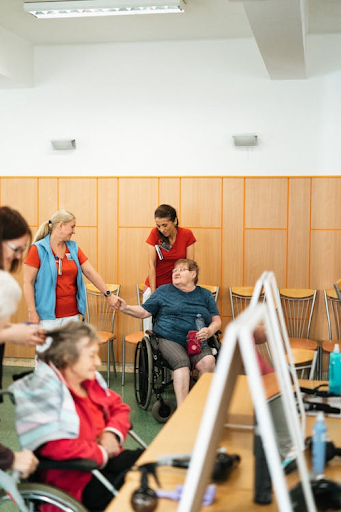
Memory disorders affect millions of people around the world. These conditions can change the lives of those diagnosed and the lives of their families. As these disorders progress, families often play a key role in care and support.
Learning how to navigate this journey can help create a safe, loving, and engaging space for everyone involved. The answers are just ahead. Keep reading.
What are Memory Disorders?
Memory disorders, such as Alzheimer’s disease and dementia, cause gradual changes in the brain. These changes make it harder for people to remember things, think clearly, solve problems, and behave in ways they used to. Over time, this can be difficult and even frightening for both the person affected and their loved ones.
Even though there is no cure for these conditions, research shows that family support can improve the life of someone living with memory loss. Providing emotional care, social interaction, and a sense of belonging can help your loved one feel valued and more connected to their world.
Creating a Safe and Engaging Space
People with memory disorders often feel safer and happier in familiar settings. Creating a calm and steady environment can reduce stress and confusion. One of the best ways to do this is by keeping a regular routine.
Having meals, activities, and rest times at the same times each day can bring comfort. It’s also important to help your loved one stay active and involved. Simple activities like puzzles, music, or memory games can keep the mind busy and spirits high.
Including them in daily tasks, like setting the table or folding laundry, can help them feel useful and connected to the family.
Offering Emotional Support
Supporting someone with a memory disorder isn’t just about meeting physical needs. It’s also about caring for their heart and soul. Being present, listening, and showing love makes a difference, even on hard days.
Sharing stories and looking through old photos can bring back happy memories. These moments help keep your loved one’s identity strong and give them a sense of belonging. While you can’t change their condition, your presence can bring comfort and joy.
Building a Community of Support
You don’t have to face this journey alone. Many communities have support groups for caregivers and families. These groups offer a space to share experiences and receive helpful advice.
They also remind you that others understand what you’re going through. Joining a memory care program or group activity can also benefit your loved one. These programs are designed to keep people with memory loss engaged, active, and social.
Communities that offer expert dementia care living options often include structured activities and personalized support, helping to prevent feelings of loneliness or confusion.
Walking the Path Together
Caring for a loved one with a memory disorder can be hard, but it can also be deeply meaningful. With kindness, understanding, and support, families can help create a better daily life for everyone involved.
The journey is not about fixing what cannot be fixed. It’s about sharing love, building trust, and holding on to the moments that still shine. For more on this topic, visit the rest of our blog!
Leave a Reply