
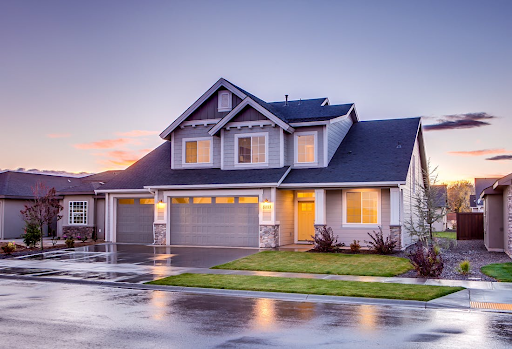
Ever drive down an Illinois street and notice how some homes seem to glow while others just… sit there? Curb appeal has become more than a point of pride. In a world shaped by online listings and a housing market in constant flux, how your home looks from the outside can shape its value, its vibe, and even how you feel when pulling into the driveway. In this blog, we will share smart ideas for improving your home’s exterior.
Begin With the Roof, Because Everyone Else Does
Roofs tend to live in the background of our attention until they leak. But that’s changing. As home insurance premiums skyrocket and severe weather becomes routine across the country, roofs are being looked at less like silent structures and more like critical assets. Buyers now ask about age, material, and energy efficiency before stepping inside.
That’s made high-performance roofing one of the most valuable upgrades. Beyond shingles, many homeowners are looking into cool roofs — materials that reflect sunlight and lower attic heat. Others invest in metal roofing for durability or install solar tiles to reduce energy bills over time. The point isn’t to slap something new on top and hope it lasts. It’s about matching the roof’s function to future weather realities, resale pressures, and utility costs.
If you live in a place where winters punish rooftops and summers boil attics, like Illinois, professional guidance matters. A trusted roofing company in LaGrange, IL can help homeowners navigate not just materials and labor, but permitting, ventilation specs, and insulation options. This kind of investment doesn’t just protect the house — it lifts the overall look, prevents longer-term costs, and can even shave off energy bills if done right. Get the roof wrong, and the rest of your exterior improvements won’t matter much. That’s the kind of fix no paint can hide.
Upgrade Your Lighting to Change the Mood
Think of your exterior like a movie set. Daylight makes everything easier, but once the sun drops, your home either fades into the background or turns into something striking. Lighting doesn’t just serve a safety function — it builds character. Smart lighting, particularly with motion sensors and timers, balances security with style.
Front paths benefit from downward-facing sconces or bollard lights to keep glare out of visitors’ eyes. Accent lights beneath large trees or along stone walls add depth and texture after dark. Even soft uplighting on your home’s façade can highlight architectural details that get ignored during the day.
Motion-activated floodlights near entrances or side yards serve dual purposes. They deter trouble and spare you from fumbling with keys in the dark. With energy-efficient LED systems widely available and solar-powered versions improving in reliability, this upgrade now costs less to maintain than ever before.
Focus on the Entryway — It Sets the Tone
A tired front door framed by cracked trim and a fading doormat doesn’t send a warm message. But it’s not just about aesthetics. In a climate where people shop homes online before ever stepping foot inside, the entry becomes a visual anchor. It shows up in photos, videos, and virtual walkthroughs. If it’s forgettable, the whole home loses momentum.
Replacing the front door can deliver a return on investment higher than a kitchen remodel, especially if it includes security upgrades, insulation, or updated hardware. Consider bold colors that match or contrast the exterior paint — deep blues, reds, or even sleek black work well on neutral-toned siding.
Extend that attention to detail to the trim, house numbers, mailbox, and light fixtures. These are cheap upgrades but often ignored. Consistent hardware finishes across the entry space — brushed nickel or matte black — create a finished look that quietly suggests the rest of the home is just as put-together.
Landscaping Is Not Just About Plants
People often treat landscaping like dressing a salad — toss a few shrubs in, maybe a tree or two, and call it a day. But landscaping functions best when it considers architecture, shade, airflow, and maintenance. If you can’t commit to manicured hedges or annual flowers, lean into native plants and layered textures that thrive with less water and fewer chemicals.
Grasses, ground cover, and trees should match the scale of the home. Overgrown vegetation swallows windows, breaks gutters, and hides pathways. On the flip side, a too-bare lawn feels unfinished. Use raised beds, stone borders, or defined garden zones to create shape and flow.
And don’t forget the non-living elements. Mulch, gravel, stone, and edging materials do more than fill space. They reduce maintenance and help define structure. For lawn borders in particular, the edging material you choose makes a significant visual difference. Metal edging for lawns creates clean, well-defined boundaries between grass, flower beds, and pathways while providing a durable, weather-resistant finish that helps maintain a neat, structured appearance for years to come. Decorative fencing, modern trellises, or even a custom address post can quietly boost curb appeal with very little effort.
Paint and Siding Need Coordination, Not Just Color
Paint seems like the obvious fix when exteriors look dated. But fresh paint on bad siding is like wax on a dented car. Assess the condition first. If boards are rotting, warped, or brittle, replacement might be smarter than layering over damage.
Once you’ve got a solid surface, the color should match the architectural style. A farmhouse doesn’t need charcoal gray. A craftsman probably won’t benefit from stark white. Soft earth tones and muted colors tend to age better and fade less obviously. Accent color on shutters or trim adds character, but try not to follow trend cycles too closely — what’s hot now might date the home fast.
Texture also matters. Horizontal lap siding, board and batten, shake shingles — these all create visual depth even in the same shade. Use combinations thoughtfully. A home with too many styles feels like a showroom, not a place to live.
Add Function, Not Just Flair
Sometimes the smartest upgrade is one that does double duty. Think benches with hidden storage. Fences that also block wind. Plantings that screen neighbors without violating zoning rules. The idea is to make every addition carry its own weight.
Pergolas, small covered porches, or awnings can make a plain exterior feel layered. They also offer relief from weather and structure for lighting or climbing plants. If the backyard connects visibly to the side of the house or can be seen from the road, consider how the entire space ties together. Coherence between front, side, and back makes a property feel bigger and more thought-through.
Small things matter too. A hose neatly coiled, trash bins hidden behind a screen, seasonal décor placed with intention — these quiet details round out the picture. They don’t cost much, but they signal pride and maintenance, which is half the battle in curb appeal.
Good exteriors don’t chase trends or try to impress. They quietly raise expectations, make the property easier to maintain, and give owners a reason to slow down when pulling into the driveway. It’s less about wowing strangers and more about building something that works every day.
Top Photo: image credit
Leave a Reply