
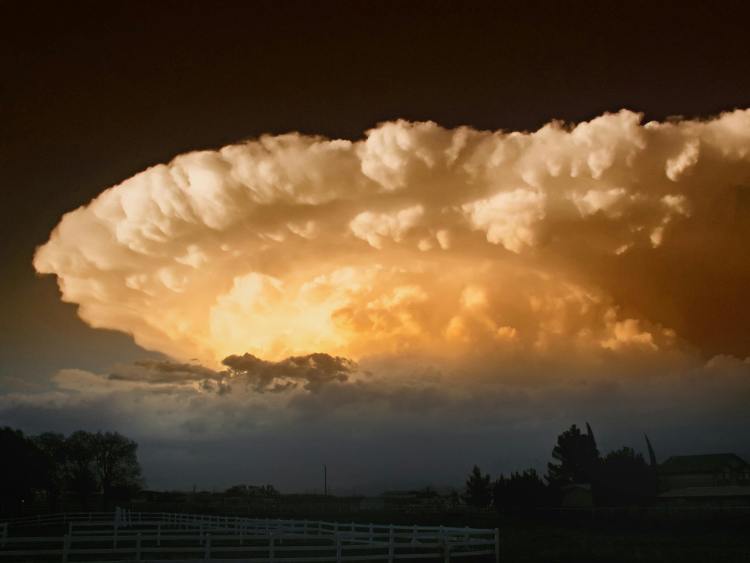
People in southern Illinois and eastern Missouri are having to watch the sky a bit more closely this week. The forecast calls for scattered storms today, and while there’s no tornado threats it’s enough to have us locals checking our gutters and digging umbrellas out. The memories of the storms in early April this year are still vivid when heavy rain, flash flooding and tornadoes left the streets, farms and yards soaked and damaged.
April 2025 Left Its Mark
The storms from April 2 to 7 2025 caused serious problems across southern Illinois and parts of eastern Missouri. Murphysboro streets filled quickly with puddles and fallen branches. Carbondale homeowners woke up to missing shingles, soaked porches and their yards littered with debris. The farmers in Benton and surrounding counties saw their young corn flattened by the wind and rain, and the ground stayed soggy for days. Cattle in eastern Missouri barely moved for two days because the pastures were too muddy and farmers worried about their weight and the coming winter. Emergency crews were stretched thin at this time across multiple counties responding to flooded roads, fallen power lines and damaged homes. And the shelters in St Louis County saw more visitors than usual, who were mostly older residents who thought it was safer to ride out the storm in a place with steady power. Some of the rawest reactions came through on Reddit. One user on r/WeatherAnxiety admitted, “I’m trying to act like I’m not scared … but I’m fr‑fricking out. Not only was I scared, it got a high risk. I am in the hatched lines, terrified for everyone else.” Another, on r/Disastro, captured the scope of the April outbreak: “Severe weather … a foot+ of rain is wild, a large long track tornado and a threat for significant or even historic flooding. It is going to be another long few days of severe weather.”
Rivers and Water Rising
Rivers have also been a concern. The Mississippi climbed steadily during April, and even after the worst of the storm passed crews had to worker to clear ditches and check levels. The Meramec River rose quickly enough that walking trails and low lying campsites had to be closed. Even today with only scattered storms predicted, people near rivers are still keeping an eye on gauges. Campers along the Meramec have been told to move gear to higher ground when rainfall increases, just like they were back in April.
The Financial Strain for Business/ Homeowners
Roofers and insurance companies are still the fallout from the spring storms even now, despite the fact it’s now November. Missouri’s Department of Commerce and Insurance reports that insurers have already paid out nearly $1.6 billion in claims this year, projections actually go as high as 1.8 billion. Many of those claims are for residential property damage, including things like wind torn shingles, structural harm and minor leaks. According to NWS storm data from that week, a business in Illinois had its roof torn off, and three semis were flipped by intense winds. In Cahokia Heights local officials say that long running sewage and drainage problems are being made a lot worse by heavier rain events. The city is under a consent decree with federal authorities and has begun investing in major sewer upgrades. After April’s storms, municipal crews and residents cleared fallen trees, branches, and other debris from streets and public areas. Many towns provided temporary dumpsters or encouraged the use of roll off containers to manage large amounts of debris. Officials say clearing debris quickly reduces the risk of blocked drains and helps prevent flooding if more rain arrives and it’s worth residents using a dumpster rental leads app to schedule containers for larger cleanup projects if needed.
Stormy Weather Getting Worse- in the Midwest and Across the World
Local residents aren’t anxious just because of past events either, scientists say what they are seeing could be part of a larger change in weather patterns. As the climate warms, the air holds more moisture and that can feed heavier rain. Research from the NRDC shows that in the Midwest storms that drop three inches or more now happen more than twice as often as what they did in the 1960s.The EPA also reports that very heavy precipitation events are increasing across much of the United States, especially in the Midwest.
November 2025 Storms
While today’s forecast doesn’t include severe warnings, the pattern of frequent and unpredictable storms has residents and authorities more on edge. And this may become more and more common in the coming years. Forecasters say rainfall totals in the next week are likely to vary widely between counties, with some areas seeing only brief downpours and others receiving a few inches of rain.However meteorologists have cautioned that even light storms can quickly saturate the ground in low lying areas, or where soil hasn’t yet fully absorbed previous rainfall. Agricultural experts say soil moisture remains high in some fields which can affect planting and crop management decisions. If you’re a livestock owner then pay attention to pastures and low lying feeding areas as repeated rainfall can slow access and increase risks for your animals.
Leave a Reply