
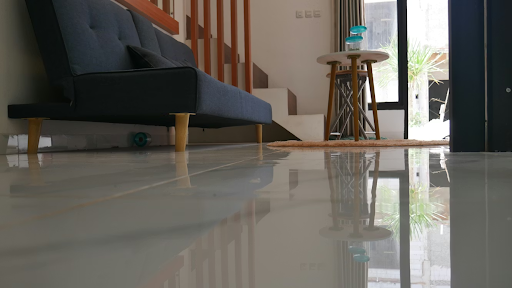
It starts small. Maybe a marble rolls across the living room floor when you drop it. Maybe a cabinet door won’t quite stay closed anymore. Most homeowners don’t think much of it at first. But when floors begin to slope, bounce, or feel uneven underfoot, it’s time to take a closer look.
Level floors aren’t just about aesthetics. They’re often a sign that everything beneath your home is working the way it should. When things shift, sag, or break down below, the evidence shows up right under your feet.
Common Signs Your Floors Might Be Off
Before grabbing a level, trust your senses. Do your floors squeak more than usual? Do you feel a subtle bounce when you walk across a certain area? These could be early indicators of structural movement. Uneven tile grout lines, cracks in drywall, and doors that don’t close properly can all be part of the same story.
Now grab a long level or even a simple ball. Place it in different spots across the floor and see if it rolls. Use a laser level if you have one. Document which areas dip or slope more than others. Don’t worry if you find some variation, not all sloping means danger, but these are signs worth tracking.
Understanding What’s Under Your Floors
If your home has a pier and beam foundation, the issue likely stems from below. Unlike slab foundations, pier and beam systems create a crawl space with wooden beams supported by piers spaced throughout. It’s a durable design, but over time, soil movement, moisture, or aging materials can cause beams to sag or piers to shift.
That’s when you start noticing uneven floors, soft spots, or rooms that feel like they’re tilting ever so slightly. Wooden joists may also rot or become insect-damaged if ventilation is poor, leading to a springy or bouncy sensation in certain areas.
DIY Checks You Can Do Today
You don’t need to crawl under your house just yet. Start by inspecting the baseboards and door frames inside your home. Look for gaps or unusual angles. A flashlight and a little patience can help you check for pooling water or moisture damage in accessible crawl space areas.
If you’re comfortable, a trip under the house can reveal a lot. Use a moisture meter to test the wood, and make sure all piers are standing firm. Sagging beams or piers that appear tilted or sunken are strong clues that repairs might be needed.
When to Call a Professional
There’s a limit to how much you can learn without expert help. If your floors feel unsafe or you see serious structural damage, don’t delay in getting a professional foundation evaluation. They’ll use tools like laser leveling, moisture diagnostics, and support beam inspections to determine the root cause.
This is also where budgeting comes into play. Once a problem is identified, you’ll want a clear understanding of what it might cost to fix it. A good resource for this is the guide to pier and beam foundation repair cost, which breaks down typical pricing, what influences cost, and how to plan financially.
Don’t Fear the Fix
Discovering that your floors aren’t level isn’t the end of the world. In fact, catching it early can save you thousands and keep your home safer for years to come. Whether it’s a minor shim or a major repair, knowledge is your best tool. Start simple, stay curious, and when in doubt, call someone who knows the ground beneath your home better than anyone.
Top Photo Via Unsplash
Leave a Reply