
If you have outbuildings on your property, it is essential to get your roofing right. The more robust it is, the longer these new facilities will last, and the less you will need to worry about maintenance.
But how do you get roofing choices for sheds, garages, workshops, and garden structures right? What should you be doing? What should you be fitting to ensure robustness against the weather?
Here are some roof material options you might want to consider:
Asphalt shingles

Asphalt shingles are the most commonly used roofing material for sheds and garages. This option is very affordable and easy to install, according to A&J Professional Services.
The weather resistance is reasonable, and you can expect anywhere between a 15-30 year lifespan. The downside, of course, is that it’s less durable in extreme weather. UV light can damage the organic compounds in asphalt shingles, causing them to dry out and eventually crack. This means that you may need to treat or maintain them every 7-10 years or so.
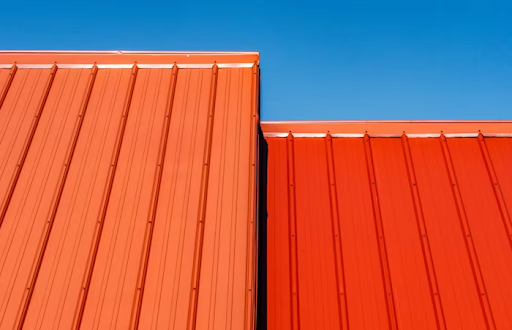
Metal roofing
These days, metal roofing is becoming increasingly popular. A lot of homeowners and owners are using steel, aluminium and corrugated panels. Why is this happening? Usually, it’s because metal offers a longer lifespan with less maintenance than conventional asphalt options.
But there are downsides. One issue is that they can just be noisy in the rain. Metal vibrates a lot after droplets and hail hit it. There’s also the higher upfront costs. Metal isn’t cheap these days, and prices are only going up as wholesale costs rise.
EPDM rubber membrane
If you have a low slope roof, you might want to use EPDM rubber membrane. These offer exceptional waterproofing and flexibility, and they can last a long time—up to 50 years according to some estimates. Special chemical formulations allow them to resist ultraviolet light from the sun and they can even deal with higher temperatures in southern latitudes.
You’ll want to use these for flat roofs and keep them away from trees. The reason for this is that they can puncture and lose their viability.
Polycarbonate PVC panels
If you’re looking for a really cheap solution for a garden house or a greenhouse, or you want light to enter a particular outbuilding, then polycarbonate PVC panels could be an option. These allow in natural light, and they look quite nice on patios and deck extensions.
The downside is that they can yellow over time and they’re less insulating than conventional roofing materials. Therefore, interior spaces may feel colder and require additional heating.
Cedar shingles and shakes
Wood shingles and shakes are unpopular, but cedar is an exception to the rule. This particular type of wood is able to resist a lot of the degradation and rot that most other species suffer from when left outdoors for a long time. Cedar has natural antimicrobial and antibacterial action, and it can provide you a high-end appearance.
Downside, of course, is that you’ll be spending more, and it takes a long time to install.
Top Photo: Unsplash – CC0 License
Leave a Reply