
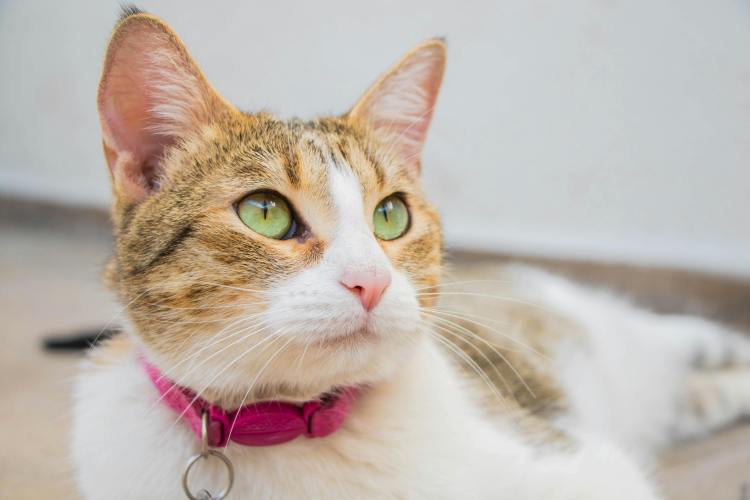
Cats can feel stressed from travel, loud sounds, or changes at home, which can lead to hiding, scratching, or aggression. Many owners use pheromone-based products to calm their pets, but choosing between a calming collar and a spray can be confusing. A calming collar gives steady support for weeks, while a spray offers quick relief in specific moments.
Each product works in a different way. Collars release relaxing pheromones around the clock, useful for long-term stress or anxiety, while sprays target short-term triggers like vet visits or car rides. The right choice depends on the cat’s habits, environment, and how long relief is needed.
This guide explains how both options work, compares their effects, and helps pet owners decide which best suits their cat’s needs for a calmer and more comfortable life.
Understanding Cat Calming Collars and Sprays
Both collars and sprays help reduce feline stress through the release of pheromones or natural extracts. Each method varies in duration, strength, and convenience, so the choice depends on how a cat reacts to specific calming aids.
How Calming Collars Work
A calming collar fits around a cat’s neck and slowly releases a safe substance that helps reduce anxiety. Most collars use synthetic pheromones that mimic those produced by mother cats. These signals help the cat feel protected and comfortable in new or stressful situations such as travel or loud environments.
Some collars also use herbs or essential oils like lavender or chamomile to produce a steady scent that soothes the senses. A calming collar for cats with natural ingredients provides a continuous effect since it stays close to the cat’s skin throughout the day. This makes it useful for cats that experience constant or unpredictable stress.
Each collar typically lasts about four weeks before replacement. Owners should choose an adjustable, lightweight collar that does not irritate the skin. While results depend on the individual cat, many show calmer behavior such as reduced scratching or hiding.
How Calming Sprays Work
Calming sprays rely on short bursts of pheromones or natural scents sprayed on specific areas. Pet owners often spray bedding, carriers, or favorite scratching spots to build a sense of safety. The effect starts quickly but does not last long, so reapplication several times per day might be needed.
These products work well for cats that experience stress only in certain conditions such as vet visits or car rides. They also allow flexible use since owners can spray only where needed. Many sprays use similar ingredients found in collars but at a lighter concentration.
Sprays do not leave residue and are convenient for multi-cat homes where collars may not suit every pet. However, since they disperse faster, they suit temporary stress rather than ongoing anxiety.
Differences Between Collars and Sprays
Calming collars and sprays share similar goals yet differ in how they deliver results. Collars provide a constant release of pheromones, while sprays offer quick but short-term relief. The collar’s strength lies in steady exposure that keeps a cat relaxed even during sleep or long periods alone.
Sprays, on the other hand, give owners control over where and how often they apply the product. This allows targeted use in problem areas. Collars tend to suit cats that need lasting support at home, while sprays benefit those with occasional anxiety during travel or vet visits.
Some owners use both products at different times depending on their cat’s daily patterns. Understanding these distinctions helps tailor care to the individual cat’s habits and stress levels.
Comparing Effectiveness for Feline Anxiety
Different calming aids offer unique benefits for anxious cats. Some provide long-term comfort through pheromone release, while others deliver short bursts of relief during stressful moments. Understanding how these options suit various behaviors, durations, and safety needs helps guide a better decision for feline care.
Suitability for Different Types of Cat Anxiety
Calming collars work best for cats that face general or daily anxiety, such as stress linked to separation or frequent noise. The collar stays on the cat and releases synthetic pheromones that imitate the natural feline facial pheromone. This helps create a familiar scent that can signal safety and comfort.
Sprays or pheromone diffusers may suit cats that experience situational stress. For instance, travel, vet visits, or new environments often trigger temporary anxiety. Sprays offer targeted use on carriers or bedding, while diffusers maintain a calm environment inside the home by spreading pheromones in the air.
Each method affects cats differently. Some respond well to a constant source like a collar, while others show improvement only in certain spaces treated with a diffuser. The owner’s observation of patterns in the cat’s anxiety gives the best clue to which aid may help most.
Duration, Safety, and Use Cases
A calming collar typically lasts around four weeks and works continuously without extra steps from the owner. This steady release of scent benefits cats that need constant support. However, collars can pose a risk if they snag on household objects. A quick-release design adds safety by freeing the cat if the collar catches.
Calming sprays and pheromone diffusers require more maintenance. Diffusers must be replaced about every month, and sprays wear off after several hours, so frequent reapplication is needed. Despite this, these options remove the risk of a collar snag and work well in multi-cat homes or confined spaces.
Therefore, the choice often depends on how long the product must remain active and whether safety or convenience is the top concern. Owners who supervise their cats closely can use collars safely, while those away for longer periods might prefer plug-in diffusers.
Choosing the Right Solution for Your Cat
The best calming tool depends on the source and intensity of the cat’s anxiety. For a cat that hides or overgrooms regularly, a collar can provide stable comfort throughout the day. In contrast, a pheromone diffuser better serves cats affected by specific household changes such as new furniture or guests.
Owners may test both products separately to see which one creates visible relaxation. Watch for reduced pacing, normalized grooming, or regular eating behavior as signs the cat feels calmer. Each cat’s reaction guides future use more accurately than general recommendations.
A simple comparison helps clarify purpose:
- Collar: constant release, mobile support, possible snag risk.
- Spray or Diffuser: temporary or area-based control, safer setup, needs reapplication or replacement.
By matching the product’s design with the cat’s stress triggers, owners can manage feline anxiety more effectively and maintain a calm home atmosphere.
Conclusion
Both calming collars and calming sprays can help reduce stress in cats, but their benefits differ based on lifestyle and environment. Collars suit cats that move around often or live in multi-room homes since they provide a constant release of pheromones. Sprays work better for short-term use, such as travel or vet visits.
Cats with mild anxiety often respond well to sprays because the effects appear quicker and can be targeted to specific areas. In contrast, collars benefit pets that show continuous signs of stress or tension, especially in multi-cat homes.
Each product has limitations. Sprays need frequent reapplication, while collars may not suit cats sensitive to wearing items around their neck. Therefore, owners should watch their cat’s behavior and adjust methods as needed.
Choosing between these options depends on what causes the cat’s anxiety and how long the support is needed. Testing both products can help identify which approach keeps the cat calm and comfortable.
Top Photo: Image Credit
Leave a Reply