
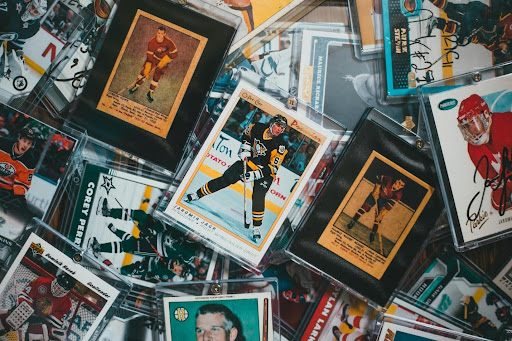
Many parents hold on to items tied to childhood memories, family milestones, or special moments. Over time, some of these objects gain financial value, while others retain their meaning mainly for sentimental reasons. Learning what makes a collectible valuable can help families decide what to preserve, protect, or pass down.
Rarity and Limited Supply
One of the strongest drivers of collectible value is scarcity. Items produced in small quantities or released for a short period tend to attract more interest over time. Limited-edition toys, discontinued book series, or early versions of popular products often fall into this category. When fewer examples exist, collectors are more willing to compete for ownership, which raises demand and price.
Condition and Care Over Time
Condition matters more than many people expect. Items that show minimal wear, retain original packaging, or include all components usually hold higher value. For parents storing childhood items, simple steps such as keeping collectibles out of direct sunlight, avoiding moisture, and using protective containers can make a difference years later. Even small flaws can significantly impact long-term value.
Emotional and Cultural Significance
Collectibles connected to shared experiences often gain value because they represent a moment in time. Objects tied to popular movies, books, or public figures can become more desirable as nostalgia grows. Family-focused items can also benefit when they reflect broader cultural trends, such as classic children’s literature or early educational games.
Authenticity and Provenance
Proof of authenticity plays a major role in value. Items with clear documentation or verified origins tend to be more trusted by buyers. For example, a signed item accompanied by reliable verification from a recognized autograph store carries more credibility than one without supporting records. Clear ownership history also helps establish legitimacy.
Market Demand and Timing
Value depends on what people want at a given time. Trends shift, and interest can rise or fall based on media exposure or generational changes. Parents who follow collector markets may notice renewed interest in items once considered ordinary. Timing a sale during periods of heightened attention can significantly affect returns.
Collectibles blend memory and market value. For families, recognizing what influences worth can guide better decisions about storage, display, or eventual resale. Even if an item never reaches high monetary value, understanding these factors helps parents protect pieces that may one day become meaningful. Check out the infographic below for more information.
Top Image Photo Credit: Microsoft Stock Images

Leave a Reply