
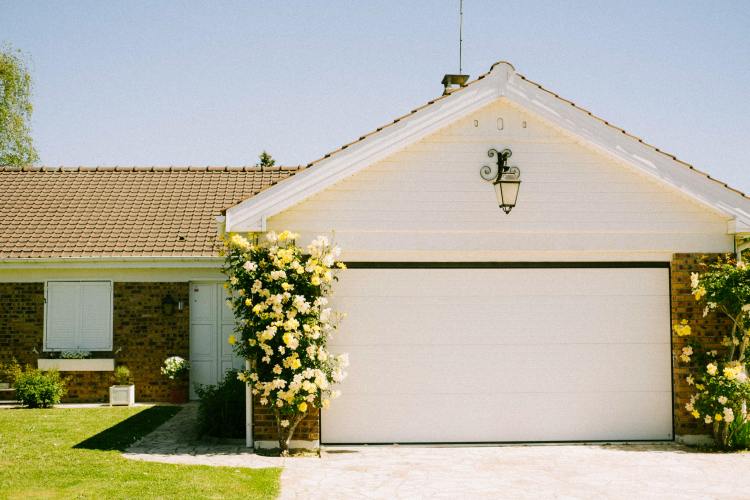
A garage door opener is one of those things you rarely think about—until it stops working. It opens and closes your garage several times a day, quietly doing its job in the background. But like any mechanical system, it wears down over time. Small issues, strange noises, or inconsistent movement may seem minor at first, yet they often signal deeper problems.
Ignoring these signs can lead to sudden breakdowns, safety risks, or costly repairs. Recognizing when it’s time to replace helps keep your home secure and your daily routine running smoothly.
Let’s take a look at the key signs that indicate your garage door opener may be due for an upgrade.
1. The Opener Is More Than 10–15 Years Old
Most garage door openers are designed to last 10 to 15 years, depending on usage and maintenance. If your unit is already within or beyond this age range, it may still function, but that doesn’t mean it’s working efficiently or safely. Older models often lack updated safety features, quieter motors, and the energy efficiency found in modern systems.
As aging openers begin to show signs of wear, it may be time to replace them with a newer, more reliable model. However, it’s usually safer to hire professionals to help install your Garage door Opener, since the process involves precise mounting, electrical connections, and safety adjustments. They provide installation services that cover proper alignment, wiring, and full safety testing. Their technicians make sure the system runs smoothly, meets current standards, and is calibrated correctly from the start, helping prevent future problems and ensuring reliable daily use.
2. Excessive Noise or Vibration
Garage door openers typically make some noise, but if the sound becomes louder or more unusual over time, it may indicate internal issues. Grinding, rattling, or squeaking noises often indicate worn gears, loose components, or a motor that is starting to fail. Chain-drive systems, in particular, tend to become noisier as they age, especially if they haven’t been maintained regularly.
Vibration during operation can also point to mounting issues or internal wear. Over time, these problems can worsen and eventually lead to complete failure. Modern openers, especially belt-driven models, are designed to run quietly and smoothly. Replacing a noisy, aging opener can make a noticeable difference in comfort, especially if your garage is attached to the house or located near living spaces.
3. Slow or Inconsistent Operation
A healthy garage door opener should lift and lower the door smoothly and at a steady pace. If the door suddenly moves more slowly than usual, hesitates during operation, or stops midway, it may indicate the motor is losing power or internal components are wearing out.
Inconsistent movement can also result from faulty sensors or electrical issues. These problems may seem minor at first, but they often get worse over time. A struggling opener puts additional strain on the door’s springs, tracks, and rollers, which can lead to further damage. Replacing the opener restores smooth operation and helps protect the rest of the garage door system.
4. Frequent Breakdowns and Repairs
Every mechanical system requires occasional maintenance, but if your garage door opener needs repairs several times a year, it’s usually a sign that the unit is nearing the end of its life. Worn-out motors, failing gears, or outdated electronics can lead to recurring issues that never seem fully resolved.
At some point, the cost of repeated service calls begins to outweigh the price of a new opener. Instead of continuing to invest in repairs, replacing the system often provides better long-term value. A new opener not only reduces maintenance costs but also offers improved performance, quieter operation, and updated features that enhance convenience.
5. Lack of Modern Safety Features
Garage door safety has improved significantly over the years. Older openers may not include important features such as automatic reversal systems or photo-eye sensors. These safety components detect obstacles in the door’s path and prevent it from closing if something is in the way.
Without these safeguards, the door may continue to close even when an object, pet, or person is beneath it. This creates unnecessary risks and potential damage. Upgrading to a modern opener ensures that your garage door meets current safety standards and provides better protection for everyone in your household.
Conclusion
Garage door openers rarely fail without warning. Strange noises, slow performance, repeated repairs, and outdated features are all signs that the system may be nearing the end of its lifespan. Paying attention to these signs allows you to plan a replacement before a complete breakdown occurs. With a modern opener in place, your garage door can operate quietly, smoothly, and reliably for many years to come.
Top photo: Image Credit
Leave a Reply