
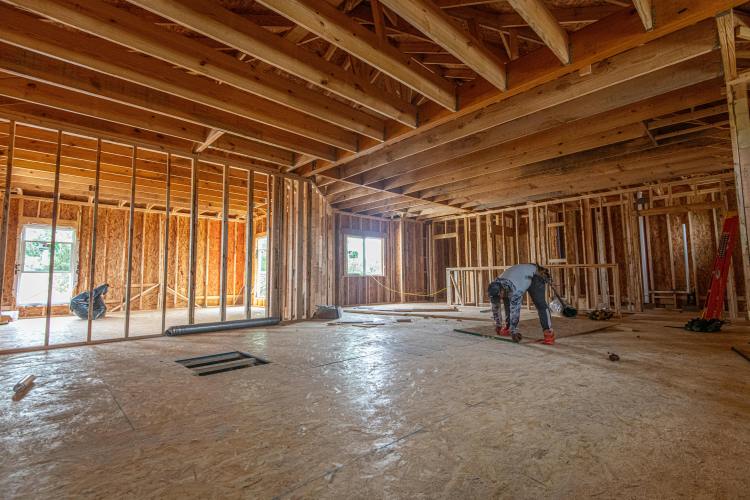
Have you ever tried to map out a big life decision, only to realize the timeline isn’t as straightforward as you expected?
Building a custom home tends to feel exactly like that—exciting at first, then gradually more layered as details begin to unfold. People usually start with a rough estimate in mind, maybe six months, maybe a year, but the reality rarely fits neatly into a fixed schedule.
Part of the confusion comes from the number of moving pieces involved. Design choices, approvals, construction phases, and even small adjustments along the way all influence how long things actually take. And while the process can feel slow at times, each stage plays a role in shaping the final outcome in ways that aren’t always obvious upfront.
If you’re trying to understand what really affects the timeline, below are 5 key factors that explain why building a custom home takes as long as it does—and where that time actually goes.
1. The Planning Phase Takes Longer Than Expected
Feeling like the project hasn’t even started despite weeks of discussions is one of the earliest frustrations people experience. The reason often lies in how much detail goes into aligning design preferences, budgets, and structural feasibility before anything physical begins.
That stage is usually when people begin researching options like custom home builders, trying to understand how timelines are structured and what happens before construction even starts. As conversations shift from ideas to specifics, the focus turns toward drawings, permits, and approvals rather than visible progress.
Long before the first foundation is poured, construction teams like those at Capistrano Homes evaluate how site conditions, zoning requirements, and design intent interact to inform decisions. Once that groundwork is properly mapped out, delays later in the process become far less likely.
2. Permits and Approvals Can Quietly Extend Timelines
Waiting on paperwork without clear updates can make it feel like everything has stalled. Local regulations and approval processes move at their own pace, and they don’t always align with construction schedules.
Each municipality has its own requirements, which means timelines vary depending on where the home is being built. Plans may need revisions, additional documentation, or compliance adjustments before final approval is granted.
That back-and-forth can stretch weeks into months without any visible activity on-site. Even though it feels like a pause, this stage plays a critical role in ensuring the build meets all legal and safety standards, which ultimately protects the homeowner in the long run.
3. Design Changes Midway Through Construction
Realizing you want to tweak layouts or finishes after construction begins can subtly shift the entire schedule. Even small design adjustments can create a ripple effect across multiple stages of the build. A change in flooring, cabinetry, or room layout might require reordering materials, adjusting labor schedules, or even modifying structural elements.
What seems like a simple update can push timelines further than expected because it interrupts the original sequence of work. These moments are common, especially when homeowners start seeing the space come together, but they do require flexibility in how long the project ultimately takes.
4. Material Availability and Supply Chain Delays
Delays tied to materials can feel unpredictable and, at times, out of anyone’s control. Construction timelines rely heavily on when specific materials arrive, and shortages or shipping delays can slow progress unexpectedly. Custom homes typically involve specialized finishes, fixtures, or structural components that aren’t always readily available.
If a key element is delayed, certain parts of the construction may need to pause until everything is in place. While some builders plan ahead to minimize disruptions, external factors such as manufacturing timelines or transportation delays can still affect how smoothly the process proceeds.
5. Weather and On-Site Conditions
Construction delays due to weather can be frustrating, especially when everything else is ready to move forward. Outdoor conditions directly affect progress, particularly during foundational and structural phases.
Heavy rain, extreme temperatures, or unexpected site conditions can temporarily halt work to maintain safety and quality standards. These pauses aren’t always predictable and tend to vary by location and season. Although it may seem like lost time, these delays help ensure that the structure is built under the right conditions, which ultimately impacts durability and long-term performance.
Conclusion
Building a custom home rarely follows a perfectly straight timeline, even when everything is carefully planned. What starts as a rough estimate gradually evolves as each stage unfolds, revealing just how interconnected the process really is.
From early planning and approvals to construction and finishing touches, every step contributes to the final result in ways that aren’t always visible in the moment. Understanding these timeline factors doesn’t necessarily make the process faster, but it does make it easier to navigate with clearer expectations. And for most people, that clarity turns what feels like a long wait into something more intentional—a process that’s shaping a home designed specifically around how they want to live.
Top Photo: Image Credit
Leave a Reply