
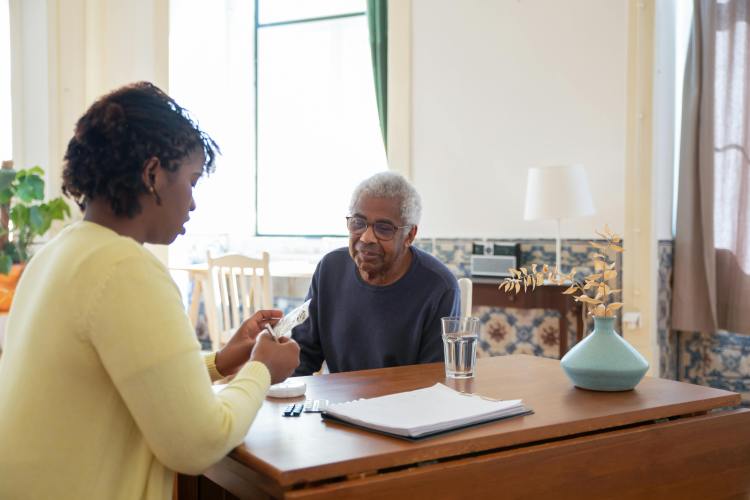
Have you ever stopped to think how one small fall could completely change an older adult’s life? It sounds minor, until you look at the numbers. Each year, more than 14 million adults aged 65 and older report falling, meaning roughly 1 in 4 seniors experiences a fall annually.
That single statistic says a lot. Falls aren’t random, they’re often tied to underlying health conditions that slowly make daily life more difficult. Everywhere around the world, even where many older adults strive to stay active and independent, those risks tend to build quietly over time.
And that’s where the conversation begins to shift. It’s not just about preventing falls anymore, it’s about understanding which medical conditions increase those risks, and when extra support becomes part of staying safe and living well.
1. Alzheimer’s Disease and Dementia
It usually begins quietly, missed conversations, repeated questions, or confusion about familiar places. Over time, these moments become more frequent and start interfering with daily routines. What once felt manageable slowly turns into something that requires constant attention.
Seniors living with dementia often experience:
- Forgetting to take medications or eating irregularly
- Wandering or getting lost, even in familiar surroundings
- Sudden mood changes, including anxiety or agitation
- Difficulty recognizing people or remembering recent events
The real challenge isn’t just memory loss, it’s the unpredictability. Some days feel steady, others don’t. That inconsistency can make caregiving overwhelming without extra support in place.
2. Chronic Mobility Issues and Fall Risk
A single fall can quietly change the rhythm of everyday life. Recovery tends to take longer with age, and even after healing, the fear of falling again can limit movement in subtle ways. Conditions like arthritis or post-surgical weakness only add to that uncertainty.
At this stage, families often begin considering senior care services, not out of urgency, but from a growing realization that routine tasks are no longer as safe as they once were.
In many of these conversations, A Partner in Caring tends to come up naturally, especially when the goal is to maintain independence without compromising safety at home.
3. Post-Surgery Recovery
Coming home after surgery sounds comforting, until the reality sets in. Simple movements feel unfamiliar, energy levels drop quickly, and even basic routines can take more effort than expected. It’s not just about healing; it’s about managing everything around that healing.
During this phase, seniors often need help with:
- Keeping up with strict medication schedules
- Limited mobility after procedures like hip or knee replacement
- Basic daily tasks such as bathing, dressing, or cooking
- Monitoring for complications like infections or unusual pain
What catches many families off guard is how delicate this period can be. A smooth recovery often depends less on the surgery itself and more on the support available afterward.
4. Chronic Illness Management
Living with a long-term condition isn’t always surprising, it’s steady, repetitive, and often exhausting in quiet ways. Seniors managing illnesses like diabetes, heart disease, or COPD don’t just deal with symptoms; they carry the weight of daily routines that have to be followed consistently, without much room for error.
Over time, even simple things like remembering medications or sticking to dietary restrictions can become difficult. It’s not always about a major health event; sometimes it’s the slow buildup of small lapses that leads to complications.
As energy levels shift and memory isn’t as sharp as it once was, keeping everything on track becomes harder. That’s where consistent support starts to feel less like help and more like necessity.
5. Parkinson’s Disease
Parkinson’s is a progressive neurological disorder that affects movement, often causing tremors, stiffness, and slowed coordination over time.
It doesn’t move in a straight line. Some days feel manageable, while others bring stiffness or shakiness that makes even simple actions take longer than expected. That unpredictability can be frustrating, not just physically but emotionally too.
As the condition progresses, balance issues increase the risk of falls. Tasks like buttoning a shirt or walking across a room may require help. Over time, having someone nearby becomes less about assistance and more about maintaining a sense of control in daily life.
6. Stroke Aftercare
A stroke doesn’t just pass, it leaves behind changes that can reshape daily life. Recovery often feels uneven, with progress one day and setbacks the next. Seniors may struggle with speech, memory, or limited movement on one side of the body.
What makes this stage challenging is the adjustment. Simple tasks like eating, walking, or even communicating can require extra time and patience. Without consistent support, recovery can slow down. Having someone present during this phase helps rebuild routine, offering both physical assistance and a sense of reassurance.
7. Vision and Hearing Loss
Vision and hearing loss often develop gradually, making them easy to overlook at first. But over time, they begin to affect safety, communication, and overall confidence in daily life.
Seniors dealing with sensory loss may experience:
- Difficulty reading medication labels or instructions
- Trouble hearing phone calls or conversations clearly
- Increased risk of accidents due to limited awareness
- Feelings of isolation from reduced social interaction
These changes don’t always seem urgent, but they build up quietly. With the right support, seniors can stay connected, safer, and more comfortable navigating their everyday routines.
8. End-of-Life or Palliative Care Needs
There comes a stage where the focus shifts. It’s no longer about recovery or managing symptoms in the usual way, it’s about comfort, dignity, and making each day feel as calm as possible. Seniors facing serious or terminal conditions often need more attentive, compassionate care.
Pain management, emotional support, and assistance with basic needs all become part of daily life. Families want to be present, but the demands can be overwhelming. Having consistent support during this time helps create a more peaceful environment, where care feels gentle, respectful, and centered around the person, not just the condition.
Conclusion
Recognizing when a medical condition begins to interfere with daily life isn’t always straightforward. It rarely happens all at once. Instead, it builds through small changes, missed steps, slower movement, quiet struggles that gradually become harder to manage alone.
Each situation on this list reflects more than a diagnosis. It shows a shift in what support looks like. And while independence is always valued, safety and comfort matter just as much. Knowing when to bring in extra care isn’t about losing control, it’s about making sure life continues with the right balance of support, dignity, and ease.
Leave a Reply