


Having your home flood is never fun. Yet you can find out how to deal with home floods effectively in the post below.
Safety first
Floods can be very dangerous in the home because electricity and water do not mix! That is why you should always take care of safety first and turn off the power when you have a flood. You should also avoid standing in the water, just in case any hidden dangers are still present.
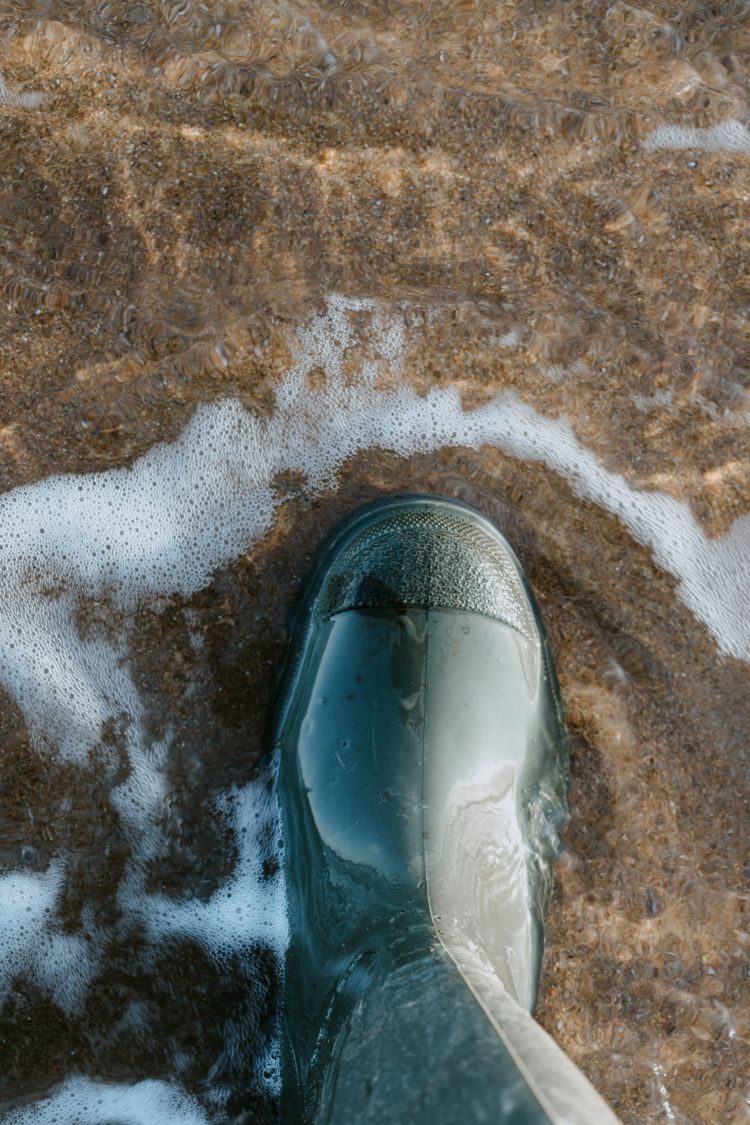
When dealing with floodwater, you should make sure you wear protective clothing like high rubber wellington boots. This will protect you from contamination and injury. Last but not least, please be sure to move any other family members out of the way. In fact, it’s usually best to do this first, and if you have a flood downstairs, you can move them upstairs to safety right away.
Call a plumber
Your next mistake will be to call in a professional to find the reason for the flood. The good news is that a plumber will be able to locate the source of any leaks or breakages that are resulting in water pooling in your home. Most plumbers will look for any pipe damage, as well as broken fixtures, and check whether any of your hidden water systems are leaking. Once they have located the source of the leak, they will be able to fix it and prevent further water from entering your home.
Remove water and dry
The next step after a professional plumber has found and fixed the issue that is causing your flood is to get rid of the water and dry your property out. The best way to get rid of any excess water is to use pumps as soon as possible. These are recommended because they work fast and so minimise any long-term moisture damage such as rot and mould that can occur after a flood.
Windows should also be opened to aid with air circulation, and be sure to run any dehumidifiers you have constantly to get rid of any trapped moisture inside. When it comes to carpets and rugs, removing them and either drying them outside or replacing them is the best bet. Although you should never get the relay until your interior is fully dry.
Repair
Next, you will need to make any repairs to the damage done by the floodwater in your home. This will include replacing damaged materials and contacting your insurance provider to process your claim. This is also the time to look for any possible mold damage, as this can create real health risks in the future.
Prepare ahead for next time
Finally, it’s a good idea to be better prepared for a home flood the next time it happens. To do this, you can do things like use water-resistant materials in your home, so if it does flood, the damage won’t be severe. You can also invest in flood barriers, which can be particularly helpful if you live by the water and struggle with exterior flooding. Most of all, don’t forget to raise any vulnerable appliances on shelves or plinths. This will prevent them from becoming damaged and unusable next time there is a flood.
Top Photo: Image Credit
Leave a ReplyCancel reply