

Korean is one of the most structurally distinctive languages a learner can take on, and most Korean-learning platforms underestimate just how steep that curve really is. Hangul itself clicks fast for most people, but then honorific registers, sentence-ending particles, and agglutinative grammar show up and change everything. Finding enough speaking practice without a native speaker nearby makes it harder still. After reviewing dozens of tools and platforms across the Korean learning space, this guide breaks down five options that actually hold up across different learner goals, from casual K-drama fans to serious TOPIK candidates.
The shortlist methodology
Each platform was assessed using publicly available information pulled from user reviews, feature documentation, community forums, and official websites. Only platforms with a demonstrated track record in real-world language learning made the final cut. Options with thin or unverifiable records were filtered out early.
→ See the full research breakdown
- italki – Best for live Korean conversation practice and speaking fluency
- Memrise – Best for self-directed vocabulary and phrase acquisition
- Librivox – Best for free Korean audiobook listening practice
- FluentU – Best for learning Korean through authentic video content
- Polly Lingual – Best for one-to-one live tutoring with self-paced support
Platforms For Learning Korean as a Strategic Lever for Growth
Picking the wrong Korean learning platform doesn’t just slow progress. It can quietly kill motivation before a learner even reaches conversational level. Hangul may come together in a week, but understanding when to switch between formal and informal speech is the kind of thing that trips up learners for months without the right guidance. Platforms built around Korean structure give learners a real edge here. The best ones track daily active usage rate and streak consistency because consistency matters more than intensity. They also support Hangul reading fluency acquisition time and vocabulary retention rate via spaced repetition, which are the metrics that actually predict whether someone sticks with the language long enough to use it.
Top 5 Platforms For Learning Korean: Specs at a Glance
Note: All data in this table is sourced from review platforms and the official websites of the listed companies.
| Company Name | Years Operating | Headquartered In |
| italki | Since 2007 | Hong Kong |
| Memrise | Since 2010 | London, United Kingdom |
| Librivox | Since 2005 | San Francisco, California |
| FluentU | Since 2011 | Hong Kong |
| Polly Lingual | Since 2016 | Indianapolis, United States |
1. italki – Best for Live Korean Conversation Practice

What Does italki Provide?
italki connects learners directly with native-speaking Korean tutors through one-on-one video lessons. Founded in 2007 and headquartered in Hong Kong, the platform covers more than 130 languages and operates on a flexible pay-per-lesson model. Learners can filter Korean tutors by price, teaching style, availability, and whether they hold professional certification or prefer a conversational approach. Beyond lessons, italki offers community tools like writing correction, language partner matching, and discussion forums that support learners between sessions.
Why Does italki Hold Up for Platforms for Learning Korean?
Speaking Korean with a real person is the one thing app-based tools genuinely can’t replicate. That’s exactly the gap italki fills. The ability to find a tutor who specializes in TOPIK prep, business Korean, or casual conversation means learners aren’t stuck with a one-size-fits-all approach.
The Common Threads in Reviews:
From what the reviews show, learners consistently point to the tutor variety as one of italki’s biggest strengths, especially those who’ve burned through apps and hit a plateau. Quality can shift between tutors since each sets their own style and pricing, so finding the right match takes a session or two. Honestly, that’s a small tradeoff for the live speaking access it provides.
2. Memrise – Best for Self-Directed Vocabulary Acquisition

What Does Memrise Provide?
Memrise is a London-based language learning platform founded in 2010 that covers 24 languages across 200 language combinations, with over 50 million users. The platform pairs spaced repetition methodology with real native speaker video clips, pronunciation feedback, and crowdsourced community content. For Korean learners, this means vocabulary gets reinforced through authentic audio-visual examples rather than plain text drills, which makes retention stick better across the intermediate plateau stage.
Why Does Memrise Hold Up as a Platform for Learning Korean?
Vocabulary dropout is one of the biggest reasons Korean learners stall around the A2 level, and Memrise directly targets that with its spaced repetition engine and native speaker clips. Seeing and hearing real Koreans use a phrase in context changes how the brain files it away compared to flashcard-only methods.
The Common Threads in Reviews:
Memrise has picked up serious recognition, including the Google Play Award for Best App in 2017, which tells you something real about its staying power with users. Learners respond well to its memory technique approach paired with authentic content. The platform works especially well for building vocabulary speed and phrase recognition, though dedicated TOPIK grammar study still benefits from a separate resource.
3. Librivox – Best for Free Korean Audiobook Listening Practice
What Does Librivox Provide?
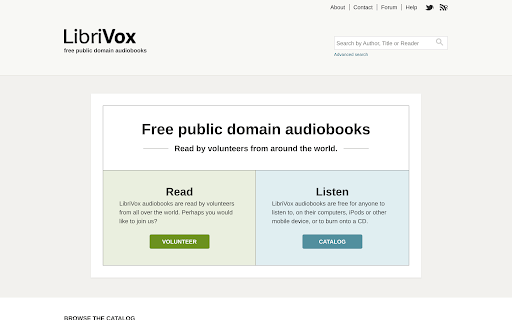
LibriVox is a volunteer-powered organization founded in 2005 in San Francisco that records public domain texts and releases them as free audiobooks across 48 languages. The project has completed over 19,000 audiobooks produced by more than 13,000 contributors globally. For Korean learners, it functions as a listening comprehension resource that exposes learners to varied accents and natural speech patterns across authentic literary texts. The entire catalog is free, ad-free, and donated to the public domain (so there’s no paywall, ever).
Why Does LibriVox Hold Up for Learning Korean Platforms?
Getting enough Korean listening exposure without paying for a subscription is genuinely hard. LibriVox removes that barrier entirely. The variety of volunteer readers means learners hear different pacing and accents, which builds more flexible listening comprehension over time.
The Common Threads in Reviews:
LibriVox has attracted coverage from outlets like the BBC and Wired, which reflects its credibility as a cultural resource rather than just a hobbyist project. Reviews note the obvious tradeoff: audio quality varies because volunteers record from different setups and skill levels. Honestly, that variation isn’t always a bad thing for learners since real-world Korean doesn’t sound studio-perfect either.
4. FluentU – Best for Learning Korean Through Authentic Video Content
What Does FluentU Provide?
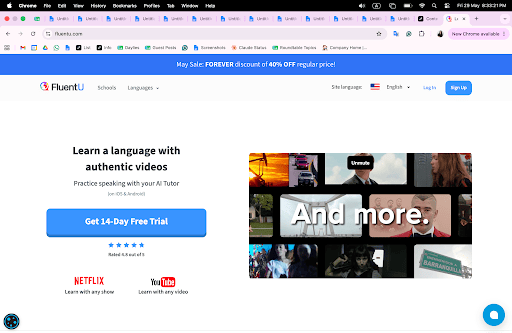
FluentU is a Hong Kong-based platform founded in 2011 that converts authentic video content, including movies, music videos, TV shows, and news clips, into structured language lessons. The platform features interactive subtitles, an integrated dictionary with context-specific definitions, and an intelligent learning engine that adapts to user progress. One subscription covers access to 9 languages, making it a strong option for learners who want Korean alongside another target language without paying multiple fees.
Why Does FluentU Hold Up for Platforms For Learning Korean?
Korean entertainment is one of the most powerful motivators for learners globally, and FluentU turns that motivation into actual lesson material rather than just passive watching. Seeing vocabulary land inside a real drama scene, with an instant definition attached, speeds up comprehension in a way textbook sentences don’t.
The Common Threads in Reviews:
FluentU earns consistent praise for its approach to context-driven vocabulary learning, particularly among learners who find pure grammar study demotivating. What’s genuinely clever about its model is that the content itself becomes the curriculum rather than supplementary material. That said, it works best for intermediate learners who already know Hangul and sentence structure.
5. Polly Lingual – Best for One-to-One Live Tutoring With Self-Paced Support

What Does Polly Lingual Provide?
Polly Lingual, based in Indianapolis and founded in 2016, runs a hybrid tutoring platform that pairs algorithm-driven interactive lessons with live sessions led by native-speaker tutors, called language ambassadors. The Polly Passport subscription adds self-paced learning tools, including bookmarked word lists, verb tense review, and cross-language progress tracking. Their ambassador network focuses on pronunciation, conversation practice, and regional dialect awareness, with pricing starting at $2.99 per month (notably affordable compared to most live tutoring options).
Why Does Polly Lingual Hold Up for Platforms For Learning Korean?
Pronunciation in Korean is particularly tricky because subtle differences in aspiration and vowel length carry real meaning, and live ambassador feedback catches those errors in ways automated tools miss. The hybrid model means learners aren’t locked into purely scheduled sessions when life gets busy.
The Common Threads in Reviews:
Polly Lingual sets itself apart from competitors like Busuu and Tandem by pairing algorithmic lesson structure with real human guidance in the same platform. The accessible price point draws in learners who want live instruction without committing to premium tutoring rates. That kind of combination is rare in this price range, and it’s worth flagging for budget-conscious learners building toward conversational fluency.
Why These Picks Made the List
What to Collect Before You Begin
The research started by casting a wide net. Directories, language-learning community forums, app review platforms, and official product websites were all sourced to build a longlist of platforms with a footprint in the Korean language-learning space. The goal at this stage wasn’t to judge quality yet. It was to collect enough raw material to compare platforms across different learner needs, from Hangul acquisition speed to TOPIK-specific prep tools.
Eligibility Review: Screening the Top Prospects
Once the longlist was assembled, platforms with limited or unverifiable track records were removed. Review patterns were analyzed across multiple sources rather than relying on any single rating or testimonial. Platforms that showed consistent engagement from real learners, reflected in depth of learner reports rather than volume alone, moved forward. Those with thin documentation or unclear feature sets were dropped at this stage.
Confirmation Through Research and Documentation
Each shortlisted platform was then cross-referenced. Claims made on official websites were checked against what actual users reported in reviews and community discussions. Where a platform said it offered structured Korean lessons or pronunciation feedback, the research looked for real-world confirmation of that claim in learner experience reports. Discrepancies between marketing language and user-reported outcomes were flagged and weighed in the final assessment.
Industry Contribution and Visibility
Platforms that had earned mentions in recognized publications, won app store awards, or contributed original research to the language learning field were given additional weight. This wasn’t about popularity for its own sake. Visibility in credible outlets tends to reflect a platform’s staying power and quality floor. LibriVox’s BBC and Wired coverage, and Memrise’s Google Play Award both signaled that these platforms had earned external recognition beyond self-promotion.
Direct Evidence in Platforms For Learning Korean
The final filter focused on Korean language learning evidence. Platforms were assessed on whether they had dedicated Korean content, tutor networks with Korean native speakers, or documented learner outcomes tied to Korean proficiency. Generic multilingual platforms without specific Korean depth were deprioritized. Only platforms with clear, demonstrable relevance to Korean learner needs, including speaking fluency, vocabulary retention, and listening comprehension development, made the final five.
Selection Tips for Choosing Platforms For Learning Korean
Choosing a Korean learning platform comes down to matching the tool to where you actually are in your learning journey and what outcome you’re working toward. A platform that’s great for Hangul beginners might lack the depth for someone preparing for TOPIK Level 4.
- Industry/Domain Experience: Look for platforms with a specific track record in Korean, not just general multilingual platforms. Depth in Korean content, tutor availability, and learner community size all matter.
- Features and Service Options: Check whether the platform covers the skills you actually need, whether that’s speaking practice, spaced repetition vocabulary, listening immersion, or grammar instruction for TOPIK preparation.
- Pricing Structure: Platforms range from free (LibriVox) to pay-per-lesson (italki) to monthly subscriptions (Memrise, FluentU, Polly Lingual). Match the pricing model to how consistently you plan to study.
- Results Measurement: The best platforms give you visibility into your progress through metrics like vocabulary retention rate, lesson completion tracking, or practice test score improvement.
- Industry Knowledge and Compliance: Platforms aligned with CEFR language framework benchmarks or that explicitly prepare learners for TOPIK certification standards offer more structured paths to measurable proficiency.
Key Points to Remember
Choosing the right platform for learning Korean isn’t about finding the most feature-packed tool. It’s about matching the platform to your specific goals, whether that’s conversational fluency, TOPIK certification, or simply understanding your favorite K-drama without subtitles. Live tutoring, spaced repetition, authentic video content, and free audiobook listening all serve different needs. The learners who progress fastest combine more than one approach and stay consistent. That daily active usage rate matters more than any single session.
Top photo: Image Credit
Leave a Reply