
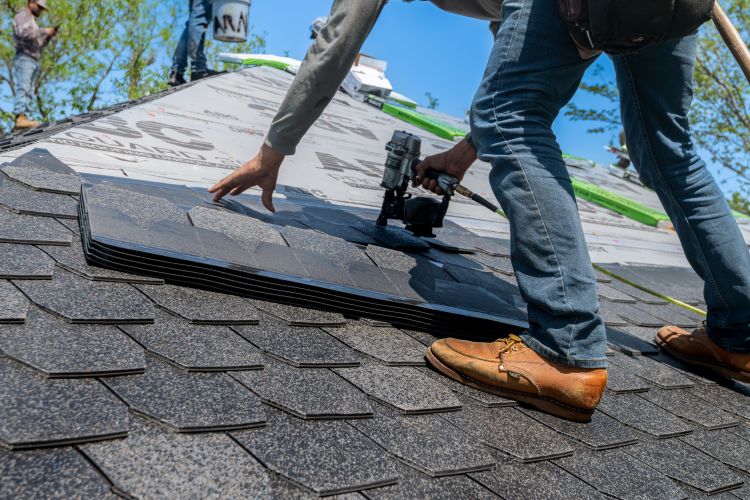
Homeowners in Northbrook, IL face a tough mix of weather every single year, from heavy lake-effect snow in winter to sudden, fast-moving thunderstorms in summer. Through all of it, the roof takes the first hit. Most people think about protecting their home by focusing on walls, floors, and furniture, but none of that effort really holds up if the roof above it is quietly failing.
Before spending money on paint, flooring, or new furniture, it makes sense to look up first. A strong, well-maintained roof is what keeps everything underneath it safe, dry, and in good shape for years to come.
1. Your Roof Is the First Line of Defense
Think of your roof as a shield. It blocks rain, snow, wind, and sun before any of it reaches the inside of your home. When that shield has even a small weak spot, water finds its way in slowly, often without anyone noticing right away. By the time a stain shows up on the ceiling, the damage underneath may already be spreading through the insulation, wood framing, and drywall.
2. Early Warning Signs You Shouldn’t Ignore
A roof rarely fails overnight. It usually gives small hints first, and it pays to know what to look for:-
• Curling, cracked, or missing shingles
• Granules collecting in the gutters
• Water stains or discoloration on ceilings
• A musty or damp smell in the attic
• Daylight visible through attic boards
Catching these signs early is far cheaper than dealing with the water damage they eventually cause.
3. How a Small Leak Turns Into a Big Interior Problem
A tiny leak rarely stays tiny. Water travels along beams and insulation, often showing up far from where it actually entered, which is exactly why interior damage feels sudden even though the real problem started months earlier. According to the Insurance Information Institute, water damage and freezing claims made up roughly 22.6% of all home insurance claims between 2019 and 2023, with an average claim cost of more than $15,000. That single number alone makes a strong case for catching roof issues early.
4. What Happens Inside When the Roof Fails
Once water gets past the roofline, the damage rarely stops at one spot. Homeowners often end up dealing with:-
• Peeling paint and bubbling wallpaper
• Warped or buckling hardwood floors
• Soaked, ineffective insulation
• Mold growth inside walls and ceilings
• Added risk near electrical wiring
Each of these problems adds to the final repair bill, and some, like mold, can also affect indoor air quality.
5. Why Professional Roof Inspections Matter
Scheduling a seasonal roofing Northbrook IL inspection before winter storms is a smart way to protect your home. A professional inspection can identify small issues early, helping you avoid costly repairs later.
Companies like Lakeland Exteriors & Roofing often catch small problems, such as lifted shingles or worn flashing, before they ever turn into a costly indoor repair. A trained inspector knows exactly where leaks tend to start and can spot trouble in spots most homeowners never think to check.
6. Protecting Your Home’s Value From the Top Down
A roof in poor condition can quietly lower a home’s value, even if everything inside still looks fine for now. Buyers and inspectors notice roof age and condition fairly quickly during a sale. Fixing the roof first protects both your interior finishes and your home’s long-term resale value, since repairs done after water damage sets in almost always cost more than prevention would have.
7. A Simple Checklist Before the Next Storm Season
Before the next big storm rolls through Northbrook, take a few minutes to:
• Clean out gutters and downspouts
• Check attic insulation and ventilation
• Look at flashing around chimneys and vents
• Schedule a professional roof inspection once a year
Small habits like these go a long way toward keeping the inside of your home dry and undamaged.
8. Why Acting Early Saves Money in the Long Run
Roof repairs almost always follow the same pattern: the longer you wait, the more expensive the fix becomes. A small section of damaged flashing might cost a few hundred dollars to repair today. Left alone through a Northbrook winter, that same weak spot can lead to soaked attic insulation, damaged drywall, and even electrical repairs, easily multiplying the original cost several times over. Acting on a small problem now is almost always the cheaper path.
This is especially true in areas with harsh seasonal swings. Freeze-thaw cycles expand and contract roofing materials again and again throughout the winter, slowly widening any existing gap. A roof that seemed fine in October can develop real problems by February if nothing was checked in between.
9. What Homeowners Can Do Between Inspections
You don’t need to wait for a professional visit to keep an eye on things. A few simple habits between inspections can help you catch trouble early:
• Walk the perimeter of your home after major storms to look for debris or shingles on the ground.
• Glance at the attic ceiling occasionally for new stains or damp spots.
• Keep tree branches trimmed back away from the roofline.
• Note any sudden change in indoor humidity or musty smells.
None of these take more than a few minutes, but together they make it far less likely that a problem will go unnoticed for long.
Final Thoughts
Fixing the roof first isn’t only about avoiding leaks. It’s about protecting every wall, floor, and piece of furniture inside the home from damage that often starts unnoticed. A little attention at the top, paired with a yearly inspection and a few simple habits in between, can save Northbrook homeowners a lot of stress, and a lot of money, on the inside.
Top Photo: Image Credit
Leave a Reply