
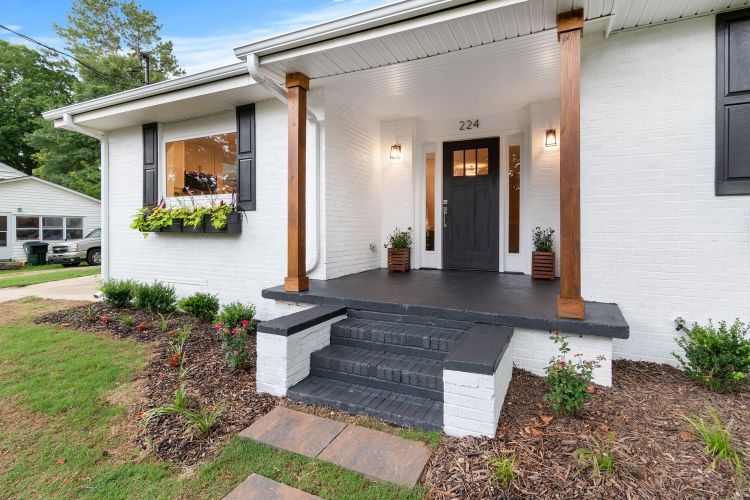
A front yard is the first thing anyone sees, yet it is often the last thing we set aside money for. If you are working with a small budget on Long Island, where lot sizes and tastes shift wildly from one block to the next, the pressure to keep up with the neighbours can feel very real.
Here is the reassuring part: a great front yard depends far more on smart planning than on big spending. With a clear plan and a little patience, you can build a polished, welcoming look without draining your savings. Here is how to do it, step by step.
1. Sketch a Simple Plan First
Before you buy a single plant, grab a sheet of paper and roughly draw out your yard. Mark the house, the front path, the sunny spots, and the shady corners that barely see light. A simple map like this stops impulse purchases at the garden centre and keeps you from planting something that will quietly struggle in the wrong place.
Planning on paper costs you nothing at all, and yet it tends to save more money than any other single step in this whole list. Measure twice, plant once. It also helps to walk outside and look at your home from the street, because that is the exact view you are really designing for.
2. Know What Actually Adds Value
Not every upgrade pays you back, so it makes sense to spend where it truly counts. Strong curb appeal is not only for sellers either, though it certainly helps when that day comes. A widely cited Virginia Tech study found that well-planned landscaping can raise a home’s perceived value by 5.5 to 12.7 percent compared with a property left bare.
That means thoughtful, deliberate choices at the front of the house are best seen as an investment rather than simple decoration you can take or leave.
3. Use What You Already Have
Take a proper look around your own garden before you head out to shop. More often than you would think, you can save real money by reusing what is already growing:
• Divide existing perennials to fill empty beds for free
• Move overgrown plants to better spots instead of buying new ones
• Collect fallen leaves to make your own mulch and compost over time
Working patiently with what is already there stretches a small budget a surprisingly long way and gives your yard a settled, established feel.
4. Budget-Friendly Plants & Greenery
Native plants are the budget gardener’s quiet secret weapon. They tend to be cheaper to buy, far hardier, and they need much less water and fuss because they already belong in your local climate. Leaning toward native species when you map out your landscaping usually means fewer dead plants to replace and noticeably lower water bills year after year, which adds up fast on a tight budget.
Helpful guides from Growing Solutions Landscaping & Design can point you toward the right low-maintenance plants for your particular soil, light, and yard size. Group a few of the same plant together rather than buying one of everything, and the front of the house instantly looks more designed and far less random.
5. Add Mulch for an Instant Lift
Few things transform a tired front yard as cheaply and quickly as a fresh layer of mulch. A handful of bags will tidy up your beds, lock moisture into the soil, suppress weeds, and make the whole space look intentional and cared for.
It is the closest thing a garden has to a fresh coat of paint: low effort, low cost, and a genuinely high visual impact that anyone walking past will notice straight away. Choose a natural, dark shade that makes your plants and lawn pop, and top it up once a year to keep the whole yard looking freshly finished.
6. Build It Out in Phases
You absolutely do not have to finish everything in one exhausting weekend. Tackle the yard in stages instead, spreading the cost comfortably across several paydays or even seasons. Start with the highest-impact area right by the front door, where it earns the most attention, then expand outward as your funds allow.
Phasing the work like this keeps the project affordable, far less stressful, and much less overwhelming than trying to do it all at once and burning out halfway. It also gives you time to see how plants settle in before committing more money, so you can adjust the plan as you learn what thrives in your particular yard.
7. Do the Easy Jobs Yourself
Labour is frequently the single biggest line on any quote, so handle the simple tasks with your own hands wherever you can. Spreading mulch, planting small shrubs, edging the beds, and weeding are all genuinely beginner-friendly jobs that need more patience than skill.
Save the hired professionals for the heavy or technical work, like tree removal, large stonework, or grading, where a small mistake can quickly turn into an expensive one you cannot easily undo. Knowing where your own skills end is just as valuable as the work you take on yourself, and a clear split keeps both your yard and your budget safe.
Final Thoughts
A beautiful front yard on a budget really comes down to three things: planning before purchasing, choosing plants that work with nature instead of against it, and tackling the project at a pace you can comfortably afford.
Start small, stay consistent through the seasons, and your yard will keep quietly improving year after year, without the financial stress that sends so many ambitious plans straight into the bin. The neighbours will assume you spent a fortune, and only you will know how little it actually took.
Top Photo: Image Credit
Leave a Reply