
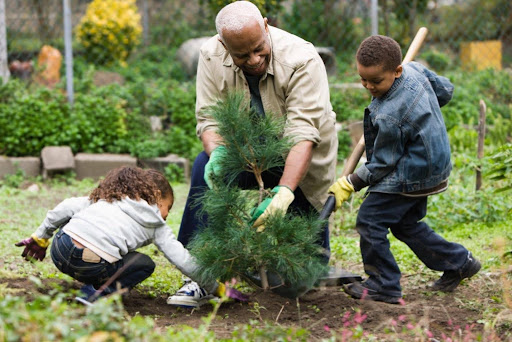
A backyard is more than a place for children to play. It is a living ecosystem where plants, insects, birds, soil organisms, and small animals depend on one another to thrive. For families, spending time outdoors offers opportunities to encourage curiosity while teaching children how nature works through everyday observation.
Healthy Soil Supports Healthy Life
Everything begins beneath the surface. Healthy soil contains earthworms, fungi, bacteria, and other tiny organisms that recycle nutrients and help plants grow. These natural processes improve soil quality while supporting flowers, shrubs, trees, and lawns.
Parents can introduce children to composting by collecting fruit and vegetable scraps for a backyard compost pile. Watching food scraps transform into nutrient-rich compost provides a simple lesson about natural recycling and plant growth.
Plants and Wildlife Work Together
A variety of plants attracts many helpful visitors. Flowering plants provide nectar for bees and butterflies, while shrubs and trees offer shelter for birds and other wildlife. Pollinators play an essential role in helping many plants produce seeds and fruit.
Adding native plants to the landscape encourages species that naturally belong in the local environment. Bird feeders, birdbaths, and flowering gardens also give children opportunities to observe wildlife throughout the changing seasons. Simple observations can become enjoyable family activities while supporting local biodiversity.
Caring for Trees Benefits the Whole Yard
Trees contribute shade, cleaner air, wildlife habitat, and cooler outdoor spaces during warm weather. Healthy trees also help stabilize soil and reduce erosion after heavy rainfall.
Parents should regularly inspect trees for broken branches, signs of disease, or storm damage that could affect safety. When larger maintenance needs arise, a qualified tree service professional can evaluate tree health and recommend appropriate care to preserve mature trees whenever possible.
Turn Outdoor Time Into Family Learning
Children often learn best through direct experience. Looking for butterflies, identifying bird calls, planting flowers, or watching seasonal changes encourages observation and curiosity while reducing screen time.
Keeping a simple nature journal or taking photographs of backyard discoveries helps children recognize how plants and wildlife change throughout the year. These small activities encourage patience while creating meaningful family memories.
Every yard contains an interconnected community of living things. By supporting healthy soil, diverse plants, thriving trees, and local wildlife, families create outdoor spaces that are both enjoyable and educational. Check out the infographic below to learn more.
Top photo credit: Microsoft Stock Images

Leave a Reply