
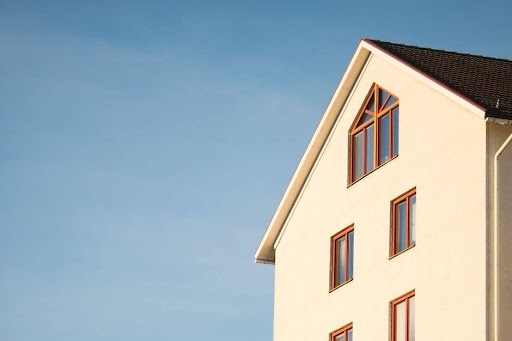
Your windows do more than let in sunlight and give you something to stare through during a rainstorm. They affect your energy bills, comfort, noise levels, and even your home’s value. If your house feels drafty, looks dated, or struggles to stay comfortable through the seasons, your windows may be part of the problem. A smart upgrade can improve daily life in ways you notice immediately and in a few ways your utility bill notices first.
Your energy bill often tells the story first
Old windows have a talent for quietly draining money. You may not notice the problem at first, but your heating and cooling system definitely does. If one room feels like a freezer in January and a toaster in July, poor insulation around aging windows could be the culprit.
Watch for these signs:
– Rising energy bills without a clear reason
– Drafts near closed windows
– Rooms with uneven temperatures
– HVAC systems running longer than usual
Modern windows are built with better glazing, tighter seals, and more efficient frames. If you’re considering window replacement, it helps to think beyond appearance. Better windows can reduce heat transfer, improve indoor comfort, and ease the workload on your HVAC system. That is less wasted energy and fewer arguments over the thermostat.
Drafts and outside noise are harder to ignore than you think
A tiny draft can make a room feel off all day. Even when the air leak seems minor, it can affect how comfortable your space feels, especially near beds, desks, or couches. The same goes for outside noise. If traffic, barking dogs, or a neighbor’s leaf blower sounds like it’s happening in your living room, your windows may not be doing their job.
A simple test helps. On a windy day, hold your hand near the edges of the window frame. If you feel moving air, you likely have seal failure or frame issues. For sound, pause and notice whether noise drops when you move away from the window. If it does, your glass may be thin or outdated.
Newer windows often include double- or triple-pane glass and insulating gas fills. Fancy name, practical result. You get a quieter, more stable indoor environment without needing your TV volume set like a movie theater.
Visible damage usually means the problem is already advanced
Some window issues are subtle. Others are not subtle at all. If you see warping, cracked panes, water stains, rotting trim, or condensation trapped between layers of glass, your windows are sending a fairly direct message.
Keep an eye out for:
– Cracked or chipped glass
– Soft, rotting wood around frames
– Fogging between panes
– Windows that stick, jam, or refuse to stay open
– Water damage around sills or walls
Fogging between panes often means the seal has failed, which reduces insulation performance. Rot around the frame can lead to moisture problems that spread into surrounding walls. A stuck window is more than annoying. It can also become a safety issue during an emergency.
At that stage, repair may be a short-term patch rather than a real fix. Replacing damaged units can prevent bigger structural issues and save you from chasing one problem after another.
Your home’s style and resale value matter more than people admit
Windows have a huge effect on curb appeal. They shape how your home looks from the street and how rooms feel from the inside. Old, mismatched, or visibly worn windows can make the entire property seem tired, even if the rest of the home is in solid shape.
If you’re planning to sell in the next few years, buyers tend to notice windows quickly. They’re looking for signs of maintenance, efficiency, and long-term value. New windows can make a home feel more updated and move-in ready. That matters in listing photos, open houses, and inspections.
Inside the house, larger glass areas and slimmer modern frames can also improve natural light. A brighter room usually feels cleaner, bigger, and more inviting. That is not real estate magic. It’s just good design doing its job.
Even if you’re not selling soon, you still live there every day. Your house should not look like it gave up in 2009.
Choosing the right replacement takes more than picking what looks nice
Once you know your windows need attention, the next step is choosing replacements that fit your climate, budget, and house style. This part deserves a little patience. Not all windows are created equal, and the wrong choice can leave you with expensive regret wrapped in nice trim.
Focus on practical factors such as:
– Frame material like vinyl, fiberglass, wood, or aluminum
– Energy performance ratings
– Window style, including double-hung, casement, picture, or slider
– Installation quality and warranty coverage
For colder climates, low-E glass and insulated frames can help retain indoor heat. In hotter areas, solar heat gain performance matters more. If your home gets strong afternoon sun, glazing options become especially important.
Also think about lifestyle. Easy-clean designs are useful if you hate ladders. Casement windows can catch breezes well if you want more natural ventilation. Good installers matter just as much as the product, because even great windows can underperform if they’re poorly fitted.
Timing, budget, and planning can make the project much smoother
A window project feels less intimidating when you break it into steps. Start by identifying your biggest pain points. Maybe the bedrooms are drafty, or the front windows have obvious seal failure. You do not always need to replace every window at once, though full-home projects can create the most consistent performance and appearance.
Before committing, get estimates and compare:
– Product quality
– Installation methods
– Project timeline
– Warranty terms
– Cleanup and post-install support
Ask how long the work will take and whether interior trim or exterior siding adjustments are included. Those details affect both budget and expectations. If your home is older, ask whether installers anticipate hidden issues once the old units come out.
Season also matters. Spring and fall are popular for obvious reasons, but scheduling during slower periods may offer more flexibility. A well-planned project reduces surprises, keeps disruption manageable, and helps you invest with confidence rather than crossing your fingers and hoping for the best.
A smart upgrade improves comfort long after installation day
New windows are not just a cosmetic improvement. They affect how your home feels every morning, every season, and every time the weather gets dramatic. Better insulation, smoother operation, less outside noise, and stronger curb appeal all add up to a house that works better for you.
If your current windows are drafty, damaged, noisy, or visibly aging, waiting rarely makes them improve with maturity. They are windows, not fine cheese. Paying attention to the warning signs early can help you avoid higher energy costs, moisture damage, and frustrating comfort issues.
Take a realistic look at how your home performs right now. If your windows are making daily life harder, replacing them may be one of the most practical upgrades you can make. Comfort and efficiency are not glamorous buzzwords when you can feel the difference from the couch.
Top Photo Source: Pexels
Leave a Reply