
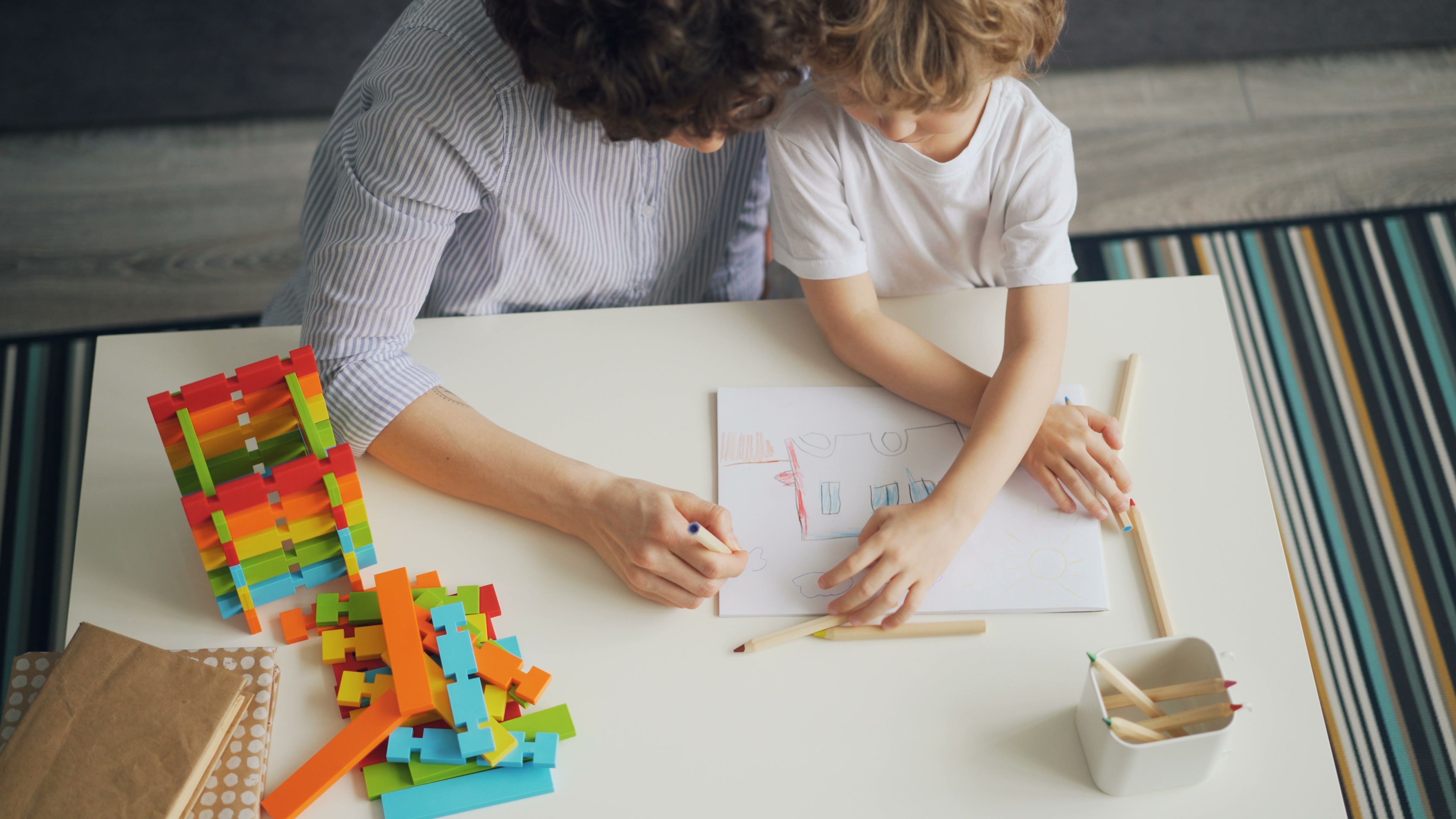
For a child, learning does not stop when a therapy session ends. Getting dressed, asking for help, waiting for a turn, following directions, and moving from one activity to another are all part of daily life. These skills can also affect how comfortably a child takes part in family routines and school activities.
This is where ABA therapy can be useful. Applied behavior analysis focuses on understanding behavior and teaching skills that can support communication, learning, social interaction, and daily functioning. The CDC notes that ABA is one of the behavioral approaches used to improve a variety of skills for children with autism.
For families in New Jersey, the goal can be to make those skills useful beyond the therapy setting. Here are some ways ABA can support that process.
1. Building Skills Into Everyday Routines
Children often learn best when a new skill has a clear purpose in their daily lives. Getting dressed, brushing teeth, eating a meal, putting toys away, or preparing to leave the house can all become opportunities to practice skills. Instead of treating these activities as separate from therapy, they can become part of the learning process.
For example, a child who is learning to communicate needs may practice asking for help during breakfast or playtime. A child working on independence may practice completing parts of the morning routine with less assistance.
The advantage is that the child can see why the skill is useful. The learning happens within something familiar rather than in an isolated exercise.
2. Making Transitions Easier
Moving from one activity to another can be difficult for some children. Leaving a favorite toy, getting ready for school, stopping screen time, or moving from the classroom to another activity can all require adjustment.
ABA therapy can help children learn ways to handle these transitions. A therapist may work on following a visual schedule, responding to a direction, communicating that they need more time, or moving between activities with fewer difficulties. These skills can then be practiced in different settings.
This is important because the morning routine at home may look very different from a classroom transition. The basic skill may be the same, but the child needs to learn how to use it when the surroundings change.
3. Supporting Communication and Asking for Help
Communication is a major part of everyday independence. A child needs ways to express wants, needs, questions, discomfort, and frustration. ABA programs can work on communication skills that are useful during normal interactions. Depending on the child’s needs, this might include using spoken words, gestures, pictures, or another communication system.
A child may practice asking for a preferred toy during therapy, then use that same skill to ask a parent for help opening something at home. At school, the skill could help the child communicate with a teacher or ask to join an activity. The point is to build communication that works in different situations, not only with one therapist.
4. Helping Children Become More Independent
Independence does not happen all at once. It usually develops through many small steps. A child might first learn to pick up a toothbrush, then put toothpaste on it, and then brush with less help. Another child might learn to put on one item of clothing independently before working toward completing the whole routine.
Breaking a larger task into manageable steps through ABA therapy can make progress easier to see. It also gives children opportunities to practice skills repeatedly until they become more familiar. For example, Hand Over Hand’s approach to ABA therapy in New Jersey specifically focuses on skills within everyday routines such as meals, playtime, transitions, bedtime, and interactions with family members. The program also involves parents and caregivers by sharing strategies that can be used outside therapy sessions. That matters because much of a child’s learning happens during ordinary moments.
5. Practicing Social Skills Before School
School involves constant interaction with other people. Children may need to take turns, share materials, follow group directions, join games, or wait while another child is speaking. These skills can take practice, especially when social situations are unfamiliar or unpredictable.
ABA therapy may provide opportunities to work on turn-taking, playing with others, responding to peers, and participating in group activities. The CDC notes that behavioral approaches such as ABA can be used in school and other settings, which supports the idea that learning can extend beyond a therapy room.
For a child preparing for school, practicing these situations ahead of time can provide a useful starting point. The goal is not to make every interaction look the same. It is to give the child more ways to participate.
6. Connecting Home and School Support
One of the biggest challenges can be keeping expectations consistent between home, therapy, and school. A child may learn a useful skill in one setting but struggle to use it somewhere else. That does not necessarily mean the skill has been lost. The child may simply need more practice using it under different conditions.
In certain cases, ABA therapy may include home-based therapy as well as school-based support and consultation. This approach typically involves working with families and educators so therapy goals can connect with everyday routines and classroom experiences. Parents, therapists, and educators can share information about what the child is working on and look for opportunities to practice those skills throughout the day. That kind of coordination can make it easier for a child to see the same skill in different parts of life.
Final Thoughts
ABA therapy can support children with skills that reach far beyond the therapy session. Communication, transitions, social interaction, self-care, and independence can all be connected to what happens at home and school.
For parents, one useful question is not simply what a child is learning during therapy, but how that skill can be used at home, in school, and in other parts of daily life. When those settings work together, therapy can become part of a child’s everyday learning rather than something that feels separate from it.
Top photo image credit
Leave a Reply