
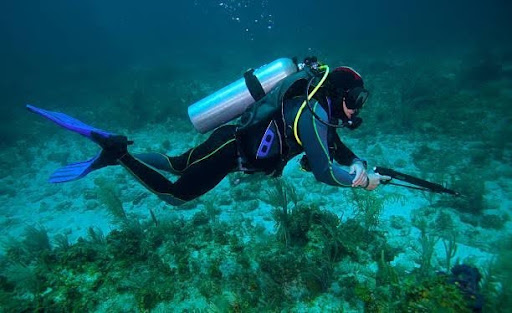
Spearfishing in the Florida Keys differs from traditional fishing because it requires divers to locate and approach fish underwater before making a precise shot. Instead of relying on rods, hooks, and bait, spearfishers use specialized equipment and underwater observation.
The Florida Keys are a chain of islands off the southern tip of Florida, extending southwest from the Miami area toward Key West. Surrounded by the Atlantic Ocean to the east and the Gulf of Mexico to the west, the region is known for its clear waters, coral reefs, and diverse marine habitats. Conditions vary by location, depth, visibility, and currents, making preparation important for every trip.
A Florida Keys spearfishing charter can help participants explore suitable locations while learning about equipment, local conditions, and responsible harvesting practices. Guided trips can also help newcomers understand the preparation involved before entering the water.
Here are the main differences between spearfishing and traditional fishing.
An Underwater Approach
Traditional fishing usually involves casting a line and waiting for fish to take bait or artificial lures. Spearfishing requires swimmers or divers to observe fish in their natural environment and approach them carefully. This makes patience, underwater awareness, and accurate judgment especially important.
Specialized Equipment
Traditional anglers generally use fishing rods, reels, lines, hooks, and bait. Spearfishers instead use equipment such as spearguns or pole spears, masks, fins, and snorkels or diving gear, depending on the method. Proper training and equipment checks are essential for safe participation.
Different Skills and Physical Demands
Traditional fishing can often be enjoyed from a boat, shoreline, or pier with limited physical exertion. Spearfishing may involve swimming, diving, breath control, and managing movement underwater. Participants must understand their limits and avoid diving beyond their training or comfort level.
Reef Environments and Fish Behavior
The Florida Keys contain varied marine habitats where fish shelter, feed, and move throughout the day. Traditional anglers can target fish from the surface, while spearfishers must identify suitable underwater opportunities.
Recognizing species and understanding their behavior helps participants make informed decisions without disturbing marine habitats.
Regulations and Responsible Harvesting
Both methods are subject to Florida fishing regulations, but spearfishing has additional restrictions concerning permitted equipment, species, and locations. Protected areas may prohibit spearfishing, and certain fish cannot be harvested regardless of the method used.
Checking current Florida Fish and Wildlife Conservation Commission rules before a trip helps prevent violations and supports conservation.
Planning a Guided Trip
A guided trip can simplify
- Location selection
- Equipment preparation
- Understanding local conditions
Captains can explain relevant regulations and help participants identify suitable options based on their experience. Visitors should still confirm licensing requirements, permitted species, and safety expectations before departure.
The Main Takeaways
- Spearfishing involves locating and approaching fish underwater rather than casting a line.
- Specialized equipment and diving skills distinguish it from traditional fishing.
- Florida Keys reefs provide diverse habitats that require careful observation during Florida Keys spearfishing trips.
- Local regulations determine where spearfishing is allowed and which species may be harvested.
- Proper preparation and responsible practices help make the experience safer and more sustainable.
Leave a Reply