
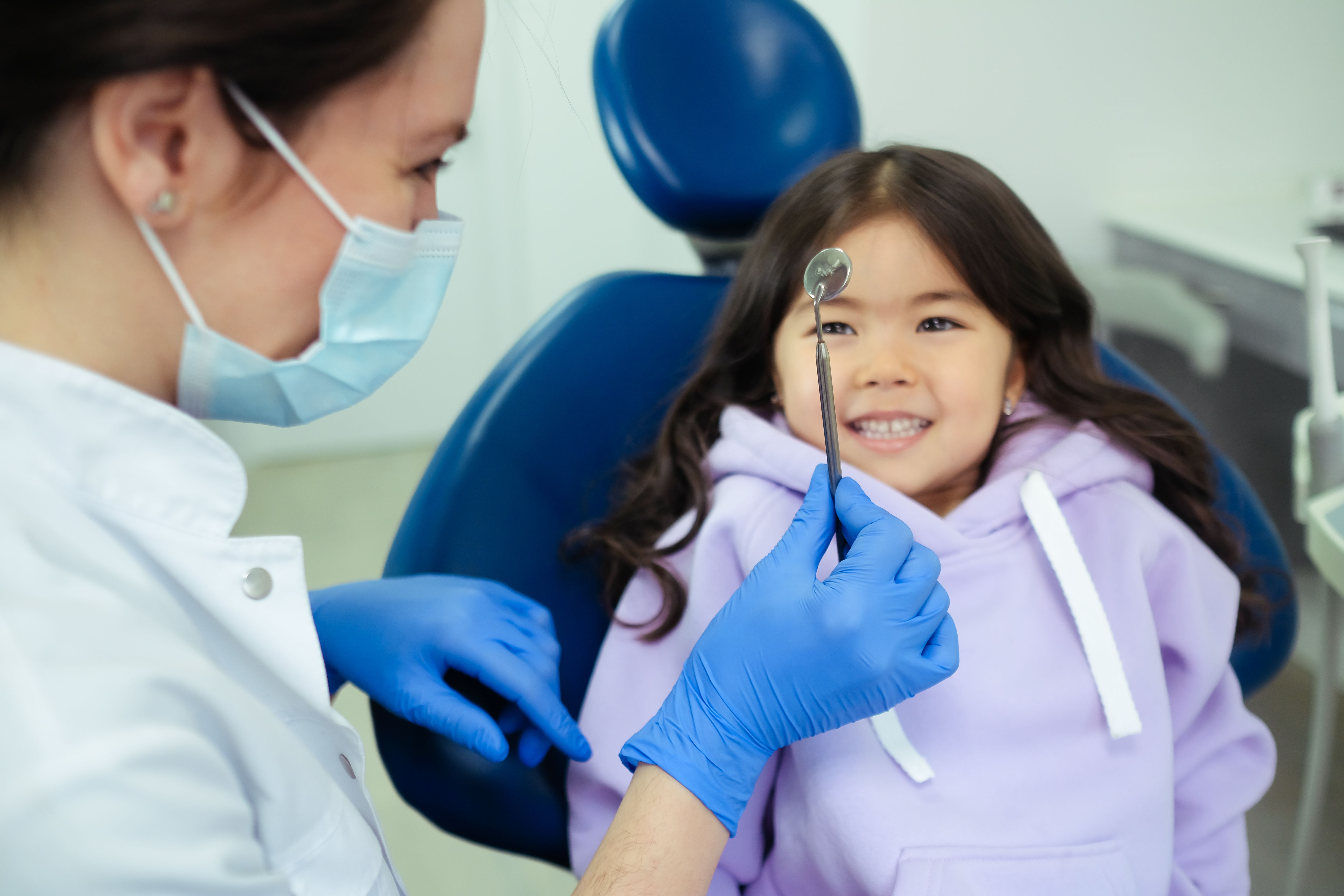
Between school routines, meals, and after-school activities, parents have plenty to keep track of. Oral health is one more thing on the list, and finding a welcoming children’s dentist can make dental appointments much easier for everyone.
It is normal for young children to feel unsure about sitting in an unfamiliar dental chair. The good news is that a little preparation can go a long way. Whether your child is heading to their first checkup or a routine cleaning, these simple strategies can help make the visit feel calmer and more positive.
1. Start Early to Build Healthy Habits
Many dental professionals recommend that children have their first dental visit when their first tooth appears or by their first birthday, whichever comes first. Early visits give children a chance to get used to the clinic, meet the dental team, and learn that checkups are a normal part of staying healthy.
These early appointments are usually simple. They help the dentist check that teeth and gums are developing well and give parents practical advice for home care.
2. Play “Pretend Dentist” at Home
Children often feel more comfortable with new experiences after they have practiced them through play. At home, let your child lie back while you gently count their teeth with a soft toothbrush. Then swap roles and let them “check” your teeth.
Picture books about dentist visits can also help. They give children a familiar story to refer to before the appointment, which can make the real visit feel less unfamiliar.
3. Keep Explanations Simple and Positive
When talking about an upcoming appointment, keep the explanation short and upbeat. Avoid words such as “pain,” “hurt,” or “shot,” since they can create worry even when no treatment is planned.
Instead, explain that the dentist helps keep teeth clean and strong. You might say the dentist will count their teeth, clean away food that brushing missed, and make sure their smile stays healthy.
4. Choose a Family-Focused Dental Team
A calm, child-friendly dental practice can shape how children feel about oral care. Look for a team that explains things gently, moves at a comfortable pace, and helps children feel included during their visit.
For toddlers, some dentists use a knee-to-knee examination, where the child sits across the parent’s and dentist’s laps. For older children, preventive care may include fluoride treatments, dental sealants, or a mouthguard for sport.
5. Establish Healthy Daily Habits at Home
Good dental habits start at home. Children should brush twice a day for two minutes with a soft, age-appropriate toothbrush. Young children usually need an adult to help or closely supervise brushing, often until around age 6 to 8, depending on how well they can brush and spit out toothpaste.
Use fluoride toothpaste in the amount recommended for your child’s age. A rice-grain-sized smear is commonly advised for children under 3, while children aged 3 and older usually use a pea-sized amount. A two-minute timer, a favorite song, or a simple brushing chart can make the routine easier to keep up.
A Healthy Smile Starts with Small Steps
Helping children feel comfortable at the dentist does not require anything complicated. Start visits early, keep the conversation positive, practice at home, and choose a dental team that puts children at ease. Over time, these small habits can help your child approach dental care with confidence.
Top Photo: Image Credit
Leave a Reply