
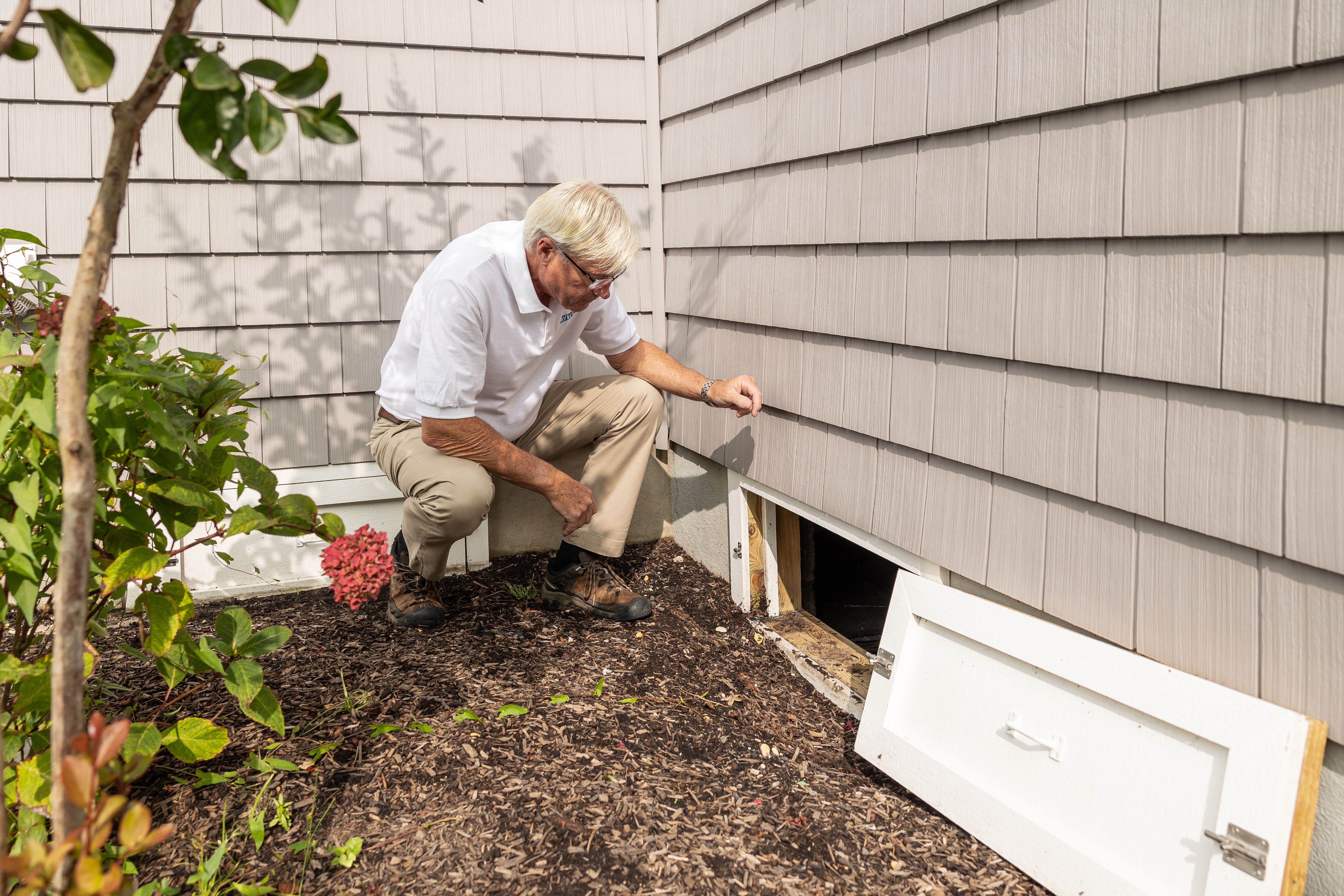
You probably notice pests only when they become obvious: ants on the counter, wasps near the eaves, or scratching in the walls at night. What’s easy to miss is how much your home’s layout, moisture levels, and even neighborhood tree cover influence those problems. In places like Bon Air, Virginia, older homes, humid summers, and dense landscaping create very specific pest pressures. Once you understand those patterns, you can make smarter decisions before a small issue turns expensive.
Your house has a pest profile whether you’ve mapped it or not
Every home has conditions that make certain pests more likely. Crawl spaces with poor vapor barriers invite moisture-loving insects. Overfilled gutters support mosquito breeding. Firewood stacked against siding gives termites and carpenter ants a staging area.
You can think of this as your home’s pest profile: access points, food sources, water sources, and sheltered nesting zones. A brick ranch with mature shrubs has a different risk pattern than a newer townhouse with shared walls. In suburban parts of Chesterfield County, that profile often includes shaded yards, leaf litter, and seasonal humidity.
When you start looking at your home this way, pest control stops being random. You’re not just reacting to bugs. You’re identifying the operational weak spots that pests exploit again and again.
Bon Air’s climate and housing stock create a very specific set of problems
Bon Air isn’t dealing with a generic pest environment. Warm months are long enough to support persistent ant activity, mosquito pressure, and stinging insects. Mild shoulder seasons can also extend rodent movement and indoor overwintering behavior.
The area’s mix of established neighborhoods and tree-heavy lots adds another layer. Branches overhanging roofs act like highways for squirrels and roof rats. Mulched beds near foundations hold moisture and shelter insects close to entry points.
If you’re considering professional pest control in Bon Air VA, local experience matters because technicians need to understand the interaction between regional weather, construction styles, and common species. A solution that works in a dry, newer subdivision may miss the real drivers in a shaded Bon Air property with older venting, mature landscaping, and recurring moisture near the foundation.
The pests you see are often the least important part of the problem
One of the most common mistakes homeowners make is focusing on the visible pest and ignoring the enabling conditions behind it. Seeing a few ants in the kitchen feels like the problem. In reality, the bigger issue may be mulch touching the foundation, a small plumbing leak, or a deteriorated door sweep.
This matters because treatment without correction tends to create repeat calls. You get temporary knockdown, then the activity returns in two weeks or two months. That cycle is frustrating and expensive.
A more useful approach combines inspection findings with corrective action. Seal utility penetrations. Reduce clutter in garages. Trim vegetation away from siding. Repair screen gaps. Dry out crawl spaces. Those steps sound basic, but they interrupt the habitat conditions that sustain infestations. Pest management works best when exclusion, sanitation, and monitoring are treated as part of one system.
Moisture control is one of the strongest forms of pest prevention you can use
If you want one priority with the biggest payoff, start with moisture. Excess humidity and standing water support a surprising number of pest categories, including cockroaches, silverfish, mosquitoes, and some wood-destroying organisms.
Check the less glamorous parts of your home first. Look under sinks for slow drips. Inspect crawl spaces for condensation on ductwork. Make sure downspouts discharge away from the foundation. If your bathroom fan is weak, upgrade it. If a basement smells musty, find the source instead of masking it.
Even outdoor irrigation can contribute. Sprinkler heads that hit siding or keep soil constantly damp near the foundation create a favorable microclimate. In technical terms, you’re increasing harborage suitability. In plain terms, you’re making the edge of your house easier for pests to live in. Drying out those zones changes pest pressure faster than many people expect.
Your yard design can either buffer your home or put pests right against it
A lot of pest prevention happens outside, long before insects or rodents get indoors. Dense groundcover, heavy mulch, clogged gutters, and decorative stone beds can all affect how pests move and settle around your house.
Keep mulch from piling high against siding. Leave a visible gap between shrubs and exterior walls so air can circulate and inspections stay easy. Pick up fallen fruit if you have producing trees. Store birdseed in sealed containers, not half-open bags in the garage.
Lighting also matters. Bright exterior bulbs near entry doors attract many night-flying insects, which then attract spiders and geckos and create a messy chain reaction around your home. Switching to warmer color-temperature bulbs can reduce that draw. Good landscaping isn’t only about curb appeal. It’s part of perimeter management, and it shapes pest behavior more than many indoor sprays ever will.
Professional pest service works better when you know what to ask for
Not all pest service is built the same. Some programs focus on broad preventive treatments. Others are more targeted and inspection-heavy. If you’re hiring help, ask specific questions: What pests are most common on properties like yours? What exclusion recommendations come with the service? How are follow-up visits handled if activity continues?
You should also ask how treatment plans change by season. Spring ant pressure, summer mosquitoes, fall stinging insects, and winter rodent entry don’t require the same emphasis. A strong provider adjusts monitoring and control methods instead of applying the same routine every visit.
The best service relationship feels practical, not mysterious. You get clear findings, realistic expectations, and a sense of which issues need immediate correction versus which ones just need observation. That kind of clarity helps you spend money where it actually lowers long-term pest pressure.
Smart homeowners treat pest control as home maintenance, not emergency cleanup
The easiest time to deal with pests is before they become visible. That sounds obvious, but most people still wait for a swarm, a nest, or droppings in the pantry before taking action. By then, the problem has usually had time to spread or settle in.
A better rhythm is seasonal review. In spring, check screens, foundation gaps, and mulch lines. In summer, monitor moisture and mosquito-prone areas. In fall, inspect attic access points and weatherstripping before rodents start pushing indoors. In winter, use the quieter season to fix structural vulnerabilities you ignored during warmer months.
You don’t need to become a pest expert to stay ahead. You just need to notice patterns and respond early. Once you start seeing pest control as part of normal home stewardship, your house becomes easier to manage, cheaper to protect, and less likely to surprise you at the worst possible moment.
Top Photo: image credit
Leave a Reply