
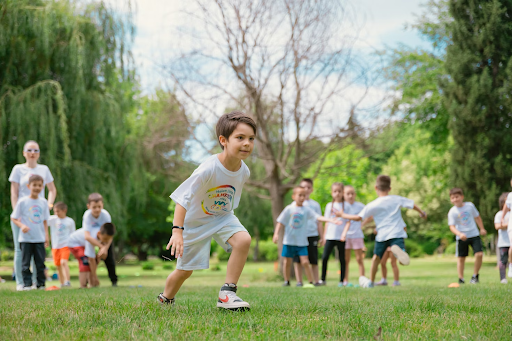
Keeping kids active is more important than ever in today’s digital age. On Long Island, parents have a wide variety of sports to choose from to help their children stay fit, build confidence, and have fun. Whether your child is a fan of fast-paced team play or enjoys individual challenges, there’s something for every young athlete. Here’s a roundup of the best sports for kids to stay active and energized all year round.
Soccer: The Classic Starter Sport
Soccer continues to be a go-to activity for young children thanks to its accessibility and emphasis on teamwork. Kids as young as three can start learning the basics like dribbling, passing, and scoring in a fun, supportive environment. As they grow, they develop coordination, speed, and an understanding of sportsmanship. Soccer also offers year-round play, from outdoor leagues in warmer months to indoor matches during winter.
Tennis: Solo Focus and Lifetime Skills
Tennis offers a unique mix of mental focus and physical agility. It’s an excellent choice for children who enjoy individual sports or want to build concentration and patience. Playing tennis improves hand-eye coordination, footwork, and reflexes. Unlike many team sports, tennis also provides opportunities for one-on-one coaching and self-paced learning, which can be ideal for children with different learning styles.
With access to a local tennis court, kids can practice regularly and enjoy the sport all year long, thanks to both indoor and outdoor facilities. Tennis also encourages children to take responsibility for their performance, helping build maturity and independence.
Basketball: High-Energy and Skill-Building
Basketball is another excellent sport that promotes agility, hand-eye coordination, and endurance. It’s ideal for kids who love fast-paced games and quick decision-making. With options to play both indoors and outdoors, it’s a sport that can be practiced in any season. Children learn the value of communication and collaboration, making it a great choice for building social and leadership skills.
Flag Football: A Safe, Fun Introduction
For children who enjoy the thrill of football without the heavy contact, flag football is a great alternative. It teaches strategic thinking, coordination, and the fundamentals of passing and catching. With less physical contact, it’s a safer way for kids to enjoy competitive play while reducing injury risk. Flag football encourages teamwork, resilience, and healthy competition.
Skateboarding: Freedom and Balance
For kids who prefer unconventional sports, skateboarding offers a fun and adventurous way to stay active. It promotes balance, coordination, and creativity, often appealing to children who thrive outside the structure of traditional sports. Taking skateboard lessons can help beginners build a solid foundation, making it easier to learn proper techniques and stay safe while riding. Skateboarding teaches perseverance—falling and getting back up is part of the process—and helps build confidence over time.
This sport can be practiced at parks or in neighborhoods, giving kids the flexibility to improve at their own pace. It’s also a great social activity, allowing children to bond with peers while learning new tricks and techniques. Skateboarding fosters a sense of community and encourages kids to express themselves through movement.
Lacrosse: A Local Favorite
Lacrosse has deep roots on Long Island and continues to be a favorite among local families. It blends speed, precision, and teamwork, offering a fast-moving game that keeps kids on their toes. The sport also helps in building hand-eye coordination and endurance. With its mix of passing, running, and goal scoring, lacrosse is ideal for kids looking for an exciting and active team sport.
Track and Field: For Kids Who Love to Move
Track and field events are perfect for children who enjoy running, jumping, and racing. From sprints to long-distance runs, hurdles to relays, kids can try a variety of events to find what suits them best. This sport fosters a strong sense of personal achievement, as improvement is often measured individually. It also helps develop endurance, discipline, and goal-setting habits that benefit kids on and off the field.
Hockey and Dek Hockey: Cool and Competitive
Whether on ice or on a hard surface, hockey is a thrilling sport for children who enjoy fast play and quick reflexes. Dek hockey, a non-ice version played with a ball, is a great introduction for younger players. These sports help build balance, coordination, and team spirit, while also challenging kids to think strategically during play.
Swimming: Lifesaving and Strengthening
Swimming is not only a vital life skill but also a fantastic sport that improves overall strength, stamina, and lung capacity. It’s especially good for kids who prefer individual sports or need a low-impact activity due to joint concerns. Swimming teaches focus, consistency, and self-discipline while providing full-body exercise in a calm and structured setting.
Multi-Sport Programs: Variety Is Key
Some kids may not know what sport they enjoy until they try a few. Multi-sport programs allow children to sample different activities such as basketball, soccer, tennis, and baseball. These programs help develop all-around athleticism and prevent boredom or burnout by offering variety and flexibility. Kids also gain exposure to different coaching styles and teamwork experiences.
Life Lessons Beyond the Game
No matter which sport your child chooses, the benefits go beyond physical fitness. Sports help children develop time management, resilience, leadership, and respect for others. They learn to win graciously, accept defeat, and try again. These are skills that translate into academic performance, friendships, and future careers.
Long Island is a great place for kids to stay active and try new things. Whether your child is racing down the track, hitting forehands on the tennis court, or perfecting an ollie on a skateboard, sports provide a foundation for a healthy, balanced life. As parents, supporting their interests and encouraging participation—even if it’s just recreational—can make a world of difference.
The goal isn’t to raise the next superstar athlete. It’s to help kids stay moving, smiling, and growing—on the field and beyond.
Leave a Reply