
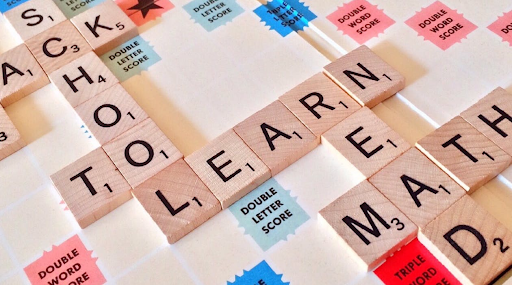
As a parent, we become more finely attuned to what an education really means. We can look at a standard educational setup and see that it misses fundamental skills and experiences our children need to truly thrive in the real world. We’ve all cast our minds back to school and thought how pointless learning Pythagoras’s theorem (or, in fact, 95% of mathematics) truly was.
Classroom learning rarely goes far enough to prepare children for the complex demands they encounter as adults. It’s all about a holistic, hands-on approach, so let’s show you some critical areas where standard schooling falls short and how progressive practices can bridge the gap.
Broader Worldview and Critical Skills
One of the most vital opportunities comes from international schools, which offer globally recognized programs like the International Baccalaureate (IB). These schools do not just teach for tests, but they nurture independent thinking, intercultural understanding, and problem-solving skills.
The International Baccalaureate, for example, encourages children to ask big questions, work collaboratively, and adapt to new situations, which are essential abilities for navigating an interconnected world and diverse workplaces.
Financial Literacy and Life Skills
Many young adults leave school learning mathematical equations but not how to do taxes, budget, or manage debt. These gaps in the curriculum mean students feel unprepared to handle personal finances, negotiate salaries, or even make big life decisions.
If we integrated financial literacy into everyday education, it would empower children to make more informed choices about money, work, and future planning, meaning that they would have a far better foundation to take control over their lives. Imagine what you would achieve if you’d already known the impact of things like taxes and how to budget properly as a teen!
Emotional Resilience and Mental Health
Both of these used to be elephants in the room, and arguably, in many places, standard education still avoids these things until they become a problem. But if we don’t know how to look after ourselves when we’re feeling good, we won’t be able to rely on the right tactics when we encounter those problems in life.
We are all going to experience some sort of mental health issue in our lives, and we should prioritize stress management, emotional regulation, and dealing with setbacks. These are critical for long-term happiness, well-being, and adaptability in life.
Collaboration and Communication
Traditional schooling emphasizes individual performance, for example, tests, essays, and solo projects, over teamwork and authentic collaboration and communication. We’re at a crossroads in the world where AI can encourage us all to double down on our antisocial nature.
Programs that incorporate group problem-solving, presentations, peer feedback, collaboration, empathy, and many more interpersonal skills will prepare students for the collaborative nature of adult life and make them an invaluable asset, particularly in the face of AI.
Practical Experience and Problem-Solving
Theory and memorization take priority over hands-on practical experience in most classrooms, but we have to remember that the educational system in so many ways now is the equivalent of a horse and carriage.
If Rip Van Winkle woke up now, the only thing he would recognize would be the educational system. When students engage with creative projects, internships, and tasks related to real issues, they don’t just gain knowledge but the confidence, flexibility, and resourcefulness to excel beyond school walls.
By addressing these gaps, we can give our children a stronger educational path.
Leave a Reply