
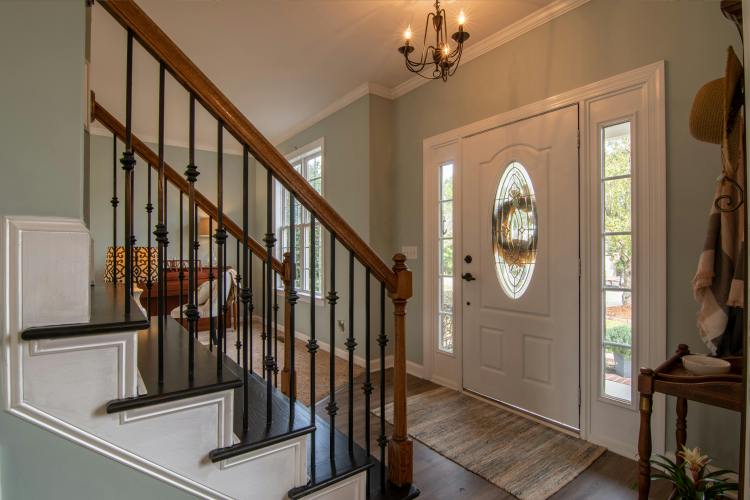
Most homeowners do their best to keep their homes safe. Doors are locked at night. Sharp corners are padded when children are around. Floors are kept clean and dry. While these habits are a great start, there is one area that often goes unnoticed until an accident happens. The staircase.
It may seem like a simple structure, yet stair falls are among the leading causes of household injuries. In fact, in 2018 alone, falls at home, including stair-related incidents, resulted in nearly 1,800 reported emergency department visits, according to the CIHI. That is why taking a few steps toward better stair safety is not just a nice idea. It is an important part of creating a secure and comfortable home.
To help guide you, this article breaks down the simplest and most effective ways to improve stair safety without heavy tools, high costs, or disrupting your space. Continue reading!
Add Traction on Stair Surfaces
Improving grip underfoot is one of the simplest ways to make stairs safer. Smooth wood, tile, concrete, or outdoor steps can become slippery, especially when wet, worn down, or simply polished over time. A small loss of traction is often all it takes for a sudden slip. Adding a reliable gripping surface reduces that risk and gives every step a steadier, more secure feel.
A straightforward solution is to Buy Anti Slip Strips for stair safety. These specially engineered strips are made from strong, weather-resistant plastic composite that provides consistent traction in all conditions. Once installed, they help prevent sliding or skidding on stairs. The bonus? High-quality anti-slip strips, like those from GripStrip, are built to handle heavy use and outdoor conditions without peeling or cracking, making them a long-term safety solution.
There are also a few other ways to add traction if you prefer lighter solutions:
- Textured stair mats for indoor steps
- Rubber stair treads for quick coverage
- Non-slip coating for outdoor concrete stairs
Each option adds a layer of grip, but long-lasting fixed strips tend to offer the most dependable protection over time.
Improve Visibility on Each Step
Sometimes stairs are not unsafe because they are slippery, but because they are difficult to see clearly. Dim lighting, dark stair materials, or little contrast between steps can cause the eye to misjudge distance. This becomes especially noticeable at night, in early mornings, or for older family members whose vision may not adjust as quickly.
The good news is that improving visibility does not require major upgrades. Small, thoughtful changes can make a remarkable difference in how secure each step feels. When stairs are easy to see, movement becomes more natural and confident.
A few simple ways to enhance visibility include:
- Adding brighter lighting near staircases
- Using contrast edging on each step
- Choosing lighter tones for stair surfaces
- Installing motion-sensor night lights
When the path is easy to follow, balance improves without conscious effort. It also helps family members and visitors feel more relaxed when moving through your home, which quietly reduces the risk of accidents.
Keep Stairs Clean and Clutter-Free
Everyday habits play a bigger role in stair safety than many people realize. Shoes left on steps, laundry baskets waiting to be carried upstairs, children’s toys, or shopping bags can quickly turn a staircase into a tripping hazard. Outdoor stairs face their own challenges, collecting leaves, rainwater, or ice that make surfaces slick without warning.
Creating a simple routine for stair upkeep is often the best way to keep movement predictable. These habits do not take much time, yet they contribute greatly to a safer home environment. Small routines that make a big difference include:
- Clearing items from the stairs at the end of the day
- Wiping wet steps immediately
- Sweeping outdoor stairs regularly
- Avoiding decorative items on stair edges
These simple actions take only minutes but help prevent many common household accidents. A tidy staircase keeps daily movement smooth and stress-free, especially in busy homes where people are constantly coming and going.
Simple Maintenance That Keeps You Safe
Staircases, like any part of a home, need occasional attention to stay reliable. Over time, handrails can loosen slightly, stair coverings can lift, and surfaces can wear down from daily use. These changes often happen gradually, so they are easy to overlook until they become a safety concern. A little maintenance awareness helps prevent that situation altogether.
Taking a few minutes now and then to inspect your stairs keeps safety on track. Helpful maintenance habits include:
- Checking that handrails are secure and easy to grip
- Inspecting stair surfaces for wear or loose materials
- Replacing worn traction products when needed
- Ensuring outdoor steps remain level and sturdy
These quick check-ins take very little effort but offer long-term protection. It also provides peace of mind, especially in homes with children, elderly family members, or frequent visitors. When stairs feel solid and well cared for, everyone moves through the space with more ease.
Closing Lines
Stair safety does not require major renovations or expensive upgrades. Simple changes like improving traction, enhancing visibility, keeping steps clear, and maintaining surfaces can dramatically reduce fall risks. When stairs feel stable and predictable, everyday movement through the home becomes easier and more relaxed. A few thoughtful adjustments today can help protect your household for years to come. Sometimes the smallest improvements truly make the biggest difference.
Top Photo: Image Credit
Leave a Reply