
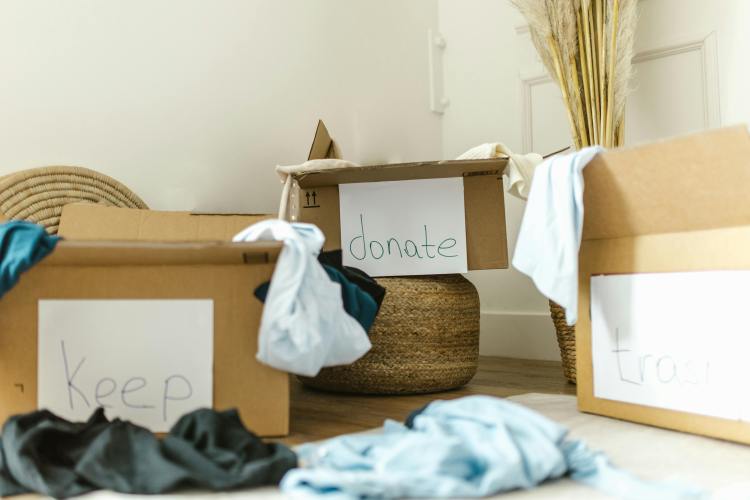
Sometimes achieving a restful feeling can be as simple as keeping the space around us clear. When our homes are orderly, everyday tasks can move more easily along, worry can be relieved, and our minds can be free to contemplate work of a more restorative sort (until we fill them up with our families). As we have more children, their toys, their clothes, their seasonal gear, their everyday belongings, accumulate. With an inventoried approach to what lives in our homes, that impossible feeling has a chance of being banished. With a simple family contract that governs how we share, what lives out, how things come in and out of rotation, shared spaces can ‘bear’ families comfortably. This volume is about creating family living spaces that engender balance.
Deciding Which Household Items Should Stay Accessible
Creating a calm living environment begins with limiting what remains within everyday reach. Items used daily—such as essential kitchen tools, frequently worn clothing, children’s favorite toys, and basic household supplies—should stay easily accessible so routines flow smoothly. Keeping these items within reach reduces friction during busy mornings and helps maintain consistency in family habits. Everything else can be stored more deliberately. Seasonal décor, rarely used appliances, extra clothing, and backup household items can be placed in labeled containers or stored separately to prevent shared spaces from becoming crowded. This separation allows rooms to feel open and easier to maintain throughout the day. Some families choose hassle-free storage options Mesa to keep occasional items organized outside the home while preserving a calm and functional living environment. Once essential items are clearly defined, the next step is organizing shared spaces so they remain comfortable and easy to use for everyone.
Organizing Shared Spaces For Comfort And Functionality
Shared areas such as living rooms, kitchens, and play spaces benefit from simple and consistent organization. Clear systems help every family member understand where items belong and how to maintain order.
Essential Principles to Follow:
- Assign Clear Storage Zones Designate specific areas for toys, household items, and personal belongings so everything has a defined place.
- Use Accessible Storage Solutions Baskets, bins, and shelves should be easy for all family members to reach and use.
- Maintain Open Surfaces Keeping tables and countertops mostly clear helps create a sense of calm and space.
Common Pitfalls to Avoid:
- Allowing items to accumulate without designated storage areas.
- Storing frequently used items in hard-to-reach places.
- Mixing different categories of belongings in the same storage space.
- Ignoring shared areas that require regular organization.
Creating A Rotation System For Seasonal And Occasional Items
Step 1: Sort household items into three practical groups based on regularity of use. An Everyday Items group for clothing, kitchen supplies, schoolwork, and other essentials, plus frequently used toys, impedes no one’s daily rounds. A Seasonal Items group for decorations, clothing, and equipment that move about all year, placed in labeled bins for easy access, insures no hang-up over special occasions. An Occasional Items group for those seldom-used items like surplus furniture, luggage in uses only now or then, things just for the attic, keeps the rest of us from moving into someone else’s house.
Step 2: Periodically rotate the items. Each season, or at regular reviews of the home, appropriate items move into everyday use and back into storage go others.
What Changes For Small Homes And Growing Families
How Do Small Homes Maintain Calm Living Spaces?
Small homes benefit from keeping belongings contained within clearly defined areas. Limiting the number of accessible items and using compact storage solutions helps prevent clutter from spreading into shared spaces.
How Do Growing Families Manage Increasing Belongings?
As families grow, routines and storage systems must evolve. Regularly reviewing items and removing those no longer needed helps maintain balance and prevent overcrowding.
What Helps Maintain Organization Long Term?
Consistency is essential. Returning items to their designated locations and performing regular home reviews helps maintain an organized and calm environment.
A Routine Checklist For Maintaining Calm Living Spaces
Pleasant rooms don’t just happen through occasional grand cleanups but through the diligence of small daily practices. Put things back where they belong, in their storage places. Leave shared surfaces open. Keep things you use every day easy to grab. Do a one-minute inspection weekly for each room to make sure things are still filed by category, that seasonal items have not mistakenly wandered into the other piles, and to throw out or relocate items that shouldn’t be there. When these basic habits are normal routines, your home will be ready for spontaneous living, a refuge for the family.
Choose one day each week to reset shared spaces and return everything to its proper place.
Frequently Asked Questions About Keeping Homes Organized
How often should families review household belongings?
Most families benefit from reviewing belongings monthly or at the start of each season. Regular reviews help prevent clutter from accumulating and keep storage systems effective.
What is the best way to keep shared spaces organized?
Assigning clear storage zones and encouraging all family members to return items after use helps maintain order. Simple systems are easier for everyone to follow consistently.
How can children be involved in maintaining organization?
Using accessible storage and simple categories helps children understand where items belong. Encouraging them to return toys and belongings after use builds good habits over time.
Why is organization important for family wellbeing?
An organized home reduces stress, improves daily routines, and creates a more comfortable environment for rest and interaction. Clear spaces support both mental and physical wellbeing.
Top Photo: Image Credit
Leave a Reply