
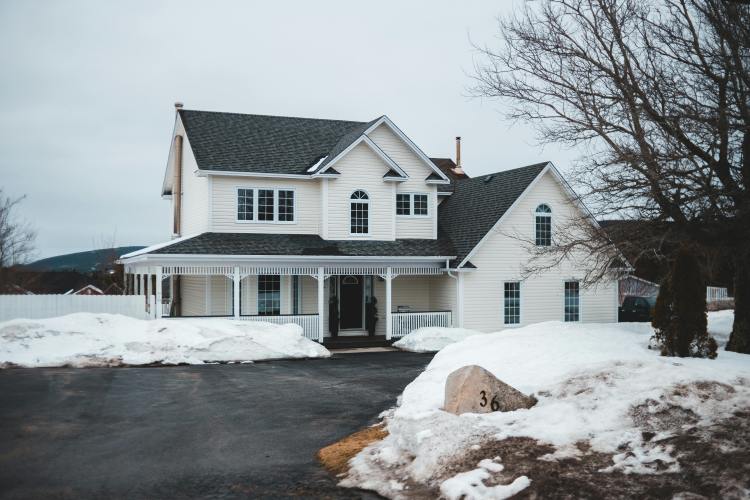
When people think about geothermal heating, they often picture mild climates where winters are short and temperatures rarely drop too far below freezing. In places like Wisconsin, however, winter can be a completely different story. Long cold spells, snow-covered landscapes, and freezing temperatures make homeowners think carefully about how they heat their homes.
Because of that, many people assume geothermal systems simply cannot keep up when the weather becomes harsh. It sounds reasonable at first. After all, if the ground is frozen and the air outside is bitterly cold, how could a geothermal system provide enough heat?
The reality is a bit more interesting. Geothermal technology has been used successfully in cold regions for decades, and many homeowners are surprised to learn how it actually works once temperatures begin to fall. Before deciding whether geothermal heating is right for your home, here are five important things worth knowing.
1. The Ground Stays Warmer Than the Winter Air
One of the biggest misconceptions about geothermal heating is that it depends on outdoor air temperatures. It does not. A geothermal system draws heat from underground, where temperatures remain much more stable throughout the year. Even when snow is piling up outside, the temperature several feet below the surface stays relatively consistent.
This stable underground temperature gives geothermal systems a reliable source of heat during winter months. Instead of fighting against freezing outdoor air, the system transfers existing heat from the earth into the home. That difference is what makes geothermal heating possible even in regions known for severe winters.
2. Performance Stays Steady Even During Long Cold Spells
One thing many homeowners don’t expect is how steady geothermal systems stay when winter really settles in. Instead of struggling more as temperatures drop, the system continues operating at a fairly consistent level because it is not pulling heat from the outside air in the first place. People often realize that geothermal heating in cold climate regions is much more reliable than they thought once they see how consistent the output stays through long freezes. As explained in a guide by Pharo Heating and Cooling, this happens because the system is not reacting to changing air temperatures at all, but instead pulling heat from underground where conditions remain stable even during extended cold spells.
This matters a lot in colder regions where heating systems often run for long hours. With traditional setups, performance can feel like it dips during extreme cold because the system has to work harder against harsher conditions. Geothermal systems avoid that kind of swing because the heat source stays stable underground.
In practice, this steady performance also means fewer surprises during peak winter weeks when demand on heating systems is at its highest.
3. Geothermal Systems Can Be Highly Energy Efficient
Heating costs are a major concern for many families, especially when winters seem to last forever. According to the U.S. Department of Energy, geothermal heat pumps can reduce energy consumption significantly compared to conventional heating systems because they move heat rather than generate it through combustion. The department notes that geothermal heat pumps are among the most efficient heating and cooling technologies available today. You can learn more from the U.S. Department of Energy’s geothermal heat pump guide.
This efficiency comes from the way the system operates. Instead of creating heat from fuel, it transfers existing heat from the ground into the home. That process typically requires less energy. For homeowners facing long winters, improved efficiency can become one of the most appealing aspects of geothermal technology.
4. Installation Is a Bigger Project Than Traditional HVAC Systems
Geothermal systems offer benefits, but homeowners should understand that installation is different from replacing a standard furnace. Ground loops must be installed beneath the property, either horizontally or vertically, depending on available space and site conditions. This requires planning and professional design.
The upfront investment is often higher than conventional heating equipment because of the additional work involved. However, many homeowners view geothermal as a long-term investment rather than a short-term purchase.
In practice, people who spend time learning about installation requirements ahead of time tend to feel more comfortable with the decision-making process. Knowing what to expect can prevent surprises later. Every property is different, which is why site evaluation plays such an important role before installation begins.
5. Geothermal Systems Can Provide Cooling Too
Many people focus entirely on winter performance when discussing geothermal heating. That makes sense in colder regions, but geothermal systems are not limited to heating.
The same system can often provide cooling during warmer months by reversing the heat transfer process. Heat from inside the home is moved into the ground, helping maintain comfortable indoor temperatures.
Research published in the journal Processes has shown that geothermal systems can provide both heating and cooling while consuming 25% to 50% less electricity than conventional heating and cooling systems. This dual-purpose capability means homeowners are investing in a system designed for year-round comfort rather than a solution that only serves one season. For many households, that versatility becomes part of the long-term value.
Wrapping It All Up
Because geothermal systems rely on stable underground temperatures, they can continue operating effectively even when outdoor conditions become harsh. They offer strong efficiency, year-round functionality, and a heating approach that works differently from traditional systems.
What we’ve seen is that many concerns about geothermal heating come from misunderstandings about how the technology works. Once homeowners learn where the heat actually comes from, the idea of using geothermal energy during a Wisconsin winter suddenly feels much more practical.
For those exploring heating options in colder regions, understanding these fundamentals is an important first step toward making an informed decision.
Top photo: Image Credit
Leave a Reply