
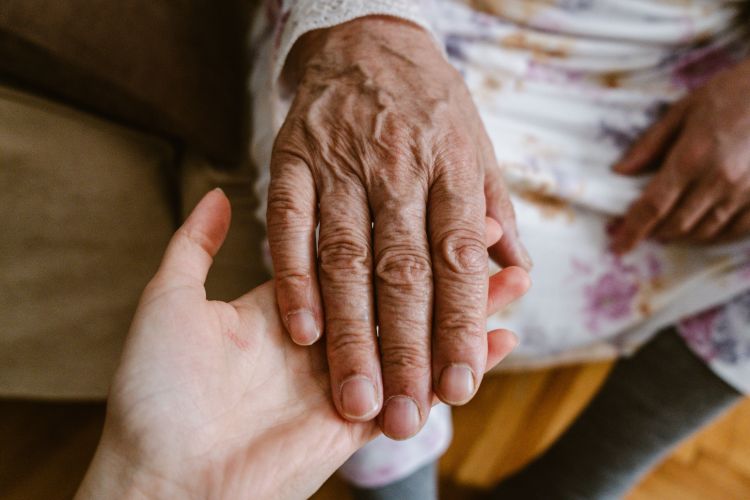
Have you looked down at your hands recently and noticed the veins are more prominent than they used to be? Maybe they’ve always been there but seem to have become more visible lately, or perhaps you’ve noticed them becoming more raised and ropy over time.
For many people, visible hand veins are a cosmetic concern. For others, they raise questions about health. Understanding what causes veins in the hands to become prominent, and knowing the difference between normal variation and something worth investigating, is genuinely useful information.
Why Hand Veins Become More Visible
Veins carry deoxygenated blood back toward the heart. In most parts of the body, they sit well below the skin surface. In the hands, where the skin is thin and there’s less underlying tissue, veins are naturally closer to the surface and therefore more visible than in other areas.
Several factors influence how prominent those veins appear at any given time, and most of them are entirely benign.
Age. As skin loses collagen and elasticity with age, it becomes thinner and less cushioning. Veins that were previously less noticeable become more prominent as the surrounding tissue changes. This is one of the most common and least concerning reasons for increased vein visibility.
Low body fat. People with naturally lower body fat, or those who have lost weight, have less subcutaneous tissue between the skin and the veins. Less tissue means more visible veins. Athletes and very lean individuals often have notably prominent hand and arm veins for this reason.
Heat. Veins dilate in response to heat as the body attempts to dissipate warmth. After exercise, in hot weather, or following a warm shower, veins throughout the body become temporarily more prominent.
Dehydration. When the body is dehydrated, blood volume decreases and the body prioritises core circulation. Veins near the surface can appear more prominent in response. Increasing fluid intake often reduces this effect.
Exercise. During and after physical activity, blood pressure and blood flow increase. Veins dilate to accommodate the increased demand and may remain visible for some time afterward.
Gravity. Veins in the hands are more prominent when the hands are held below the level of the heart. Raising hands above heart level typically reduces visible vein prominence quickly.
None of these factors are medically concerning. They’re physiological responses to normal variation in the body’s conditions.
When Visible Hand Veins May Need Medical Attention
The circumstances that warrant a medical evaluation are more specific and typically involve symptoms beyond simple visual prominence.
Pain or tenderness along the vein. Veins that are not just visible but painful to touch, or that cause discomfort without being pressed, can indicate inflammation or thrombosis within the vein. This should be evaluated promptly.
A vein that feels hard or cord-like. A normal vein feels soft and compressible. A vein that feels firm, hard, or like a cord under the skin may indicate thrombophlebitis, inflammation associated with a clot. This requires a medical assessment.
Redness, warmth, or swelling along the vein. These are signs of inflammation and potentially infection. They warrant medical evaluation rather than a watch-and-wait approach.
Sudden significant change in appearance. Veins that become dramatically more prominent quickly, or that appear in new locations, are worth discussing with a doctor, particularly if accompanied by any other symptoms.
Varicose changes in hand veins. While varicose veins are more commonly associated with legs, they can affect hands. Twisted, enlarged, rope-like veins that cause discomfort deserve professional assessment.
For people concerned about changes in their veins in hands, getting an informed medical opinion is always the right step when symptoms go beyond simple visibility. Vein Institute provides specialist vascular assessment and treatment options for hand vein concerns, including both medical and cosmetic approaches for patients whose visible veins are causing either health issues or significant personal distress.
The Cosmetic Dimension
For people whose hand veins are medically normal but personally bothersome, it’s worth knowing that cosmetic treatment options exist. Sclerotherapy, which involves injecting a solution into the vein to cause it to collapse and be reabsorbed by the body, is the most common treatment for cosmetically prominent hand veins. Laser treatments are another option.
These are elective procedures and not appropriate for everyone. A vein specialist can assess whether a cosmetic concern is suitable for treatment and which approach would produce the best outcome for a specific patient.
Lifestyle Factors That Support Vein Health
For people with generally healthy but visible veins who want to support their vascular health without medical intervention, a few lifestyle practices are consistently associated with better outcomes:
- Staying well hydrated supports healthy blood volume and reduces unnecessary vein dilation
- Maintaining a healthy weight and regular exercise supports circulation and vascular tone
- Avoiding prolonged sitting or standing in the same position supports blood flow return to the heart
- Not smoking, as smoking damages blood vessel walls and impairs circulation throughout the body
- Protecting hands from sun damage, which accelerates skin thinning that makes veins more visible
When to Make the Appointment
A useful rule of thumb: if a visible hand vein is accompanied by any physical symptom, whether pain, tenderness, warmth, hardness, or redness, see a doctor promptly. If the concern is purely cosmetic, consider a consultation with a vein specialist to understand the options available.
Veins that are simply visible without any accompanying symptoms, in the context of the normal factors described earlier, are in the vast majority of cases not a health concern. But when doubt exists, getting a professional opinion provides reassurance at minimum and can identify treatable conditions early at best.
Conclusion
Prominent hand veins are usually a normal variation influenced by age, body composition, temperature, hydration, and activity level. Understanding the common causes removes much of the unnecessary anxiety that visible veins often generate.
The circumstances that warrant medical attention are specific and distinguishable from normal variation. Knowing the difference means you can respond appropriately, seeking care when symptoms indicate it and not worrying unnecessarily when they don’t.
Top Photo: Image Credit
Leave a Reply