
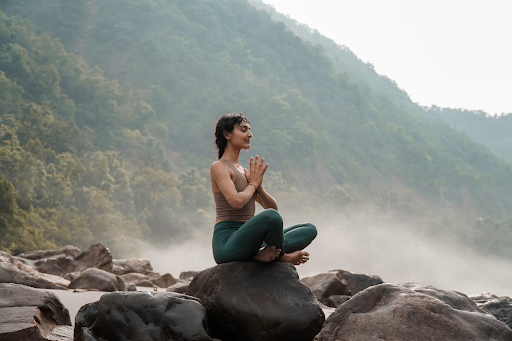
Feeling constantly overwhelmed is a common part of modern life. Juggling work deadlines, family responsibilities, and a social life can leave little room for rest, often leading to ongoing stress. The good news is you don’t need a week-long retreat to find your center. By adding small, holistic practices to your daily routine, you can effectively manage stress and reclaim a sense of calm. This guide offers simple, actionable ways to reduce stress, even on your busiest days.
Understanding Stress Triggers
To manage stress, you first need to understand what causes it. Stress triggers are specific events or thoughts that make you feel anxious or overwhelmed. These can be external, like a demanding boss or a traffic jam, or internal, such as negative self-talk or worrying about the future. To figure out your personal triggers, try keeping a simple journal for a week. Write down whenever you feel stressed and what was happening at that moment. Noticing patterns, like always feeling tense after checking work emails late at night, is the first step toward changing how you react.
The Role of Sensory Aids
Using your senses is a powerful way to bring yourself into the present moment and break the cycle of stress. Aromatherapy, for example, can really affect your mood. Diffusing essential oils like lavender or bergamot can turn your space into a peaceful haven. Some people also find that using a dry herb vaporizer with calming botanicals like chamomile or peppermint helps them unwind. The simple ritual, combined with the gentle aroma, can signal to your body and mind that it’s time to relax. Other sensory aids include listening to calming music, wrapping yourself in a soft blanket, or sipping a warm cup of herbal tea.
Breathing Techniques for Calm
When you’re stressed, your breathing often gets shallow and fast. You can counter this physical reaction with conscious breathing. One of the most effective methods is “box breathing.” Imagine a square and breathe along its sides: inhale for four seconds, hold your breath for four seconds, exhale for four seconds, and hold again for four seconds. Repeating this cycle for just a few minutes can lower your heart rate and blood pressure. These simple breathing exercises help activate your parasympathetic nervous system, which is your body’s natural relaxation response, shifting you from a state of fight-or-flight to one of rest-and-digest.
Integrating Mindful Breaks
It’s easy to feel guilty about taking breaks when you have a mountain of tasks, but short, mindful pauses can actually boost your productivity and reduce stress. The key is to make them intentional. Instead of scrolling through your phone, use your five-minute break to do something that disconnects you from your work. Stand up and stretch, walk to a window and focus on something in the distance, or simply close your eyes and listen to the sounds around you. Scheduling these short breaks throughout your day helps prevent mental fatigue and keeps stress levels from building up. There are many proven relaxation techniques you can practice during these moments.
Building an Evening Wind-Down Routine
Many people focus on managing stress during the day but overlook the importance of how they end it. Creating a simple evening routine can help signal to your body that it’s time to slow down and prepare for rest. This doesn’t need to be complicated. Even spending fifteen to twenty minutes away from screens before bed can make a noticeable difference.
Try choosing a few calming activities that you enjoy, such as reading a book, stretching gently, listening to relaxing music, or writing down a few thoughts from the day. Consistency is often more important than the activity itself. When your brain begins to associate certain habits with bedtime, it becomes easier to switch off from work, worries, and distractions. Over time, a predictable wind-down routine can improve sleep quality and leave you feeling better equipped to handle everyday stress.
Creating a Relaxing Environment
Your physical surroundings really impact your mental state. A cluttered, disorganised space can make you feel chaotic and stressed, while a calm and orderly environment promotes peace. You don’t need a complete home makeover; small changes can make a big difference. Start by decluttering one small area, like your desk or bedside table. Use soft lighting with lamps instead of harsh overhead lights. Add a plant or two to bring a touch of nature indoors. Personalise your space with items that bring you joy, such as photos of loved ones or a piece of art you love.
Finding what works for you is a personal journey. Start by choosing one or two of these ideas to try this week, and pay attention to how they make you feel. A calmer, more balanced life is built one small, mindful step at a time.
Top Photo Image Credit: Unsplash
Leave a Reply