
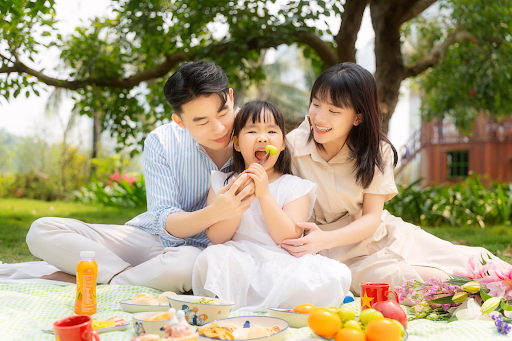
Healthy family routines work best when they fit busy weekdays, school schedules, and everyday meals. Small choices, repeated often, can support steady energy, better sleep and a healthier relationship with food and exercise.
Parents can lead the way without expecting perfection from themselves or their children. The goal is to build flexible habits everyone can practice at home, at school, and on weekends together.
Building a Balanced Plate
A balanced plate gives family members a useful visual guide without requiring calorie counting. Fill about half the plate with fruits and vegetables, then divide the rest between a protein and a whole grain or starchy vegetable. Finish the meal with water or milk.
Variety matters across the week, so change the colors and textures you serve. For example, pair chicken with brown rice and roasted carrots one night, then offer beans, corn and avocado in soft tacos another night. The CDC’s healthy routine tips also encourage families to support nutritious eating, physical activity and consistent sleep. If you need help choosing cooking fats, this guide to everyday cooking oils offers practical options for common family meals.
Making Movement Fun
Children and adults are more likely to stay active when movement feels enjoyable and easy to repeat. Try a 20-minute family walk after dinner, a living room dance session or a weekend bike ride. On rainy days, build a simple indoor course with pillows, painter’s tape and sturdy chairs.
Let each family member choose an activity on a rotating schedule. One person might pick soccer at the park while another chooses yoga or a scavenger hunt. PBS KIDS offers more family wellness activities that help children practice healthy routines through play. Keep the focus on participation and fun instead of performance, speed or appearance.
Smart Snacking for Kids and Adults
Snacks can bridge the gap between meals and prevent the late-afternoon energy slump. Combine two food groups when possible, such as apple slices with peanut butter, plain yogurt with berries or whole-grain crackers with cheese. Keep washed fruit and portioned vegetables at eye level so they’re easy to grab.
Adults working toward personal fitness or weight goals may also consider specialized products, including a weight loss stack for women. Supplements should support a routine built on nourishing meals, movement and adequate sleep. Read labels carefully and speak with a qualified health professional before using a new supplement, especially if you take medication, are pregnant or nursing or have a health condition.
Setting Personal Wellness Goals
Family members don’t need identical goals. A child might practice drinking water with lunch, while a parent may aim for three strength workouts each week. Goals should be specific enough to track and realistic for the person’s schedule.
Instead of setting a broad target such as “eat healthier,” choose an action like adding a vegetable to dinner four nights a week. Use a calendar or simple checklist to record progress, then review it after two weeks. If the plan keeps falling apart, adjust the time, frequency or difficulty. Personal goals should also avoid comparisons between siblings or adults. Each person has different needs, abilities and stages of development.
Creating a Positive Food Environment
The way adults talk about food can shape how children view eating and their bodies. Use neutral descriptions such as sweet, crunchy or filling instead of labeling foods as good, bad or guilty. Serve dessert occasionally without presenting it as a reward for finishing vegetables.
Whenever schedules allow, sit down together and remove phones from the table. Shared meals give children time to see adults trying different foods and listening to hunger cues. Invite kids to help with age-appropriate tasks such as rinsing produce, stirring batter or choosing one vegetable at the store. A child may need to see or taste a food many times before accepting it, so serve small portions without pressure.
The Benefits of Outdoor Play
Outdoor play gives children room to run, climb and explore while offering adults a break from indoor routines. Daylight exposure also helps support the body’s sleep-wake schedule, especially when families spend time outside earlier in the day.
You don’t need special equipment or a long trip. Draw a chalk course on the sidewalk, collect leaves for a craft or take a walk to look for birds and interesting clouds. Older children may enjoy biking, gardening or helping wash the car. Check the weather, bring water and use appropriate sun protection. During hot days, plan outdoor time for the morning or evening and take regular shade breaks.
Family wellness grows through familiar routines: produce on the dinner table, shoes ready for an evening walk and water bottles filled before everyone leaves home. When those choices feel like a normal part of family life, healthy habits become easier to carry into the next season and the next stage of childhood.
Photo Image Credit: Unsplash
Leave a Reply