
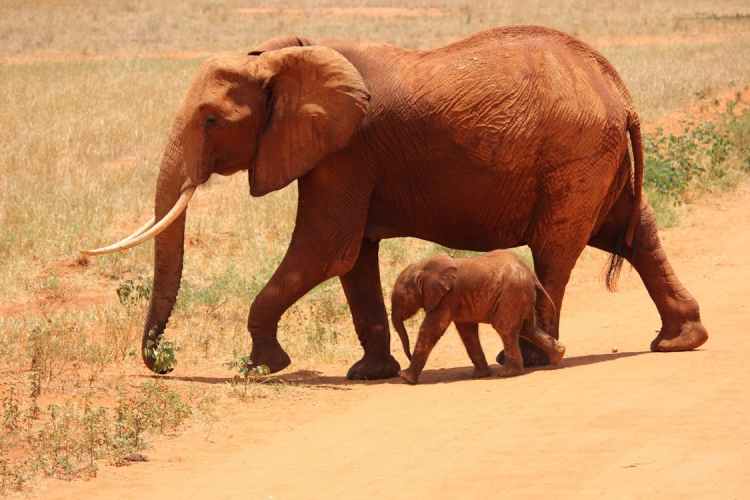
There’s something truly wild about Tanzania. Nestled in the heart of Africa, it’s a place where lions roar across endless plains, elephants move like shadows through ancient trees, and the sunsets feel painted just for you.
If a safari here is on your bucket list, good news—it’s even better than you imagine. But like any once-in-a-lifetime experience, a little planning can make a big difference.
So before you zip up your duffel bag and hop on that bush plane, take a moment. These tips could turn your trip into something unforgettable.
1. Choose the Right Time to Visit
Tanzania’s weather can make or break your safari—really. The dry season, from June to October, is a favorite for a reason. The grasses thin out, animals gather around waterholes, and the Great Migration is in full swing. Think of it as nature’s most epic show.
But here’s the secret: the so-called “green season” (November to March) is equally stunning. It’s quieter. The landscapes are lush. There are baby animals everywhere, and the birdlife is unreal.
Sure, you might get a few afternoon showers—but you’ll also find better rates and fewer jeeps at the lion sighting.
2. Pick the Right Safari Style
Here’s where things get exciting—and a little personal. There’s no one way to do a safari. Some travelers want comfort and a smooth ride. Others crave the raw, dusty thrill of going off the grid. You can join a small group, sharing stories along the way, or go private and shape each day to your pace.
For example, Enclose Africa Safaris, a favourite choice among travelers, is known for crafting flexible routes that blend wildlife viewing with cultural stops. They even add a detour to the Zanzibar coast. Tour companies like this often know the land inside out, which means they can time things better and take you to places that aren’t always on the standard map.
Think about what matters most to you—space, pace, or maybe a bit of both. There’s a safari out there that fits just right.
3. Understand Park Highlights
Every park in Tanzania has its own feel. The Serengeti is the most famous. It’s wide, open, and full of animals like lions, zebras, and wildebeests. If you’ve seen photos of the Great Migration, that’s where it happens.
Ngorongoro Crater is smaller but packed with wildlife. It looks like a giant bowl filled with animals, and you can often see many species in one drive.
Tarangire is quieter but great for spotting elephants and big old baobab trees. Lake Manyara is smaller, but you might see flamingos and, if you’re lucky, lions that climb trees.
Want something more wild and peaceful? Head to parks like Selous or Ruaha. They’re far from the crowds and feel untouched—just nature and silence all around.
4. Pack Essentials for the Safari
No need to overthink it—but don’t underpack either. Stick to light, breathable clothes in neutral tones. That means tans, olives, and browns. Bright colors can spook wildlife, and dark ones attract bugs. Layers help, especially for those chilly morning drives.
Don’t forget the basics: a wide-brim hat, sunglasses, sunscreen, and a good insect repellent. Binoculars can turn a distant leopard into a moment you’ll never forget. A soft-sided bag is easier to fit in small vehicles or bush planes.
And bring a power bank. Some lodges run on solar and charge slowly, or not at all, after sundown.
5. Respect Wildlife and Local Culture
This isn’t a zoo. You’re in their home. That lion? He’s not posing for your Instagram. Keep your voice low. Don’t make sudden movements. And never—seriously, never—try to feed or touch any animal. Guides know the rules. Follow them.
Off the jeep, respect the people, too. Tanzania’s communities are proud and diverse. When visiting local villages, dress modestly and ask before taking photos.
Plus, learn a few words of Swahili. A warm “Jambo” can open more doors than you think.
6. Health and Safety Tips
Being safe doesn’t mean being scared—it just means being smart. Before your trip, check in with a travel clinic. You may need shots for yellow fever or typhoid. Most travelers also take anti-malaria tablets, especially if visiting lowland parks.
Stick to bottled water. Pack basic meds for headaches, tummy troubles, or motion sickness. And bring a few snacks—it can be a long stretch between meals out in the bush.
At night, zip up your tent and use your mosquito net. During the day, wear sunscreen and drink water, even if it’s cloudy. Tanzania is safe for travelers. But like anywhere, being prepared helps you relax and enjoy every second.
Conclusion
Tanzania isn’t just a place—it’s a feeling. The roar of a lion at dawn, the sparkle of stars over the savanna, the silence when elephants pass by. A trip here stays with you. So, plan well, pack right, and go with the flow. The wild has its own way of welcoming you in.
Top Photo: Image credit
Leave a Reply