
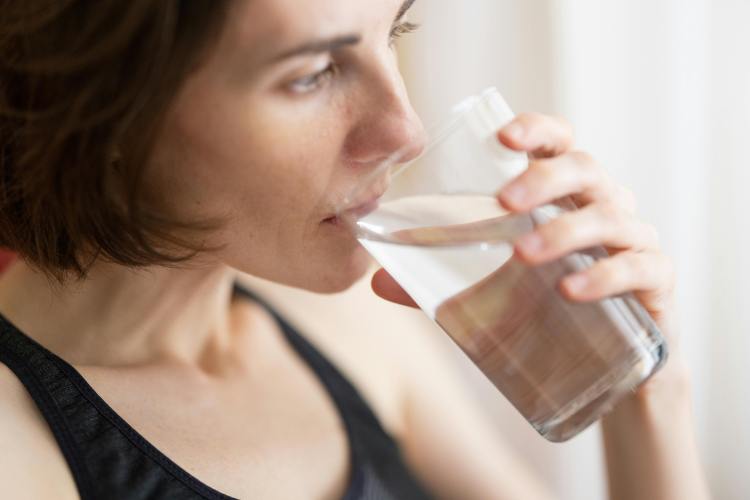
Water is one of the most essential elements for human life, yet many people rarely stop to consider the quality of the water they use every day. From drinking and cooking to bathing and cleaning, water plays a central role in maintaining overall health and well-being. While access to clean water is often taken for granted in many parts of the world, the reality is that not all water is created equal. The quality of your water can have a direct impact on your skin, digestion, respiratory health, and even long-term wellness.
Understanding What “Water Quality” Really Means
Water quality refers to the physical, chemical, and biological characteristics of water. These include factors such as mineral content, the presence of contaminants, pH levels, and whether disinfectants like chlorine are present. While municipal water supplies are treated to meet safety standards, this doesn’t necessarily mean the water is free from substances that can affect your health over time.
Common additives like chlorine are used to kill harmful bacteria, but they can also have unintended side effects. Additionally, water can pick up contaminants from pipes, storage systems, or environmental sources before it reaches your tap.
The Impact on Skin and Hair
One of the most noticeable ways that water quality affects your health is through your skin and hair. Hard water, which contains high levels of minerals like calcium and magnesium, can leave a residue on the skin. This can clog pores, disrupt the skin’s natural barrier, and lead to dryness or irritation.
Chlorine, while effective for disinfection, can strip the skin and hair of natural oils. This often results in dryness, itchiness, and even exacerbation of conditions like eczema. Hair exposed to chlorinated water may become brittle, dull, and more prone to breakage.
For those looking to minimize these effects, using a chlorine reducing shower filter from AquaBliss can be a practical step. These filters are designed to remove or reduce chlorine and other impurities, helping to protect the skin and hair from unnecessary damage.
Effects on Drinking Water and Digestion
The quality of the water you drink directly impacts your internal health. Contaminants such as heavy metals, pesticides, and microorganisms can pose serious risks if present in drinking water. Even at low levels, prolonged exposure to certain substances may contribute to digestive issues or other health concerns.
On the other hand, clean and properly balanced water supports hydration, aids digestion, and helps the body efficiently absorb nutrients. Water also plays a crucial role in flushing out toxins, regulating body temperature, and maintaining overall organ function.
The taste and odor of water can also influence how much you drink. If your water has a strong chlorine taste or metallic undertones, you may be less likely to stay properly hydrated, which can have knock-on effects for your health.
Respiratory and Environmental Considerations
Water quality doesn’t only affect you through direct contact or consumption. When you shower or use hot water, chemicals like chlorine can vaporize into the air as steam. Inhaling these vapors may irritate the respiratory system, particularly for people with asthma or other sensitivities.
This is an often-overlooked aspect of water quality. While drinking water tends to get the most attention, the air quality in your bathroom can also be influenced by what’s in your water supply.
Long-Term Health Implications
Although occasional exposure to low levels of contaminants may not cause immediate harm, long-term exposure is where concerns arise. Studies have suggested links between certain water contaminants and chronic health issues, including hormonal disruptions and increased risk of certain diseases.
For example, disinfection byproducts formed when chlorine reacts with organic matter in water have been studied for their potential health effects. While regulations limit these substances, reducing exposure where possible can be a proactive step toward better long-term health.
Taking simple measures to improve water quality at home can make a meaningful difference. This might include using filtration systems, regularly maintaining plumbing, or testing your water to better understand what it contains.
The Role of Water in Daily Wellness
Water is involved in nearly every function of the body. It supports circulation, helps maintain energy levels, and keeps joints lubricated. When water quality is compromised, these essential processes may not function as efficiently as they should.
Beyond physical health, water quality can also influence your daily comfort and routine. Dry skin, dull hair, or unpleasant tasting water may seem like minor inconveniences, but they can add up over time and affect overall quality of life.
Taking Control of Your Water Quality
Improving water quality doesn’t always require major changes. Small, targeted adjustments can have a noticeable impact. Installing filters for drinking water and showers, using water softeners in hard water areas, and staying informed about your local water supply are all effective steps.
It’s also worth considering periodic water testing, especially if you live in an older home or an area with known water quality issues. Understanding what’s in your water allows you to make informed decisions about how to address it.
By becoming more aware of water quality and taking simple steps to improve it, you can support your overall health in a meaningful and lasting way. Clean, balanced water isn’t just a basic necessity; it’s a key component of a healthier lifestyle.
Top Photo: Image Credit
Leave a Reply