
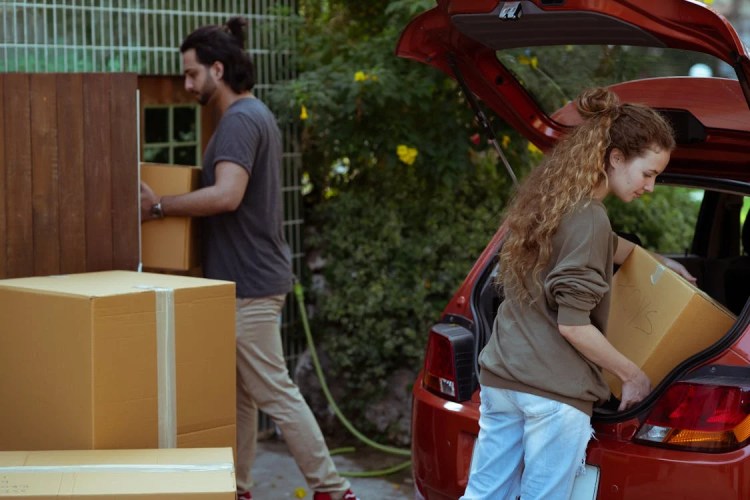
Relocating to a new house is one of the most stressful things a person can experience in their lifetime. It needs a lot of planning and patience when it comes to helping children manage their emotions and navigate this shift. Personally, I have relocated with my family thrice in the last ten years. Each time I moved, I made it a point to gather insights from child developmental research, along with my personal experiences, to create a detailed guide on moving with children.
Understanding Your Child’s Perspective
Each child copes with change uniquely based on their age and temperament. In the words of child psychologist Dr. Laura Markham, “Children thrive on routine and predictability. A move disrupts everything familiar in their world.” The resulting disruption can take multiple forms:
- Toddlers and preschoolers might lack a complete understanding of moving, but they can feel the stress levels in the household and the shift in daily routine.
- Elementary-aged children often fret over their ability to make new friends and blend into a new school
- Teenagers experience intense feelings of grief over the thought of leaving the social connections they have built and the environment they are familiar with
According to the American Academy of Child and Adolescent Psychiatry, children who relocate often face some form of social interaction and learning issues in the short term. Nevertheless, most children adjust with the right assistance and support within three to six months.
Before the Move: Preparation Is Key
Start the Conversation Early
The way you talk about the move will shape your child’s perception of it. Child development expert Jessica Miller states, “Give children as much notice as possible—ideally at least a month for younger children and several months for teens.” When you want to inform them:
- Explain it during a calm moment where you have ample time to talk
- State the reasons for the move in a simplified way tailored to their age
- Recognize that having mixed feelings about it is normal
- Encourage questions and respond to them honestly
Involve Children in the Process
In the Journal of Family Psychology, some research provided clues that children cope better with significant changes in life when they feel they have some degree of control. Some ways to include your children are:
- Taking them on a tour of the new neighborhood and home (virtually, if needed)
- Letting them choose paint colors or furniture arrangements for their new room
- Having them assist in researching activities and attractions in the new area
- Designing a special moving box that they overstuff with their cherished items
Maintain Routines While Preparing
As moving day approaches and chaos increases, maintaining some semblance of normal routines becomes crucial. Child psychologist Dr. William Coleman notes that “predictability provides security during times of change.” Try to:
- Maintain meal and sleep routines
- Maintain regular activities and play dates for as long as possible
- Construct a family countdown calendar leading up to the move
- Create a “moving-free zone” space where no moving discussions or tasks are permitted
Hiring Professional Movers: A Game-Changer for Families
A study conducted by the American Moving and Storage Association showed families that used professional moving services experienced 60% less stress compared to families who did everything themselves.
Professional movers bring several advantages that are particularly valuable for parents:
- Time and energy savings: Instead of spending weeks trying to sustain family normalcy with routines, you can focus on children’s emotional needs and practical transition tasks
- Safety enhancements: Heavy furniture moving can be dangerous, especially when children are in the vicinity. Professional movers use the right equipment and have proper lifting techniques to carry heavy furniture
- Experience and effectiveness: What could take a family an entire weekend to load can often be done within a few hours by professionals, reducing disruption to children’s routines
- Coverage assurance: Your belongings are often covered by liability coverage offered by reputable moving companies, giving tranquility during movement
When selecting a moving company with children in mind, look for:
- Reviews and experience of moving companies with families supporting relocation
- Companies that provide packing and unpacking services
- Straightforward, visible, and no extra uncharged costs included pricing
Move4U Movers allow parents to physically and emotionally be present for their children during difficult transitions as children offer an investment beyond the physical labor of moving.
After the Move: Settling Into Your New Home
Prioritize Your Child’s Space
Child psychologists suggest setting up children’s rooms first as one of the last steps in the moving process to increase the feeling of familiarity and safety. Think about:
- Setting up their bedroom first then moving to other rooms
- Arranging their toys and decorations right away
- Keeping the same layout for their bedroom if it is possible
- Designing a small, cozy reading nook or play corner as a retreat
Explore Together
Fostering an attachment to the new environment helps children learn to feel at home. Sophia Rodriguez, a family counselor, recommends “being tourists in your new neighborhood” to assist in integration. This involves:
- Finding and visiting local parks, libraries, and playgrounds
- Going to children-friendly ice cream shops and restaurants
- Joining the community events and programs for children
- Connecting with other families with children
Establish New Routines Quickly
While some leeway is important during this period, establishing stable patterns is crucial in this period of time. Research from the Family Institute at Northwestern University indicates that maintaining consistent routines decreases anxiety and behavioral issues among children coping with significant life changes. Try to:
- Print out a visual schedule for preschoolers
- Reintroduce family dinners and weekend activities
- Introduce new routines or traditions for the area you moved to
- Spend quality one-on-one time with each child
Watch for Adjustment Warning Signs
Although most children will adjust to the move within a few months, some may struggle more profoundly. Be alert for:
- Ongoing difficulty sleeping or experiencing troubling dreams
- Reversion to previously mastered skills like nursery language or enuresis (“bed-wetting”)
- Social withdrawal from the family, or apathy toward meeting new people
- Decrease in school performance
- Persistent expressions of frustration, sadness, or anger
If these concerns persist for several months, you may want to explore family therapy focused on life changes.
Final Thoughts
Even the most organized families can find moving house with children extremely challenging. With careful organization, however, meeting emotional needs can turn this challenge into an opportunity for growth. Studies show children who experience and navigate through important transitions tend to become more resilient and adaptable. Framing your family in this way provides structure to help children cultivate a positive attitude toward change and develop lifelong resilience.
Top Photo: Image Credit
Leave a Reply